Engineering for Deep Space: How the Orion Flywheel Keeps Astronauts Mission-Ready
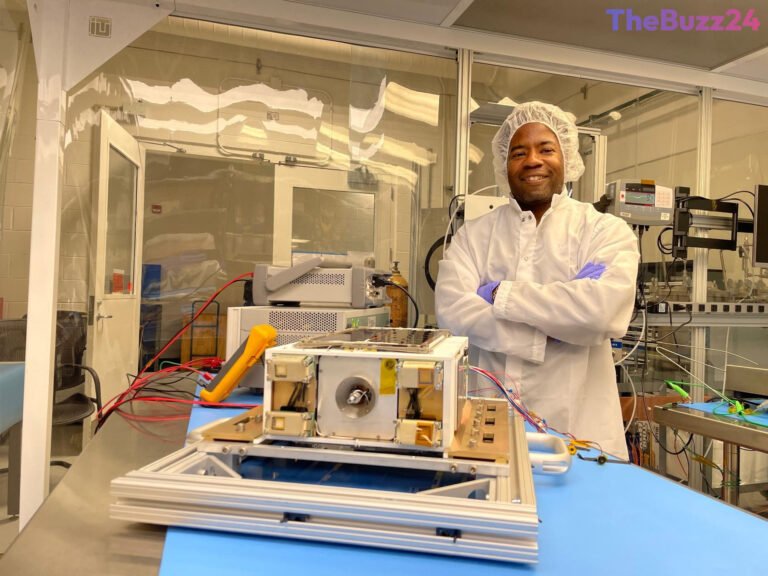
As humanity pushes further into deep space, maintaining the physical and mental health of astronauts has become a critical engineering challenge. During the Artemis II mission, crew members relied on a specialized, compact exercise device known as the flywheel to combat the debilitating effects of microgravity. Managed by Ryan Schulte at the Johnson Space Center, this innovative hardware allows astronauts to perform a variety of aerobic and resistive workouts without the need for external electrical power.
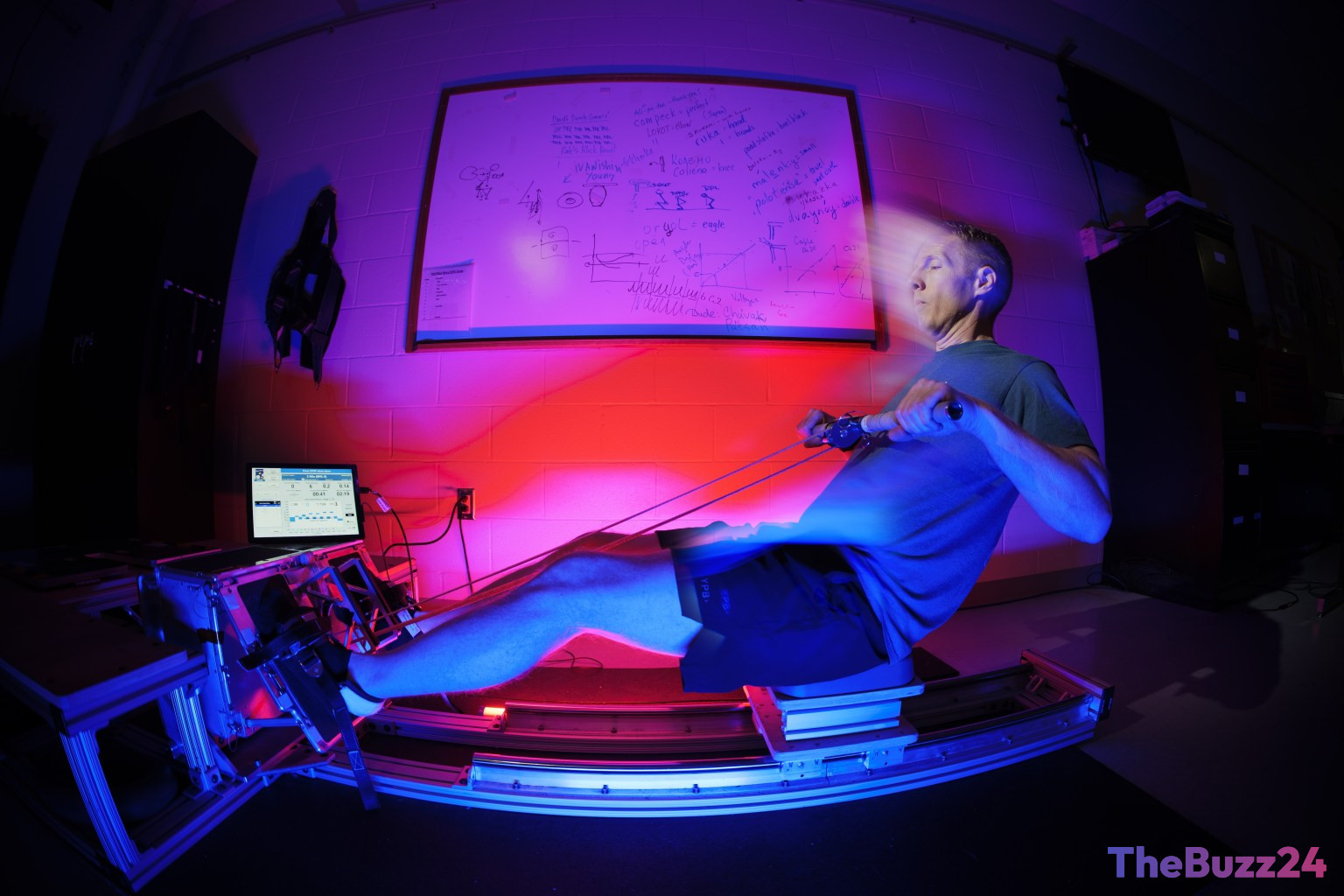
Designed to function like an inertial yo-yo, the flywheel is roughly the size of a large shoebox, making it ideal for the confined environment of the Orion spacecraft. Despite its small footprint, the device can provide up to 500 pounds of resistance, enabling a full suite of exercises including deadlifts, squats, and rowing. Schulte’s team faced significant hurdles during development, specifically regarding space constraints and the need to minimize noise, ensuring that the equipment could be used effectively without disrupting crew communication or movement within the capsule.
Beyond physical conditioning, the flywheel serves as a vital tool for psychological well-being. By promoting blood flow and providing a structured outlet for stress, the device helps astronauts maintain mental clarity during long-duration missions. As NASA looks toward future lunar exploration and beyond, the evolution of these exercise systems remains a cornerstone of mission success, ensuring that crews remain strong enough to perform complex tasks like lunar spacewalks and emergency procedures upon their return to gravity.
Key Takeaways
- The Orion flywheel is a compact, non-electric exercise device capable of providing up to 500 pounds of resistance for deep-space workouts.
- Regular exercise is essential for preventing muscle and bone atrophy caused by the lack of gravity during long-duration space missions.
- The device serves a dual purpose by supporting both physical health and psychological well-being through stress relief and improved circulation.
Editor’s Analysis & Impact
The development of the Orion flywheel represents a significant shift in aerospace engineering, moving from purely mechanical life-support systems to integrated human-performance hardware. As missions extend in duration, the ‘human factor’ becomes the primary variable for success. The ability to provide high-intensity resistance training in a zero-gravity, space-constrained environment is a technological feat that has direct implications for future Mars missions and long-term lunar habitation. From a market perspective, the miniaturization of high-resistance, low-footprint exercise technology has potential spin-off applications in terrestrial rehabilitation, elderly care, and specialized fitness industries. As space agencies continue to privatize and collaborate with commercial partners, the demand for such compact, reliable, and multi-functional health hardware is expected to grow, positioning human-centric engineering as a critical sector within the broader space economy.
Frequently Asked Questions
Q: How does the flywheel provide resistance without electricity?
A: The flywheel operates on inertial resistance. It functions similarly to an 'inertial yo-yo,' where the resistance is generated by the user's own effort and the kinetic energy stored in the spinning wheel, allowing for variable resistance based on the intensity of the workout.
Q: Why is exercise so important for astronauts in space?
A: In microgravity, the lack of weight-bearing activity causes muscles and bones to weaken rapidly. Exercise is necessary to prevent atrophy, maintain cardiovascular health, and ensure astronauts are physically capable of performing demanding tasks like spacewalks or emergency egress upon landing.
AI Disclosure: This article is based on verified data and official reports. Our Team and AI have cross-referenced every financial detail with primary sources to ensure total accuracy.
More from this Category