Indian Crew Rescued After US Missile Strikes Sanctioned Oil Tanker Off Oman
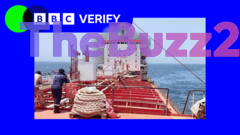
The Indian crew of a sanctioned oil tanker issued a desperate plea for help after their vessel was struck by a U.S. missile off the coast of Oman, leading to a fire and the ship beginning to sink. The distress call, shared with media outlets, detailed the harrowing experience of the 24 crew members aboard the Marivex.
U.S. Central Command (Centcom) confirmed that an F-18 Super Hornet fighter jet, launched from the aircraft carrier USS Abraham Lincoln, fired a “precision munition” into the ship’s engineering and steering sections. Centcom stated the vessel had violated an ongoing blockade of Iranian ports and failed to comply with U.S. instructions. This incident marks the seventh vessel disabled by the U.S. for allegedly breaching the blockade, which has been in place as Iran has restricted passage through the Strait of Hormuz, a critical global oil and gas transit route.
Following the strike, the Marivex, which was reportedly unladen at the time, caught fire and began taking on water. Crew members transmitted urgent distress calls, describing the attack and the dire situation. “US Navy attack, the missile on our engine room. We have hole at the bottom… Please help quickly, we need immediate help,” one crew member was heard saying in a recording shared by the Forward Seamen’s Union of India (FSUI). The All India Seafarers Union also confirmed receiving similar communications.
Fortunately, all 24 Indian nationals aboard were successfully rescued by the Omani military. Flight tracking data indicated a Royal Air Force of Oman helicopter was dispatched to the scene shortly after the distress calls were received. The Marivex, previously known as Arihant, had been previously sanctioned by the U.S. for alleged ties to Iran, including accusations of transporting significant quantities of Iranian fuel oil and bitumen.
Key Takeaways
- A U.S. missile struck the Indian-crewed oil tanker Marivex off Oman, causing a fire and sinking.
- The U.S. military stated the vessel violated a blockade against Iran and failed to heed instructions.
- All 24 Indian crew members were rescued by the Omani military following the incident.
Editor’s Analysis & Impact
This incident highlights the escalating tensions and risks in maritime trade routes, particularly those involving sanctioned vessels and geopolitical disputes. The U.S. military’s direct action against a commercial ship, even one allegedly violating sanctions, raises significant questions about collateral damage, international maritime law, and the potential for miscalculation. The successful rescue of the crew is a positive outcome, but the event underscores the precariousness of navigating waters with active blockades and military operations. The broader implications could include increased insurance costs for shipping in the region, heightened scrutiny of vessel movements, and potential diplomatic fallout between India, the U.S., and Iran.
Frequently Asked Questions
Q: Why was the Marivex tanker targeted by the U.S. military?
A: According to U.S. Central Command, the Marivex was targeted because it allegedly violated an ongoing blockade against Iran by attempting to sail to an Iranian port and failed to comply with U.S. instructions.
Q: What happened to the crew of the Marivex?
A: All 24 Indian crew members aboard the Marivex were rescued by the Omani military after the ship was hit by a missile and began to sink.
Q: What is the significance of the Marivex being a sanctioned ship?
A: The Marivex, previously known as Arihant, was sanctioned by the U.S. for alleged links to Iran, including accusations of transporting Iranian fuel oil and bitumen. Sanctioned vessels are often subject to restrictions and increased scrutiny by nations enforcing those sanctions.
AI Disclosure: This article is based on verified data and official reports. Our Team and AI have cross-referenced every financial detail with primary sources to ensure total accuracy.
More from this Category