India’s E-commerce Giants Clash: Flipkart and Amazon Vie for Quick Commerce Dominance
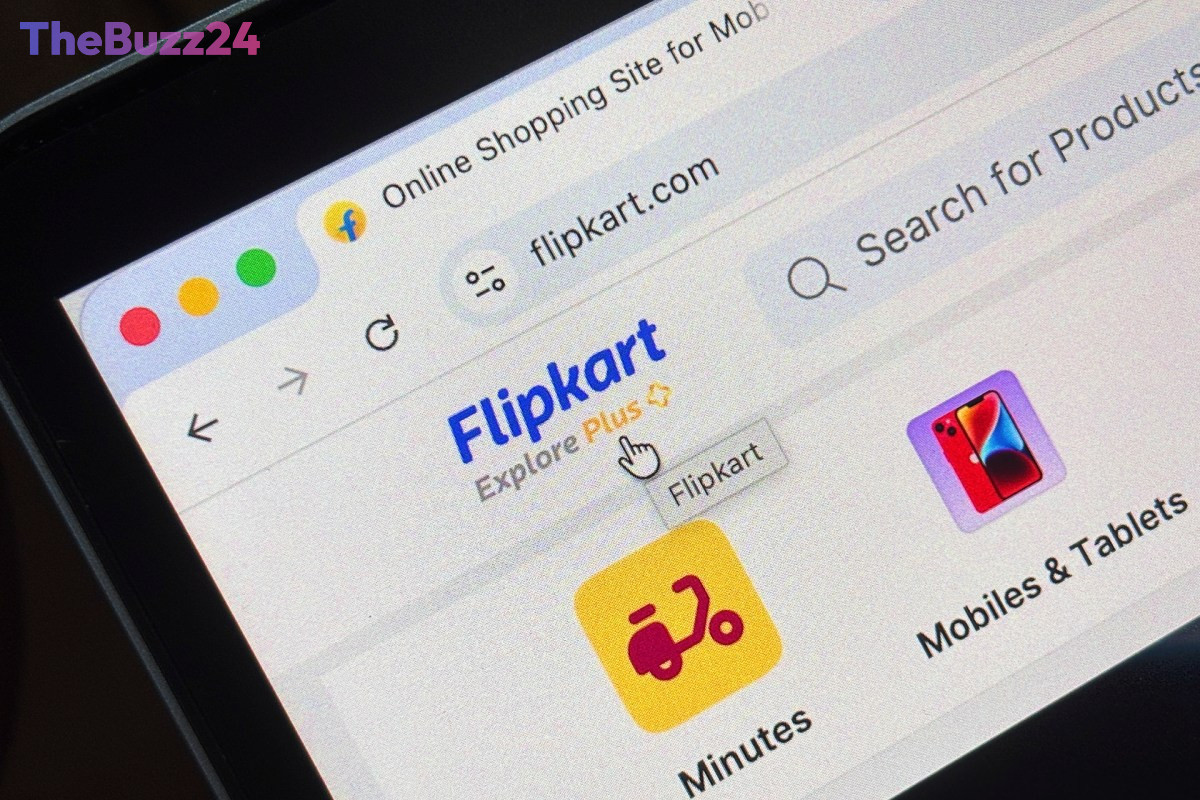
The race for rapid delivery in India’s burgeoning e-commerce market is intensifying, with Walmart-backed Flipkart significantly expanding its quick-commerce service, Flipkart Minutes. The company announced it has established a network of 1,000 micro-fulfillment centers (MFCs) in less than two years, a strategic move designed to facilitate deliveries within minutes. This expansion positions Flipkart to potentially become the second-largest quick-commerce network in India by MFC count, trailing only Blinkit, as it aims to reach 1,500 MFCs by the end of 2026.
This aggressive build-out occurs as Amazon also ramps up its presence in the South Asian nation’s fast-delivery sector. Amazon is accelerating the rollout of its Amazon Now service, which currently operates over 500 MFCs across more than 15 cities. The tech giant has ambitious plans to extend this service to 100 cities, boasting over 1,000 MFCs, and broadening its product selection beyond groceries to include apparel, electronics, and home goods.
The quick-commerce landscape in India is characterized by intense competition, with players like Blinkit, Zepto, and Swiggy Instamart also investing heavily in infrastructure and customer acquisition. Flipkart Minutes, launched in August 2024, has seen a significant shift in consumer behavior, with demand increasingly coming from categories like electronics, beauty, and personal care, moving beyond its initial focus on groceries. Flipkart reports a 400% surge in orders and a 20% increase in customer retention year-over-year, indicating a fundamental change in Indian shopping habits.
Flipkart’s expansion is not limited to major metropolitan areas; the service has reached over 130 cities and 8,000 postal codes, with substantial growth observed in smaller cities. This trend mirrors Amazon’s strategy, which notes that a significant portion of its new Prime members originate from these smaller markets. Both companies are betting on quick commerce evolving from a niche grocery delivery service into a comprehensive shopping platform, a transformation that industry analysts predict will lead to a substantial increase in dark stores across India by 2030.
Key Takeaways
- Flipkart has rapidly expanded its quick-commerce network to 1,000 micro-fulfillment centers in India, with plans to reach 1,500 by 2026.
- Amazon is also aggressively expanding its fast-delivery service, Amazon Now, aiming for over 1,000 MFCs in 100 cities.
- The quick-commerce market in India is seeing a shift beyond groceries, with increasing demand for electronics, beauty, and personal care products, indicating a broader evolution of online shopping habits.
Editor’s Analysis & Impact
The escalating competition between Flipkart and Amazon in India’s quick-commerce sector highlights a critical inflection point for the nation’s e-commerce industry. Both giants are investing heavily in expanding their network of micro-fulfillment centers, signaling a strategic pivot towards ultra-fast delivery as a primary competitive differentiator. This race is not just about speed but also about broadening product categories, transforming quick commerce from a grocery-focused service into a comprehensive retail solution. The expansion into smaller cities is particularly noteworthy, tapping into a vast, underserved market and potentially reshaping consumer behavior nationwide. The sustained investment and aggressive expansion suggest a long-term commitment to this segment, promising significant disruption and innovation in the years ahead.
Frequently Asked Questions
Q: What is quick commerce?
A: Quick commerce refers to an e-commerce model focused on delivering goods, typically groceries, convenience items, and increasingly other products, to customers within a very short timeframe, often as little as 10-30 minutes.
Q: What are micro-fulfillment centers (MFCs)?
A: Micro-fulfillment centers are small, strategically located warehouses, often in urban areas, designed to optimize inventory and enable rapid delivery of goods to nearby customers. They are crucial infrastructure for quick-commerce operations.
Q: Why is India a key market for quick commerce?
A: India is a key market due to its large and rapidly growing internet user base, increasing smartphone penetration, a young demographic eager for convenience, and a developing infrastructure that companies are actively building out to meet demand for fast delivery services.
AI Disclosure: This article is based on verified data and official reports. Our Team and AI have cross-referenced every financial detail with primary sources to ensure total accuracy.
More from this Category