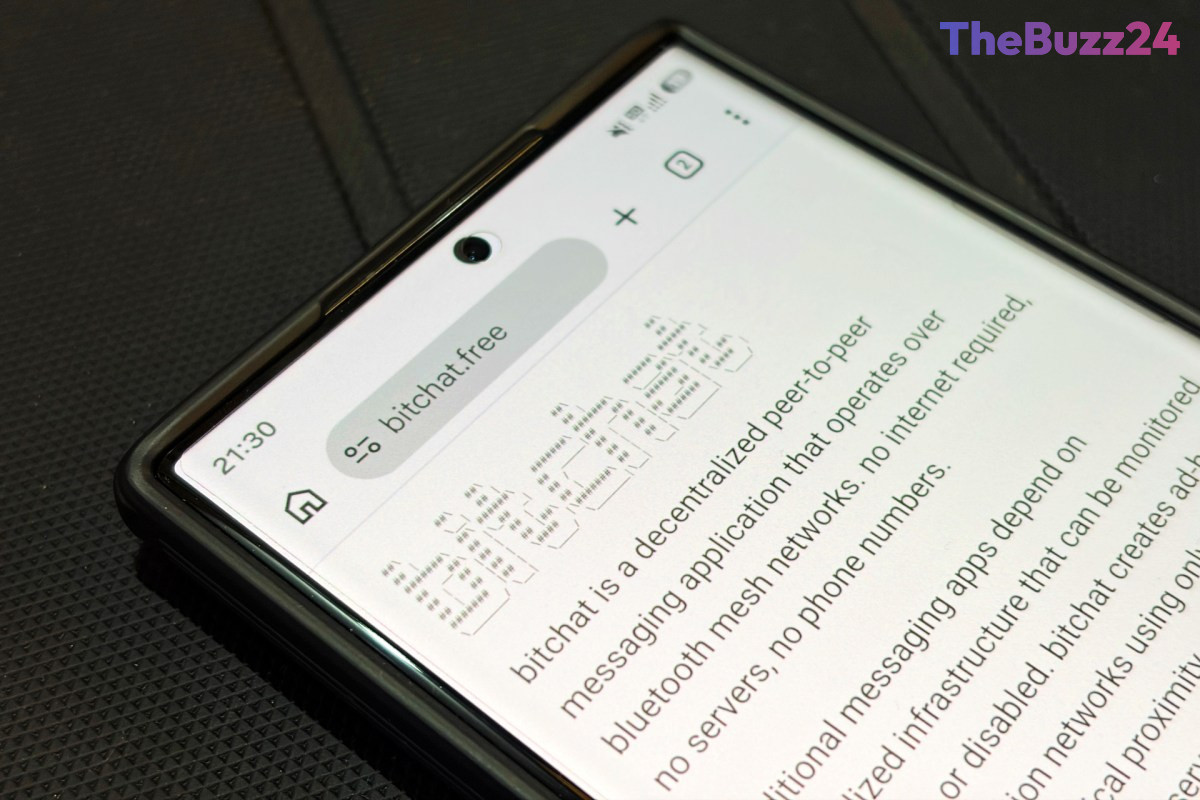
India’s Push Against Jack Dorsey’s Offline App Bitchat Ignites Legal Debate Over Open-Source Code
A crackdown by Indian authorities targeting open-source software has sparked intense legal and digital rights debates after the government directed GitHub to restrict repositories associated with Jack Dorsey’s offline messaging application, Bitchat. The directive, issued by the Indian Cybercrime Coordination Centre under the Ministry of Home Affairs, urged the code-hosting platform to block access to three specific repositories within hours. Government officials argued that the application’s decentralized, Bluetooth-enabled architecture bypasses network restrictions, making lawful interception and user traceability extremely difficult during civil unrest.
The regulatory pressure coincides with intense student-led demonstrations in New Delhi regarding alleged civil service exam leaks. In response to the escalating protests, local authorities imposed physical movement restrictions and localized internet suspensions. To bypass these connectivity blackouts, thousands of demonstrators turned to peer-to-peer mesh messaging platforms like Bitchat and Briar. Data indicates a massive surge in local adoption, with India accounting for roughly 85 percent of Bitchat’s global downloads over a recent five-day span, driving daily active users in the country past 330,000.
Legal scholars and civil liberties organizations have raised major concerns regarding the precedent set by the demand. Rather than identifying specific instances of illegal content or criminal activity, the order targets the foundational source code of the application itself because of how the technology operates. Digital rights groups argue that the move expands traditional legal boundaries governing online content removal, representing an unprecedented effort to suppress open-source development simply because software enables private, serverless communication.
Experts also emphasize that taking down source code repositories fails to resolve the issue from a technical standpoint. Removing the code from GitHub does not erase existing installations from mobile devices, nor does it prevent local mesh networks from functioning autonomously without central servers. Critics warn that blocking repository access primarily prevents security researchers from inspecting code for vulnerabilities while escalating state control into a total communication blackout during public demonstrations.
Key Takeaways
- India's Home Ministry issued a directive seeking to restrict GitHub repositories for Jack Dorsey's offline messaging app, Bitchat.
- The government argued that the app's decentralized Bluetooth mesh design impedes lawful interception and circumvents internet shutdowns.
- Legal experts and digital rights advocates warn that targeting open-source code sets a dangerous precedent and fails to disable already installed applications.
Editor’s Analysis & Impact
The effort by Indian authorities to restrict Bitchat’s GitHub repositories highlights a growing friction point between government surveillance mechanisms and decentralized consumer software. By targeting source code rather than specific illicit transmissions, officials are attempting to curb the deployment of serverless architecture that functions independently of traditional telecom infrastructure. However, this strategy carries severe technical limitations. Blocking hosting repositories does not remove pre-installed software from end-user devices or disrupt local Bluetooth mesh connections. Instead, it runs the risk of undermining software transparency and open-source collaboration. As civil protests increasingly rely on resilient, privacy-focused technologies, governments worldwide will likely struggle to enforce conventional internet censorship against peer-to-peer protocols without resorting to draconian legal measures.
Frequently Asked Questions
Q: How does the Bitchat messaging app work during internet shutdowns?
A: Bitchat relies on peer-to-peer Bluetooth mesh networking rather than centralized servers or cellular networks, allowing nearby mobile devices to route messages directly to one another even when internet access is disabled.
Q: Why did the Indian government attempt to block Bitchat's source code?
A: Authorities claimed the app's anonymous and decentralized architecture facilitates unmonitored communication during public protests, hindering lawful interception and user identification.
Q: Does removing code repositories from GitHub delete the app from users' phones?
A: No, removing source code from platform hosts like GitHub prevents future development and code inspection, but it does not delete existing installations or disable active local mesh networks on users' devices.
AI Disclosure: This article is based on verified data and official reports. Our Team and AI have cross-referenced every financial detail with primary sources to ensure total accuracy.
More from this Category