Indonesian Volcano Anak Krakatau Triggers Major Ash Plumes and Flight Disruptions
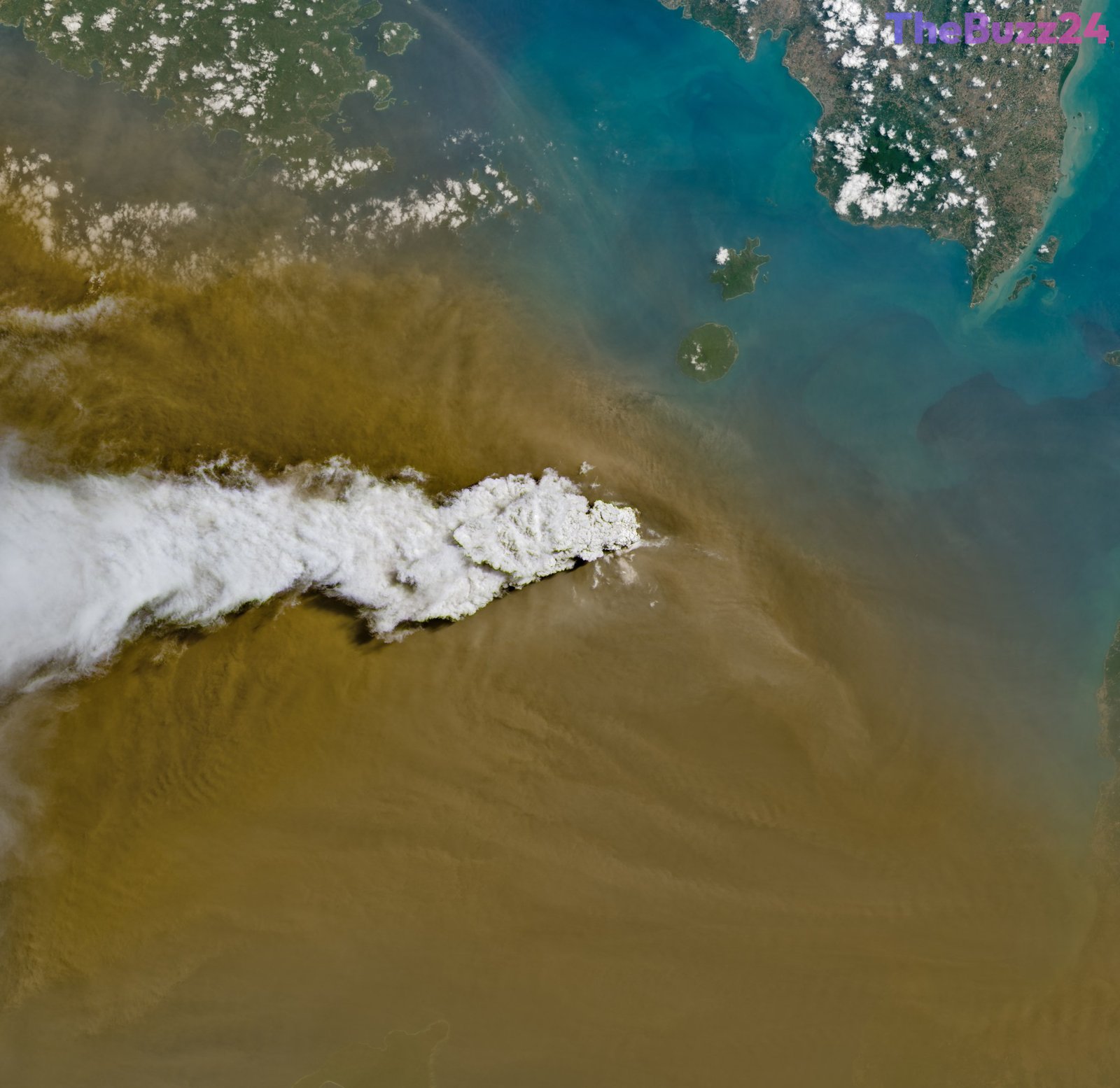
The notorious volcanic island Anak Krakatau, situated in the Sunda Strait between the heavily populated islands of Java and Sumatra, has once again made headlines following a powerful multi-day eruption. Satellite imagery captured the volcano spewing thick plumes of ash and volcanic gases high into the upper atmosphere, marking a significant escalation in its ongoing geological activity.
While minor rumblings and ash emissions are common occurrences for Anak Krakatau, the early September event proved to be considerably more hazardous. The sustained eruption, which persisted for over 24 hours, generated heavy ash clouds that drifted across regional air corridors. Consequently, aviation authorities faced widespread flight disruptions, forcing airlines to reroute thousands of commercial paths to ensure passenger safety.
Beyond the immediate aviation challenges, the heavy atmospheric debris significantly impacted local environmental conditions. Air quality sharply deteriorated across multiple regions, most notably affecting the densely populated capital city of Jakarta, where residents were urged to take precautionary measures against the falling particulate matter. Environmental and disaster management agencies continue to monitor the volcano closely for potential secondary hazards.
Key Takeaways
- Anak Krakatau experienced a powerful eruption lasting over 24 hours in early September.
- The resulting ash plumes disrupted thousands of flights across major Indonesian air routes.
- Air quality severely degraded in surrounding regions, including the capital city of Jakarta.
Editor’s Analysis & Impact
The recent eruption of Anak Krakatau underscores the persistent vulnerability of Southeast Asian infrastructure to natural disasters, particularly in densely populated corridors like the Sunda Strait. Volcanic activity in this region presents a recurring challenge for commercial aviation, maritime shipping, and public health infrastructure. As global air traffic grows, the economic and logistical fallout from such geological events highlights the critical need for advanced early-warning systems and robust contingency planning among regional airlines and municipal governments. Moving forward, continued satellite monitoring and enhanced atmospheric modeling will be essential in mitigating the operational and health risks posed by future eruptions.
Frequently Asked Questions
Q: Where is Anak Krakatau located?
A: Anak Krakatau is a volcanic island situated in the Sunda Strait, located between the Indonesian islands of Java and Sumatra.
Q: How did the recent eruption impact Jakarta?
A: The eruption sent dense ash and volcanic gases into the atmosphere, which drifted toward populated areas and caused a noticeable degradation in air quality in Jakarta.
AI Disclosure: This article is based on verified data and official reports. Our Team and AI have cross-referenced every financial detail with primary sources to ensure total accuracy.
More from this Category