Institutional Investors Offload Single-Family Homes Following New Legislative Restrictions
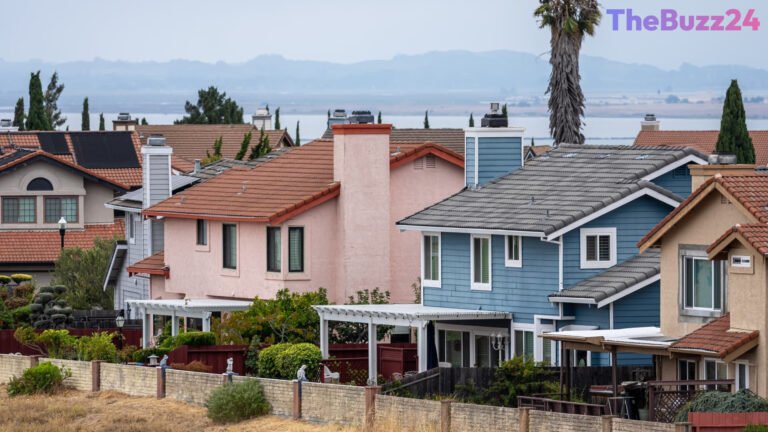
A wave of new housing legislation targeting large-scale investors has triggered a significant shift in the single-family rental market. Institutional landlords, defined as entities owning 350 or more properties, are increasingly listing their assets for sale. Data indicates that the number of homes owned by these investors currently listed on the market has more than doubled since the beginning of February, reaching approximately 9,447 properties with a combined asking price of $3.1 billion.
The legislative crackdown, which received bipartisan support, aims to curb the influence of large private equity firms and institutional buyers that lawmakers argue have inflated home prices and displaced individual owner-occupants. While the new laws do not mandate the sale of existing portfolios, they effectively bar these firms from acquiring additional single-family homes, with limited exceptions for build-to-rent projects and specific renovation initiatives. Consequently, major players such as Invitation Homes, AMH, and VineBrook have transitioned into net sellers, offloading thousands of properties since the start of the year.
Market analysts observe that these divestment strategies are accompanied by aggressive pricing adjustments. A significant portion of institutional listings currently feature price cuts, with markdowns deepening as firms look to cull underperforming assets. This shift is not necessarily a total liquidation, but rather a strategic pivot. Many of these firms are reallocating capital toward the build-to-rent sector, a segment that remains exempt from the new purchase bans and aligns with current regulatory allowances for increasing housing supply.
As the industry adapts to these constraints, the focus has shifted toward development rather than acquisition. Companies are increasingly investing in communities specifically designed for rental purposes, a model that has gained traction as a viable alternative to buying existing housing stock. The coming months will be critical in determining how these institutional portfolios stabilize and whether the increased supply of investor-owned homes will provide meaningful relief to individual homebuyers in competitive markets.
Key Takeaways
- Institutional investors owning over 350 homes have doubled their market listings since February following new legislative purchase bans.
- Major landlords are pivoting their business models toward 'build-to-rent' developments, which remain exempt from the new restrictions.
- Investor-owned properties are seeing higher rates of price cuts compared to the broader market as firms look to offload underperforming assets.
Editor’s Analysis & Impact
The institutional retreat from the single-family rental market marks a significant turning point in U.S. housing policy. By effectively capping the growth of large-scale rental portfolios, lawmakers are attempting to rebalance the market in favor of individual homeowners. However, the industry’s pivot to ‘build-to-rent’ suggests that private capital will remain a dominant force in the housing sector, albeit through development rather than acquisition. The broader implication is a potential cooling of price inflation in specific markets where institutional buying was most aggressive. While this may provide short-term opportunities for retail buyers, the long-term impact on rental supply and affordability remains uncertain. If institutional capital successfully scales the build-to-rent model, it could mitigate the loss of rental inventory, but the transition period will likely involve continued volatility in property values and portfolio restructuring.
Frequently Asked Questions
Q: What defines an 'institutional investor' under the new housing legislation?
A: The new legislation defines institutional investors as any entity that owns 350 or more single-family homes.
Q: Are institutional investors being forced to sell their existing homes?
A: No, the legislation does not force the sale of currently owned homes; however, it prohibits these investors from purchasing additional single-family homes unless they meet specific exceptions, such as build-to-rent projects.
AI Disclosure: This article is based on verified data and official reports. Our Team and AI have cross-referenced every financial detail with primary sources to ensure total accuracy.
More from this Category