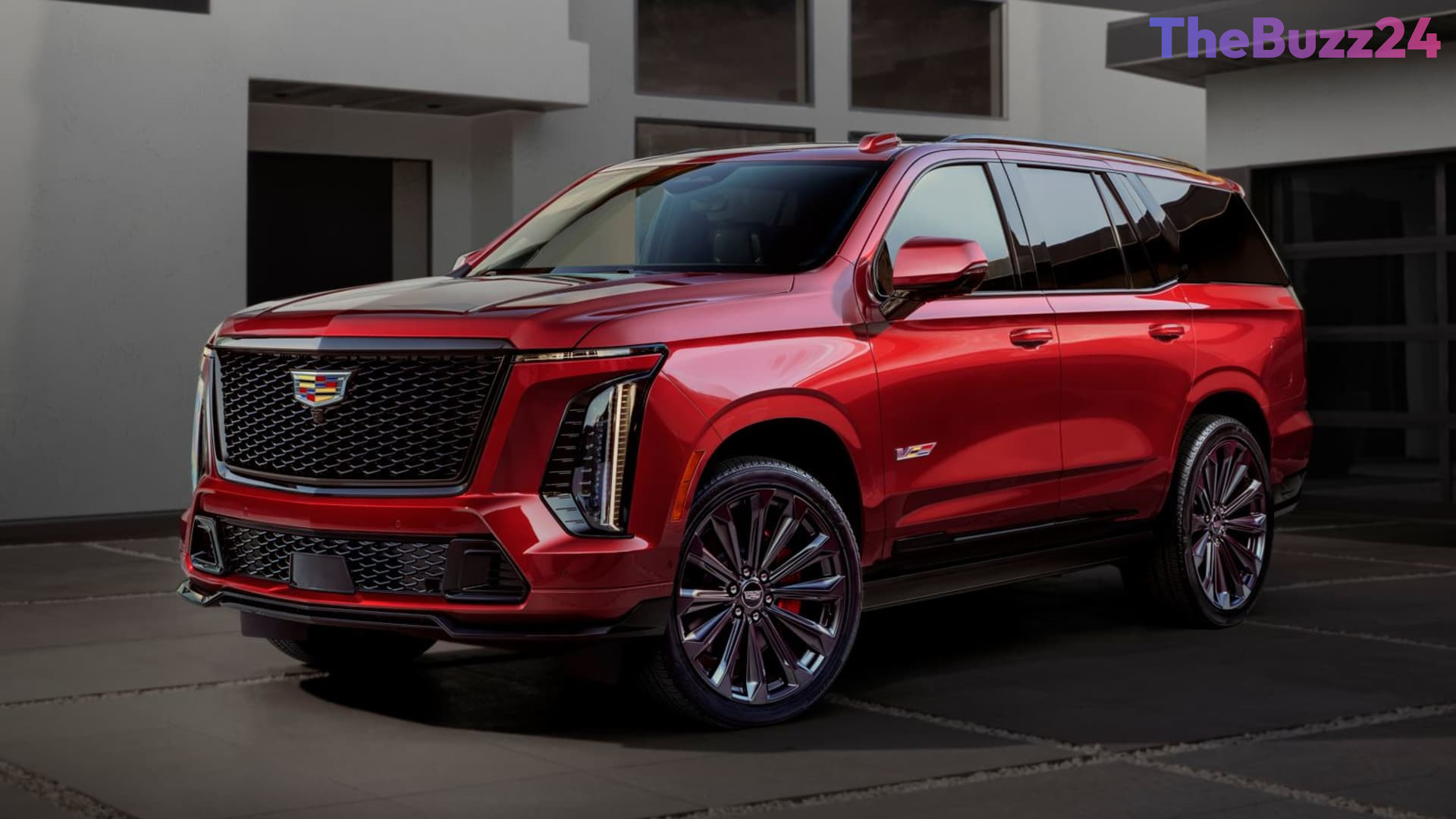
General Motors Pivots Cadillac Strategy with New Internal Combustion Engine Models
General Motors is recalibrating its long-term product roadmap by introducing a new generation of gas-powered Cadillac vehicles. CEO Mary Barra confirmed that the company plans to roll out updated versions of the CT5 sedan, the XT5 midsize SUV, and the previously discontinued three-row XT6 SUV. These internal combustion engine (ICE) models are scheduled to begin arriving in showrooms next spring, with the rollout continuing through 2028.
This strategic shift marks a notable departure from the automaker’s previous commitment to transition the Cadillac brand to an exclusively electric vehicle lineup by the end of the decade. While the company will continue to support its existing electric crossovers and the Escalade SUV, the reintroduction of gas-powered models reflects a broader adjustment in GM’s manufacturing priorities. The company is also expanding production of its full-size SUVs, such as the Chevrolet Tahoe and GMC Yukon, to a Michigan facility that was originally designated for electric vehicle manufacturing.
The decision to lean back into traditional engine technology follows a period of significant financial and market headwinds. GM has reported $10.9 billion in EV-related charges since the latter half of last year, citing a slower-than-anticipated consumer adoption rate for electric vehicles. Furthermore, evolving U.S. regulatory frameworks regarding emissions standards have prompted the company to diversify its powertrain offerings to better align with current market demand and manufacturing capabilities.
Key Takeaways
- General Motors is launching new gas-powered Cadillac models, including the CT5, XT5, and XT6, starting next spring.
- The move signals a retreat from the company's previous goal of making Cadillac an all-electric brand by 2030.
- GM has faced $10.9 billion in EV-related charges due to sluggish market adoption and changing regulatory environments.
Editor’s Analysis & Impact
General Motors’ decision to reintroduce internal combustion engine vehicles for its luxury brand highlights a critical inflection point in the automotive industry. The aggressive push toward electrification, which dominated industry discourse over the last few years, is now being tempered by the harsh realities of consumer demand, infrastructure limitations, and shifting political landscapes. By diversifying its portfolio, GM is attempting to hedge against the volatility of the EV market while maintaining profitability through its high-margin traditional SUVs. This move suggests that the transition to electric mobility will be more incremental than originally projected. Looking ahead, the company’s ability to balance its legacy manufacturing strengths with its long-term EV investments will be the primary determinant of its market competitiveness. Investors will likely view this as a pragmatic, if reactive, step toward stabilizing earnings in a fluctuating economic climate.
Frequently Asked Questions
Q: Why is General Motors bringing back gas-powered Cadillac models?
A: GM is reintroducing gas-powered models to meet consumer demand and adapt to slower-than-expected EV adoption rates, as well as to navigate changing U.S. regulatory standards.
Q: Does this mean GM is abandoning its electric vehicle goals?
A: Not entirely. While the company is scaling back its previous goal of an all-electric Cadillac lineup by 2030, it continues to produce and support its existing electric crossovers and the Escalade SUV.
AI Disclosure: This article is based on verified data and official reports. Our Team and AI have cross-referenced every financial detail with primary sources to ensure total accuracy.
More from this Category