Yemen Conflict Escalates: Houthis Seize Strategic Red Sea Port of Mokha
Yemen’s Houthi forces have reportedly captured the vital Red Sea port city of Mokha from Saudi-backed pro-government troops, marking a significant escalation in the ongoing conflict. This strategic gain positions the Iran-backed group approximately 75 kilometers (46 miles) from the Bab al-Mandab Strait, a crucial maritime chokepoint that serves as the southern gateway for a major trade route connecting Asia and Europe.
While the Houthis have asserted that they pose no threat to international shipping, they have reiterated their intention to target vessels associated with Saudi Arabia. This development is particularly impactful as Saudi Arabia has increasingly relied on the Red Sea for its oil exports, especially since the effective closure of the Strait of Hormuz due to regional tensions. The intensified conflict between the Houthis, the Yemeni government, and Saudi Arabia has already contributed to a notable surge in global oil prices, reflecting concerns over potential disruptions to energy supplies.
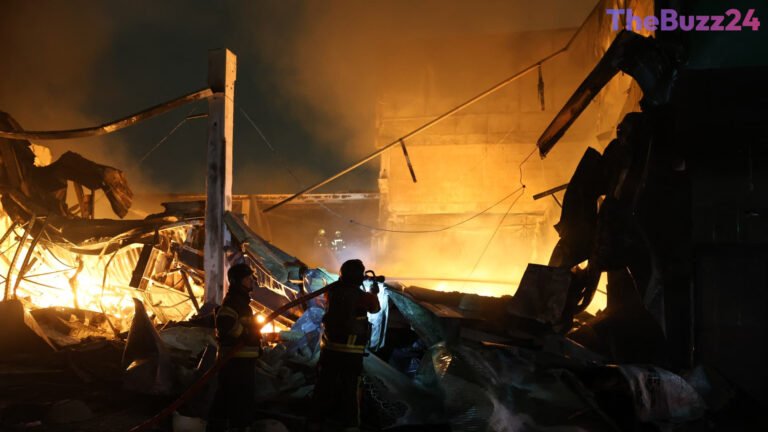
The recent offensive, launched by the Houthis in the southwest a week prior, has resulted in hundreds of fatalities and the displacement of thousands of civilians. In response, a Saudi-led coalition has conducted airstrikes on Houthi-controlled territories in western Yemen to support pro-government forces. Concurrently, Houthi fighters have launched missiles and drones targeting cities and oil facilities in southern Saudi Arabia. Residents of Mokha described fierce clashes preceding the Houthi takeover, forcing many families to flee their homes in panic, with reports of injured individuals left unattended in the streets.
Displaced families are largely heading east towards Aden, where Yemen’s internationally recognized Presidential Leadership Council and government are based. Although no immediate official confirmation of Mokha’s capture came directly from the Houthis, statements from their Supreme Political Council alluded to the cessation of clashes in western coastal districts following the expulsion of Saudi-backed forces. The leader of the pro-government National Resistance Forces, Tarek Salah, confirmed relocating his command center, attributing heavy losses to an Iranian-supported Houthi offensive. Furthermore, Houthi fighters are also reported to have seized Zuqar Island in the Red Sea, following a combined rocket barrage and ground assault.
Key Takeaways
- Houthi forces have seized the strategic Red Sea port of Mokha, bringing them closer to the critical Bab al-Mandab Strait.
- The escalation of the conflict, including Houthi threats to Saudi shipping and attacks on oil facilities, has contributed to a surge in global oil prices.
- The recent offensive has led to significant civilian displacement and intensified military actions from both Houthi and Saudi-led coalition forces.
Editor’s Analysis & Impact
The capture of Mokha by Houthi forces represents a critical shift in the Yemeni conflict, with immediate implications for regional stability and global trade. The proximity of Houthi control to the Bab al-Mandab Strait introduces heightened risks for maritime navigation, potentially impacting global supply chains and increasing shipping insurance costs. For the energy market, this escalation is likely to sustain volatility in oil prices, especially given Saudi Arabia’s reliance on Red Sea export routes. The broader implications point to a deepening of the proxy conflict between Iran and Saudi Arabia, with a worsening humanitarian crisis in Yemen. International efforts for de-escalation and peace will face renewed challenges as military actions intensify, underscoring the urgent need for diplomatic intervention to prevent further regional destabilization.
Frequently Asked Questions
Q: Why is the port of Mokha strategically important?
A: Mokha is a Red Sea port city whose capture brings Houthi forces significantly closer to the Bab al-Mandab Strait. This strait is a critical choke point for global maritime trade, linking the Suez Canal and the Mediterranean Sea with the Indian Ocean, making it vital for international shipping and energy transit.
Q: How has this escalation impacted global oil prices?
A: The intensified conflict, particularly Houthi threats to Saudi shipping and attacks on oil facilities, has fueled concerns over potential disruptions to oil supplies. This uncertainty has contributed to a notable surge in global oil prices, reflecting market anxieties about energy security.
Q: What is the humanitarian situation in the areas affected by the recent fighting?
A: The recent Houthi offensive has led to a severe humanitarian crisis, with hundreds of casualties and thousands of civilians displaced from their homes. Many are fleeing amid fierce clashes and seeking refuge in safer cities like Aden, often without essential supplies or support.
AI Disclosure: This article is based on verified data and official reports. Our Team and AI have cross-referenced every financial detail with primary sources to ensure total accuracy.
More from this Category