Intel Stock Soars on Reports of Major U.S. Chip Design Deal with Apple
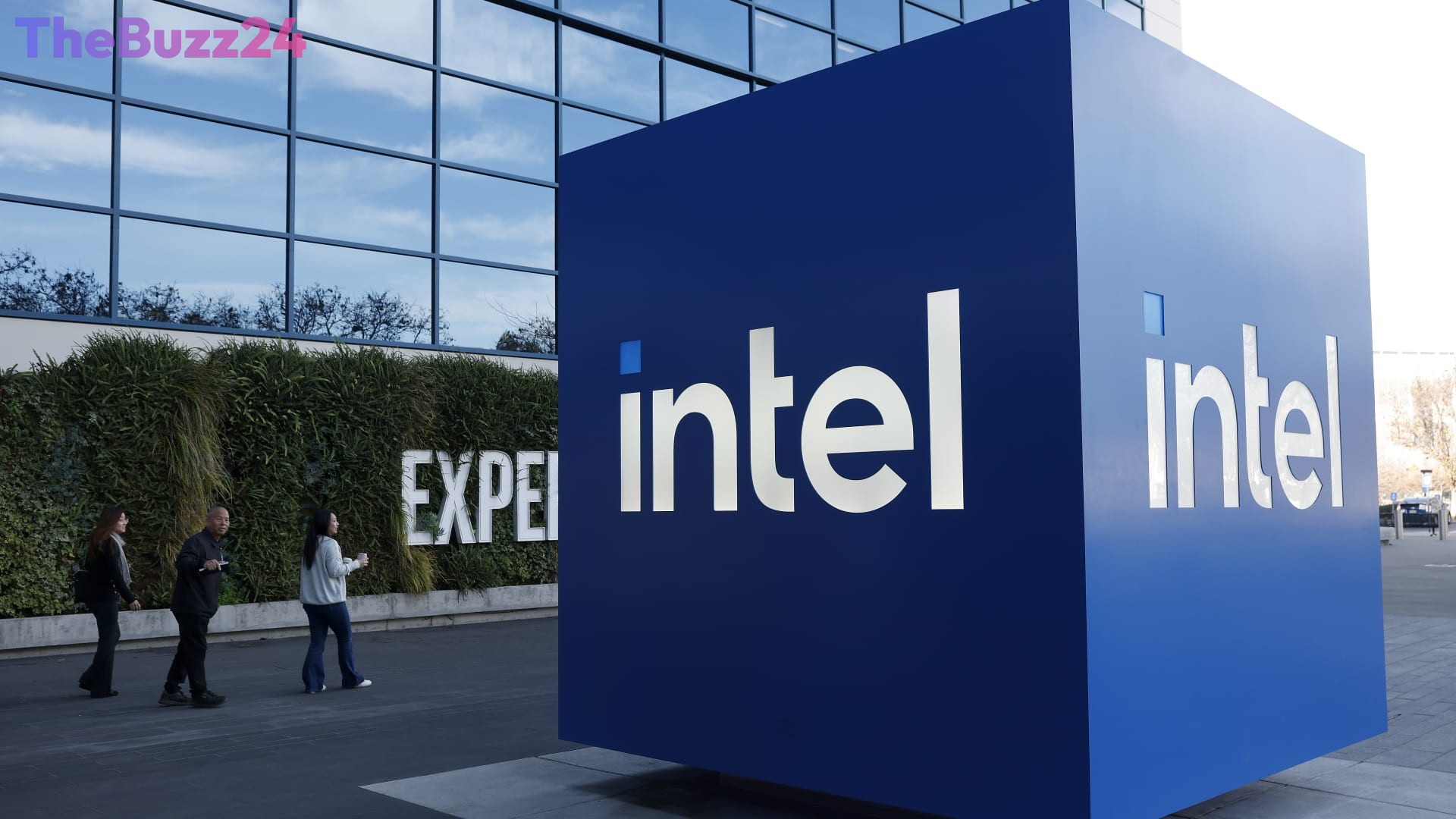
Intel’s stock experienced a significant surge in premarket trading on Thursday, climbing approximately 9%, following a statement from former President Donald Trump. Trump announced via his social media platform, Truth Social, that the semiconductor giant has reportedly entered into an agreement with Apple to design and manufacture chips within the United States.
This development comes at a crucial time for Intel, which has been working to regain its footing in the competitive semiconductor market after facing years of challenges and losing its previous dominance. The company’s stock has shown considerable strength recently, reflecting renewed investor confidence. Trump’s statement suggested that Apple’s decision to collaborate with Intel on chip production in the U.S. is a strategic move to bolster domestic manufacturing capabilities.
Trump further elaborated on his role in facilitating these partnerships, mentioning that he had previously helped secure a deal with Nvidia for chip production and indicated that Elon Musk’s ventures would also be involved in building a large-scale chip factory in the U.S. in collaboration with Intel. This proposed “Terafab” project represents a significant commitment to Intel’s foundry business, which historically focused on producing chips for its own products rather than for external clients.
The broader semiconductor industry, particularly companies involved in artificial intelligence infrastructure, has remained resilient despite global economic uncertainties and supply chain disruptions. The PHLX Semiconductor Sector Index, which tracks major U.S.-traded chip companies, has seen substantial gains this year, underscoring the ongoing boom in AI-related technologies.
Key Takeaways
- Intel's stock jumped 9% following reports of a potential U.S. chip design and manufacturing deal with Apple.
- The agreement, as stated by former President Donald Trump, aims to bring chip production back to the United States.
- This move is part of a broader effort to strengthen domestic semiconductor manufacturing, potentially involving other major tech players like Nvidia and Elon Musk's ventures.
Editor’s Analysis & Impact
This reported partnership between Intel and Apple, if finalized, could mark a significant turning point for Intel’s foundry business and bolster U.S. semiconductor manufacturing ambitions. The involvement of high-profile figures like Donald Trump highlights the political and economic significance attached to domestic chip production. For Apple, it could mean greater control over its supply chain and potentially more resilient production, though the specifics of cost and execution remain critical. The news also energizes the broader semiconductor sector, which is already experiencing a boom driven by AI, suggesting a continued strong outlook for companies investing in advanced manufacturing and technology.
Frequently Asked Questions
Q: What is Intel's foundry business?
A: Intel's foundry business, also known as Intel Foundry Services (IFS), is a division that offers chip manufacturing services to external companies. Historically, Intel primarily manufactured chips for its own products, but it has been expanding its foundry operations to compete with other major chip manufacturers like TSMC and Samsung.
Q: Why is U.S. domestic chip production important?
A: Domestic chip production is considered crucial for national security and economic competitiveness. Reducing reliance on foreign manufacturing, particularly from regions with geopolitical tensions, can help ensure a stable supply of essential technology components and foster innovation within the country.
Q: How has Intel performed recently?
A: Intel has faced significant challenges in recent years, including manufacturing delays and loss of market share. However, the company has been implementing a turnaround strategy under its current CEO, aiming to regain its technological leadership and expand its foundry services. Recent stock performance has shown signs of recovery, boosted by strategic investments and potential new partnerships.
AI Disclosure: This article is based on verified data and official reports. Our Team and AI have cross-referenced every financial detail with primary sources to ensure total accuracy.
More from this Category