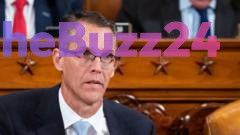
Iowa Primary Upset: Trump-Endorsed Candidate Defeated in Gubernatorial Race
In a significant political development in Iowa, Congressman Randy Feenstra has conceded the Republican gubernatorial primary, marking a rare setback for a candidate backed by Donald Trump. Despite receiving a late-stage endorsement from the former president, Feenstra was unable to overcome the momentum of his opponent, Zach Lahn, a businessman and farmer who successfully campaigned on a populist, ‘America First’ platform.
Lahn’s victory highlights a growing divide within the state’s conservative base. By focusing on issues such as restricting foreign land ownership and criticizing perceived ‘global elites,’ Lahn appealed to grassroots voters who viewed Feenstra as too closely aligned with the Washington establishment. The result is particularly notable given Trump’s recent track record of successful endorsements in other states, suggesting that local concerns may be outweighing national political influence in Iowa.
The outcome has sparked speculation regarding the political climate in Iowa, a state that has trended Republican in recent years but is currently facing economic headwinds. Farmers in the region have been hit hard by trade tariffs and rising costs for fuel and fertilizer, contributing to a decline in the former president’s approval ratings within the state. With Lahn set to face Democratic State Auditor Rob Sand in the November general election, the race is now being viewed as a potential toss-up.
Beyond the gubernatorial contest, the state is also seeing competitive races for other key offices, including the Senate seat being vacated by Joni Ernst. As Democrats look to capitalize on the shifting political landscape, the results in Iowa are increasingly being seen as a bellwether for the broader national mood. The upcoming November elections will determine whether the state remains a reliable Republican stronghold or if the current economic and political dissatisfaction will lead to a shift in power.
Key Takeaways
- Congressman Randy Feenstra lost the Iowa Republican gubernatorial primary despite receiving a late endorsement from Donald Trump.
- Winner Zach Lahn campaigned on a populist platform, focusing on land ownership restrictions and anti-establishment rhetoric.
- Economic pressures, including trade tariffs and rising agricultural costs, have contributed to a more challenging political environment for Republicans in Iowa.
Editor’s Analysis & Impact
The defeat of a Trump-backed candidate in Iowa signals that national endorsements are not a panacea for local political challenges, especially when regional economic issues are at play. The agricultural sector in Iowa has been particularly sensitive to trade policies and inflationary pressures, which appears to have created a disconnect between the national party platform and the immediate concerns of local voters. This result suggests that the ‘MAGA’ brand, while powerful, is subject to the realities of local economic performance. Looking ahead, the Iowa gubernatorial and Senate races will serve as critical indicators of whether the Democratic Party can successfully leverage local discontent to flip seats in traditionally red-leaning states. The shift from a ‘safe’ Republican state to a ‘toss-up’ environment underscores the volatility of the current political landscape.
Frequently Asked Questions
Q: Who won the Republican gubernatorial primary in Iowa?
A: Zach Lahn, a farmer and businessman, won the primary after running on a platform focused on local economic issues and anti-establishment themes.
Q: Why is the Iowa gubernatorial race considered a toss-up?
A: The race is considered a toss-up due to rising economic concerns among Iowa farmers, declining approval ratings for national Republican figures in the state, and a competitive Democratic challenger, Rob Sand.
AI Disclosure: This article is based on verified data and official reports. Our Team and AI have cross-referenced every financial detail with primary sources to ensure total accuracy.
More from this Category