Diplomatic Channels Open as Iran Weighs U.S. De-escalation Proposal
Diplomatic efforts to stabilize the Middle East have entered a new phase as Iran officially submitted its response to a U.S.-backed peace proposal. Delivered through intermediaries in Pakistan, the Iranian counter-proposal prioritizes the immediate cessation of hostilities as a prerequisite for discussing more contentious topics, such as the nation’s nuclear program. While U.S. officials have confirmed that formal dialogue is active, they have also pointed to internal political transitions within Tehran—specifically regarding the leadership status of Mojtaba Khamenei—as a factor that may influence the speed of the negotiations.
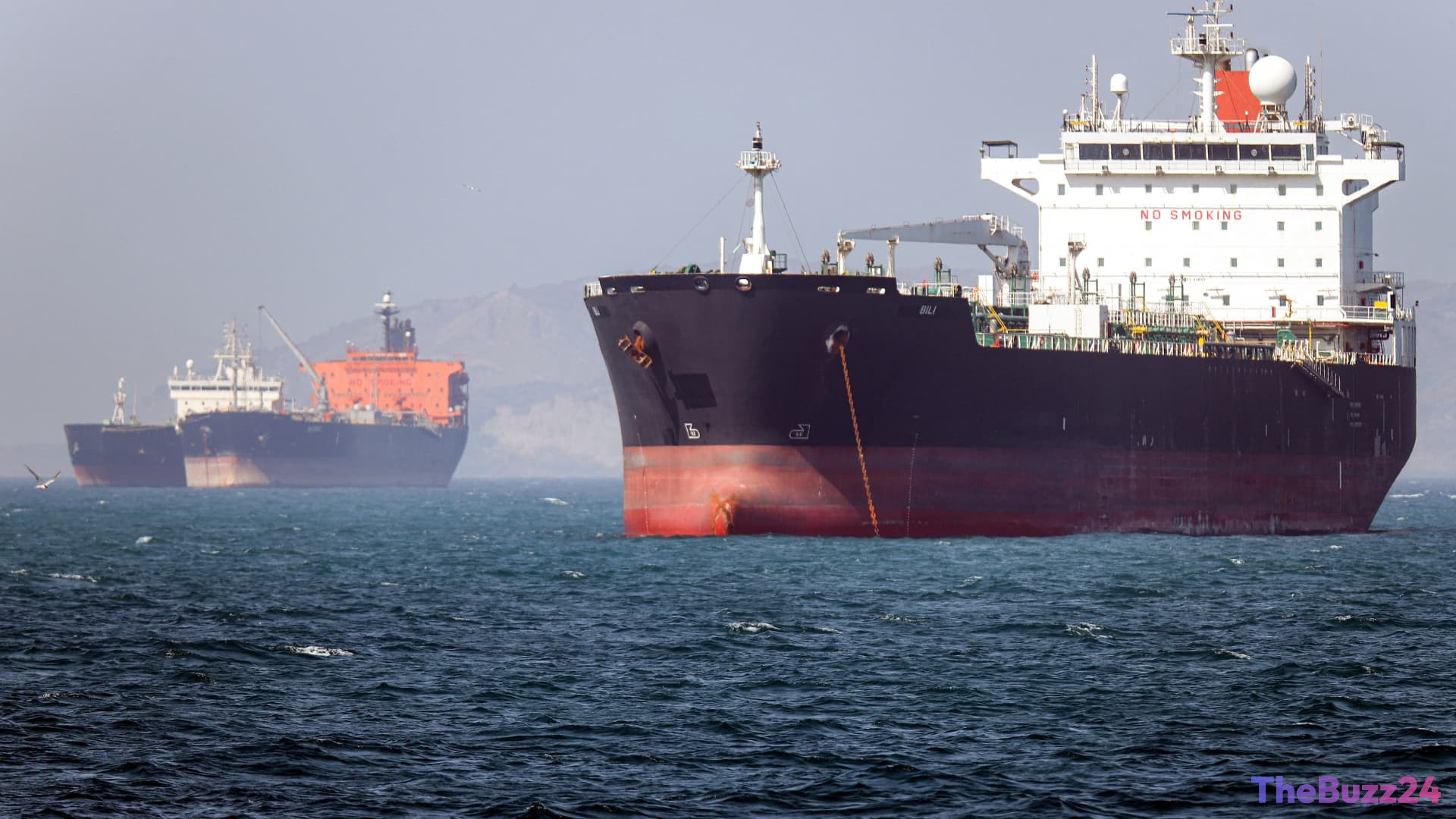
Despite these tentative steps toward peace, the Strait of Hormuz remains a flashpoint of extreme volatility. The recent passage of a Qatari natural gas tanker marked a significant moment for regional energy security, offering a potential lifeline to Pakistan. However, the security environment remains precarious, with reports of unidentified drones infiltrating the airspace of several Gulf nations. These incidents highlight the fragility of the current month-old ceasefire, even as international pressure intensifies for a lasting resolution before upcoming high-level diplomatic summits in China.
Global energy markets remain on edge as the Strait of Hormuz continues to serve as a vital artery for international supply chains. While the U.S. has advocated for a multinational coalition to guarantee freedom of navigation, NATO allies have expressed reluctance to deploy naval assets without a more concrete peace framework in place. Adding to the complexity, Iranian lawmakers are reportedly drafting legislation that could formalize state control over the waterway, potentially granting authorities the power to restrict passage for vessels from nations labeled as hostile. The intersection of economic necessity and military posturing continues to create a highly unpredictable landscape for global stakeholders.
Key Takeaways
- Iran has delivered a formal response to a U.S. peace proposal, prioritizing a ceasefire over nuclear negotiations.
- Internal political shifts in Tehran are reportedly complicating the pace and predictability of ongoing diplomatic talks.
- Tensions in the Strait of Hormuz persist, with potential new Iranian legislation threatening to restrict international vessel passage.
Editor’s Analysis & Impact
The current diplomatic maneuvering represents a critical juncture for global energy security and regional stability. By prioritizing a ceasefire, Iran is attempting to decouple immediate security concerns from long-term geopolitical disputes, a strategy that tests the U.S. administration’s patience and its ability to maintain a unified front with NATO allies. The potential for legislative action to control the Strait of Hormuz introduces a new layer of risk; if enacted, it could force a shift from diplomatic engagement to direct military confrontation. Investors and policymakers should monitor the upcoming diplomatic visits to China, as these meetings will likely signal whether the current ceasefire is a genuine path toward de-escalation or merely a tactical pause in a broader, long-term conflict. The outcome will have profound implications for global oil prices and maritime trade routes.
Frequently Asked Questions
Q: Why is the Strait of Hormuz significant to the current conflict?
A: The Strait of Hormuz is a vital maritime chokepoint for global energy supplies. Any disruption to traffic through this waterway can cause immediate spikes in global oil and gas prices.
Q: What is the primary obstacle to a NATO-led naval presence in the region?
A: NATO allies have been hesitant to commit naval assets to the region because they prefer to wait for a comprehensive, long-term peace agreement rather than engaging in a potentially escalatory military presence.
AI Disclosure: This article is based on verified data and official reports. Our Team and AI have cross-referenced every financial detail with primary sources to ensure total accuracy.
More from this Category