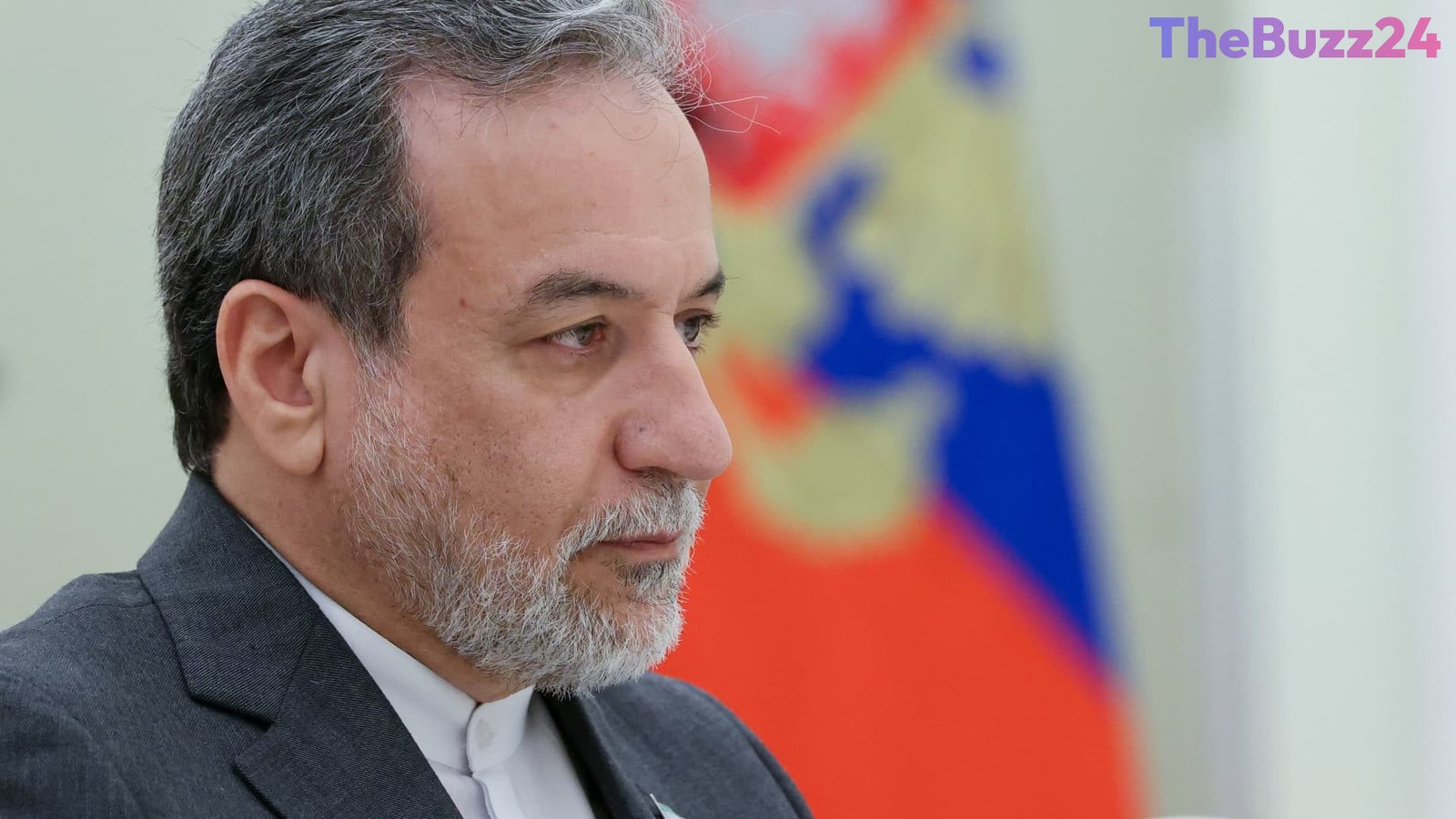
Iranian Foreign Minister Sets China Talks as Pentagon Confirms Billions in Conflict Losses
Iranian Foreign Minister Abbas Araghchi is scheduled to hold high-level discussions with his Chinese counterpart, Wang Yi, in Beijing. The diplomatic engagement highlights Beijing’s active role as an ally to Tehran and its reliance on stability in the Middle East, amid ongoing international efforts to broker a sustainable ceasefire and address shipping security in the strategic Strait of Hormuz.
Simultaneously, newly released federal oversight data has quantified the massive economic and material toll of the ongoing military engagement. Defense officials confirmed that the conflict had accumulated an estimated financial burden of $33.4 billion. The congressional watchdog disclosures detailed widespread destruction across regional installations, including structural damage to hundreds of buildings at multiple military sites and significant losses among high-end tactical equipment.
The disclosures further revealed unprecedented attrition within the military hardware inventory, noting the first-ever combat damage sustained by a fifth-generation stealth fighter, alongside the loss of multiple strike aircraft, refueling tankers, rotary-wing assets, and unmanned aerial systems. While administration leadership has emphasized aggressive domestic manufacturing efforts to replenish depleted munitions stocks, analysts warn that supply chain bottlenecks and strategic inventory shortfalls remain pressing concerns for defense planners.
Key Takeaways
- Iranian Foreign Minister Abbas Araghchi is scheduled to meet Chinese Foreign Minister Wang Yi for diplomatic talks in Beijing.
- Pentagon oversight reports indicate the conflict with Iran has cost the U.S. an estimated $33.4 billion through late June.
- Military losses include hundreds of damaged base structures, dozens of aircraft—including the first combat damage to an F-35A—and mounting munitions inventory shortfalls.
Editor’s Analysis & Impact
The intersection of high-level diplomacy between Beijing and Tehran alongside severe military expenditure figures underscores a complex geopolitical landscape. China’s economic exposure to Middle East instability creates a strong incentive for Beijing to act as a diplomatic mediator, potentially reshaping regional alliances. Meanwhile, the staggering $33.4 billion price tag and severe hardware attrition highlighted in the defense report signal profound long-term implications for military procurement and defense spending. The strain on munitions manufacturing and the loss of advanced assets like the F-35A will likely force a reevaluation of defense industrial base capacities, supply chain vulnerabilities, and future strategic readiness in protracted modern conflicts.
Frequently Asked Questions
Q: Why is the Iranian foreign minister visiting China?
A: Iranian Foreign Minister Abbas Araghchi is meeting with Chinese Foreign Minister Wang Yi to discuss regional stability, ceasefire prospects, and diplomatic coordination.
Q: What was the total estimated cost of the conflict according to the Pentagon?
A: The U.S. Department of Defense reported that the conflict had cost an estimated $33.4 billion as of late June.
Q: What specific military losses were detailed in the government report?
A: The report detailed hundreds of damaged base structures, dozens of destroyed or damaged aircraft—including the first battle damage to an F-35A stealth fighter—along with multiple refueling planes, helicopters, and drones.
AI Disclosure: This article is based on verified data and official reports. Our Team and AI have cross-referenced every financial detail with primary sources to ensure total accuracy.
More from this Category