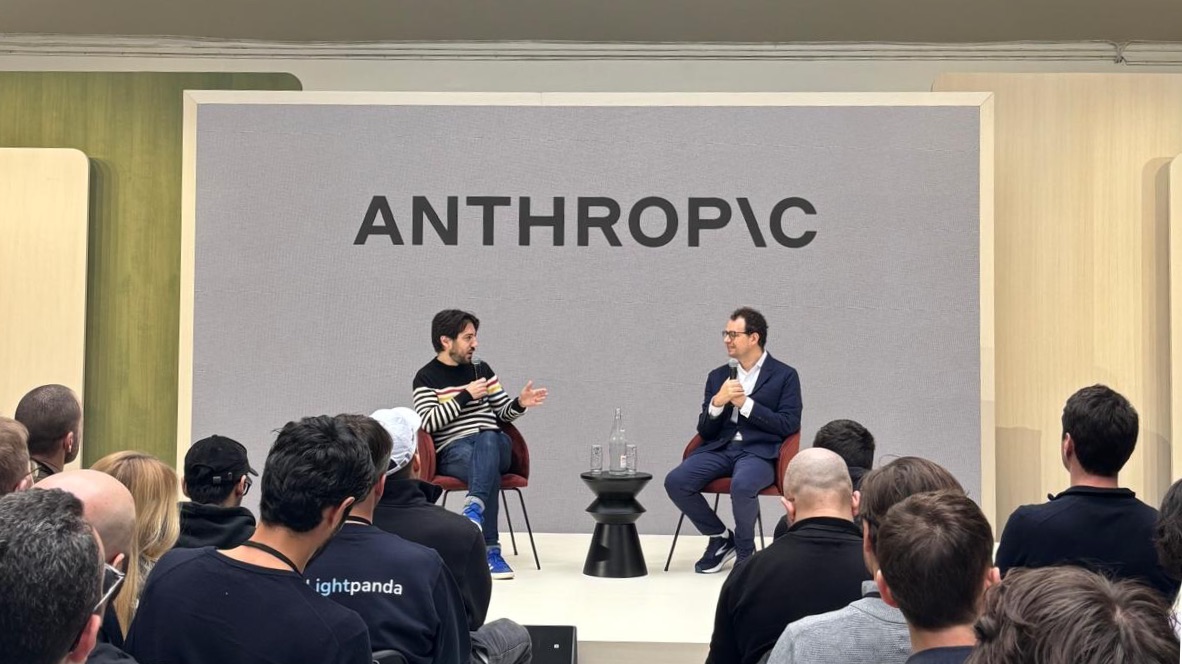
Anthropic’s Mythos AI: Security Breakthrough or Strategic Market Moat?
Anthropic has introduced its latest artificial intelligence model, Mythos, with a highly restricted release strategy that limits access to a handful of major corporations and critical infrastructure providers. Partners such as Amazon Web Services and JPMorgan Chase are among the few granted early access to the technology, which is specifically engineered to detect complex vulnerabilities within global software systems. The company maintains that this controlled rollout is a necessary safety measure, designed to help organizations fortify their digital perimeters against the rising tide of sophisticated cyber threats that modern large language models can inadvertently facilitate.
Despite the emphasis on security, the decision to gate the model has ignited a broader conversation regarding the motivations behind such exclusivity. While Anthropic asserts that Mythos provides a significant performance leap over its predecessor, Opus, some industry observers remain unconvinced of the necessity for such tight control. Cybersecurity startups have noted that similar vulnerability detection results can often be achieved through smaller, specialized, open-weight models, suggesting that the effectiveness of digital security may rely more on task-specific applications than on a single, monolithic AI system.
Critics argue that the restricted access model serves as a strategic barrier against ‘distillation,’ a process in which smaller research labs attempt to train their own models using the outputs of larger, more expensive systems. By keeping Mythos behind closed doors, major AI firms may be attempting to solidify their dominance in the enterprise sector and prevent competitors from replicating their proprietary technology. This trend suggests a shifting landscape where top-tier AI capabilities are increasingly reserved for the highest-paying clients, potentially creating a divide that could marginalize smaller innovators and centralize power within a few dominant industry players.
Key Takeaways
- Anthropic is limiting access to its new 'Mythos' AI model to select enterprise partners to focus on critical infrastructure security.
- Industry experts question whether the restricted release is purely for safety or a strategic move to prevent competitors from using 'distillation' to replicate their technology.
- The move highlights a growing trend among major AI labs to prioritize enterprise dominance and protect capital-intensive business models through exclusive access.
Editor’s Analysis & Impact
The release of Mythos highlights a pivotal tension in the AI industry: the conflict between public safety and commercial protectionism. By framing restricted access as a ‘security necessity,’ major labs like Anthropic are effectively creating a moat around their most advanced intellectual property. This strategy serves two purposes: it mitigates the risk of powerful tools falling into the hands of malicious actors, and it creates a high barrier to entry for smaller competitors. As the industry matures, we expect to see more ‘gated’ AI capabilities, which will likely accelerate the divide between enterprise-grade AI and open-source alternatives. While this may lead to more stable infrastructure for large corporations, it raises concerns about the centralization of AI power and the potential stifling of innovation from smaller, more agile research labs.
Frequently Asked Questions
Q: What is the primary purpose of Anthropic's Mythos model?
A: Mythos is designed to identify security exploits and vulnerabilities within complex software systems to help protect critical digital infrastructure.
Q: What is 'distillation' in the context of AI models?
A: Distillation is a technique where smaller, more efficient AI models are trained using the outputs of larger, more powerful frontier models, effectively allowing smaller labs to replicate advanced capabilities at a lower cost.
AI Disclosure: This article is based on verified data and official reports. Our Team and AI have cross-referenced every financial detail with primary sources to ensure total accuracy.
More from this Category