Israel and Lebanon Establish Framework for De-escalation in US-Brokered Breakthrough
Israel and Lebanon have officially signed a framework agreement aimed at establishing a path toward lasting peace and security in the region. The deal, facilitated by the United States, marks a significant diplomatic milestone following months of intense cross-border hostilities that have destabilized the Middle East. While specific details of the agreement remain under wraps, officials have characterized the move as a critical first step toward ending the cycle of violence that has plagued the border region.
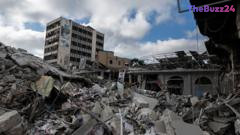
The agreement arrives at a volatile time, as the United States continues to navigate complex geopolitical tensions involving Iran, a primary backer of Hezbollah. Previous attempts at ceasefires between Israel and Hezbollah have largely faltered, with both sides frequently trading accusations of violations. The persistent conflict, which escalated significantly in March following a series of retaliatory strikes, has seen both aerial campaigns and ground incursions, complicating broader international efforts to secure a regional peace.
Despite the optimism surrounding the new framework, the long-term viability of the deal remains uncertain. A major hurdle is the fact that Hezbollah is not a signatory to the agreement, raising questions about whether the militant group will adhere to terms that may require the withdrawal of fighters from southern Lebanon. As the international community watches closely, the success of this framework will likely depend on the ability of both nations to enforce security zones and maintain stability in the face of ongoing regional pressures.
Key Takeaways
- Israel and Lebanon have signed a US-brokered framework agreement intended to foster long-term regional security.
- The deal follows months of intense conflict, including ground operations and airstrikes, which were exacerbated by broader tensions involving Iran.
- The agreement's effectiveness is currently in doubt as Hezbollah, a key player in the conflict, is not a party to the signed framework.
Editor’s Analysis & Impact
The signing of this framework agreement represents a high-stakes diplomatic gamble for the United States, which is attempting to balance its support for Israel with the necessity of regional stability. The primary concern for market analysts and geopolitical observers is the exclusion of Hezbollah from the formal agreement. Without the buy-in of non-state actors operating within Lebanon, the framework risks becoming another failed ceasefire in a long history of regional volatility. If the agreement holds, it could signal a cooling of tensions that have disrupted trade and security in the Middle East; however, if fighting resumes, it may further complicate the US-led diplomatic efforts regarding Iran. The future outlook remains cautious, as the success of this initiative hinges on the enforcement of security zones and the containment of militant activities in southern Lebanon.
Frequently Asked Questions
Q: Is Hezbollah a signatory to the new Israel-Lebanon agreement?
A: No, Hezbollah is not a party to the agreement, which creates significant uncertainty regarding the group's compliance with the terms.
Q: What is the primary goal of this US-brokered framework?
A: The goal is to establish a framework for lasting peace and security, potentially including the creation of security zones to prevent further cross-border strikes.
AI Disclosure: This article is based on verified data and official reports. Our Team and AI have cross-referenced every financial detail with primary sources to ensure total accuracy.
More from this Category