Japan Airlines Deploys Humanoid Robots to Combat Airport Labor Shortages
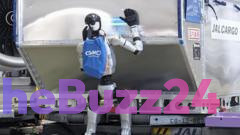
Japan Airlines (JAL) is set to launch a two-year pilot program at Tokyo’s Haneda Airport this May, integrating humanoid robots into its ground handling operations. Developed in collaboration with GMO AI & Robotics, the initiative aims to alleviate the physical strain on human staff and address the growing labor crisis currently impacting the Japanese aviation sector.
During the initial phase of the trial, the robots will be tasked with the heavy lifting involved in loading and unloading cargo containers. This deployment is a strategic response to a significant surge in inbound tourism, which has placed unprecedented pressure on airport infrastructure. With a declining working-age population, the airline is looking toward automation to maintain operational efficiency while supporting its workforce of approximately 4,000 ground handling employees.
Looking ahead, the airline envisions expanding the role of these machines to include cabin cleaning and the operation of specialized ground support equipment. While the industry has already seen the adoption of robots for security patrols and retail services at various Japanese airports, this move represents a deeper integration into the core logistics of flight operations. Despite the push for automation, leadership at JAL emphasizes that human oversight remains essential, particularly for critical safety management tasks that require human judgment.
Key Takeaways
- Japan Airlines is launching a two-year trial using humanoid robots for cargo handling at Haneda Airport.
- The initiative is designed to mitigate severe labor shortages caused by a shrinking workforce and record-high tourism numbers.
- Future plans for the robotics program include expanding automation to cabin cleaning and ground support equipment operation.
Editor’s Analysis & Impact
The integration of humanoid robots into ground handling operations marks a pivotal shift in how the aviation industry addresses structural labor deficits. As Japan faces a demographic crisis characterized by a shrinking workforce, the reliance on automation is no longer a luxury but a necessity for operational continuity. This trial serves as a bellwether for the global aviation sector, which is similarly struggling to balance post-pandemic travel demand with staffing challenges. If successful, the deployment of these robots could set a new standard for airport logistics, potentially reducing operational costs and improving worker retention by offloading physically taxing duties. However, the transition will likely face hurdles regarding regulatory safety standards and the high capital expenditure required for large-scale robotic implementation. The long-term success of this project will depend on the robots’ ability to handle the unpredictable nature of airport environments compared to controlled factory settings.
Frequently Asked Questions
Q: What specific tasks will the robots perform at Haneda Airport?
A: Initially, the robots will be responsible for loading and unloading cargo containers, with future plans to include cabin cleaning and operating ground support equipment.
Q: Why is Japan Airlines turning to robotics for ground handling?
A: The airline is facing a severe labor shortage due to a declining working-age population in Japan combined with a massive increase in inbound tourism, necessitating automated solutions to maintain operations.
AI Disclosure: This article is based on verified data and official reports. Our Team and AI have cross-referenced every financial detail with primary sources to ensure total accuracy.
More from this Category