Japan on High Alert: Authorities Warn of Potential Mega-Quake Following 7.7 Magnitude Tremor
Japanese authorities have issued a stern warning to residents following a powerful 7.7 magnitude earthquake that struck off the nation’s northeast coast. While the immediate threat from the initial tremor has subsided, the Japan Meteorological Agency has cautioned that the risk of a secondary, more powerful earthquake—potentially reaching a magnitude of 8.0 or higher—remains significantly elevated for the coming week. Thousands of residents in coastal regions were prompted to evacuate to higher ground as a precautionary measure immediately following the undersea event, which occurred roughly 530 kilometers north of Tokyo near the Iwate prefecture.
The heightened state of alert underscores the persistent seismic volatility of the region, which remains deeply scarred by the memory of the 2011 9.0-magnitude earthquake. That historic disaster resulted in a catastrophic tsunami and the Fukushima nuclear crisis, claiming over 18,000 lives. Officials are prioritizing public safety and vigilance, noting that the shallow depth of the recent 10-kilometer quake necessitates a proactive approach to disaster preparedness until the threat window passes.
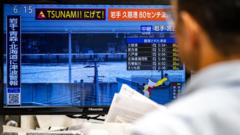
Although initial tsunami warnings were eventually downgraded and lifted, the seismic activity caused localized disruptions, including power outages for over 100 homes and temporary suspensions of bullet train services. Cabinet Secretary Minoru Kihara reported no immediate major damage or casualties, but Prime Minister Sanae Takaichi has urged the public to remain prepared for further activity. Situated along the geologically active Ring of Fire, Japan experiences approximately 1,500 earthquakes annually, accounting for a significant portion of the world’s most intense seismic events.
Key Takeaways
- A 7.7 magnitude earthquake struck off the coast of Japan, triggering immediate evacuation orders and tsunami warnings.
- Meteorological experts have warned of an increased risk of a follow-up earthquake measuring 8.0 or higher within the next week.
- While no major injuries or significant structural damage were reported, the government is maintaining a high state of alert due to the region's history of seismic disasters.
Editor’s Analysis & Impact
The recent seismic activity in Japan serves as a stark reminder of the country’s unique vulnerability to the ‘Ring of Fire.’ From an economic and infrastructure perspective, Japan has developed some of the world’s most robust building codes and disaster response protocols. However, the psychological and logistical strain of a ‘mega-quake’ warning creates significant uncertainty for local industries and supply chains. If a larger event were to occur, the impact on global manufacturing—particularly in the automotive and technology sectors that rely on Japanese components—could be substantial. The government’s decision to issue a public warning for a potential follow-up quake is a calculated move to balance public safety with economic stability, reflecting a mature, data-driven approach to disaster management that other earthquake-prone nations often look to as a global benchmark.
Frequently Asked Questions
Q: Why are authorities warning about a potential 8.0 magnitude earthquake?
A: Seismologists have observed patterns in the recent 7.7 magnitude quake that suggest an increased probability of a larger, secondary seismic event occurring in the same region within the next seven days.
Q: Is it common for Japan to experience earthquakes of this size?
A: Yes, Japan is located on the Ring of Fire and experiences roughly 1,500 earthquakes annually, accounting for about 10% of the world's seismic activity measuring 6.0 or higher.
AI Disclosure: This article is based on verified data and official reports. Our Team and AI have cross-referenced every financial detail with primary sources to ensure total accuracy.
More from this Category