Jeff Bezos Ignites Tax Debate with Proposal to Exempt Lower-Income Earners
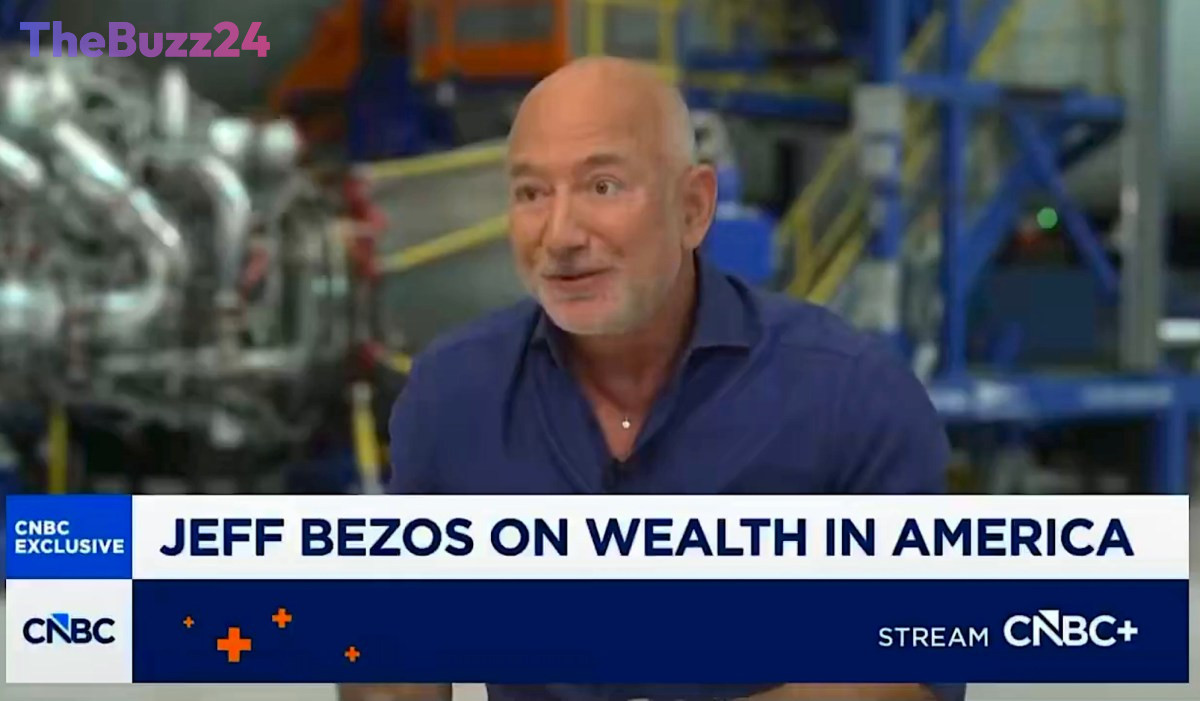
Billionaire entrepreneur Jeff Bezos has put forward a striking proposal: that Americans comprising the bottom half of income earners should be exempt from federal income taxes. The former Amazon CEO highlighted the significant financial strain federal tax obligations place on lower and middle-income individuals, citing an example of a nurse in Queens earning approximately $75,000 annually who reportedly pays over $1,000 monthly in taxes. Bezos argued that this amount could instead be used for essential needs like rent or groceries, emphasizing the perceived absurdity of such a burden on those who contribute a mere 3% to the nation’s total tax revenue.
This suggestion emerges amidst a persistent national dialogue concerning tax fairness, particularly regarding the ultra-wealthy. Critics often point to the U.S. tax system’s treatment of unrealized capital gains, which allows individuals with substantial wealth, like Bezos, to see their net worth surge through asset appreciation without incurring immediate tax liabilities. For instance, Bezos’s wealth grew by $127 billion between 2006 and 2018, yet his reported income during that period was significantly lower, resulting in an effective tax rate of roughly 1%.
Bezos’s comments have reignited the contentious debate over progressive taxation. While some political figures, such as Senator Elizabeth Warren, advocate for increased taxes on the wealthy to address systemic issues, Bezos maintains that the U.S. already operates under a progressive tax system, with the top 1% contributing 40% of federal revenue. He further contended that simply raising taxes on the affluent would not resolve broader societal problems, stressing the critical need for efficient government spending to ensure tax dollars genuinely benefit citizens rather than being absorbed by administrative bureaucracy.
Ultimately, the proposal underscores the growing concerns about economic inequality and the real-world impact of tax policy on everyday Americans. For many families, even modest tax burdens can exacerbate financial pressures already strained by rising costs in housing, healthcare, and education, making the discussion around tax relief for lower earners a crucial point in the ongoing economic discourse.
Key Takeaways
- Jeff Bezos advocates for eliminating federal income tax for the bottom 50% of U.S. earners.
- He argues this group contributes minimally to total tax revenue but faces a significant personal burden.
- The proposal reignites debates on progressive taxation, wealth inequality, and government spending efficiency.
Editor’s Analysis & Impact
Jeff Bezos’s proposal to exempt lower-income earners from federal taxes could significantly influence the ongoing national conversation about tax reform and economic inequality. While unlikely to be implemented swiftly due to political complexities, it adds considerable weight to arguments for tax relief for the working class. If such a policy were adopted, it could boost consumer spending among lower-income demographics, potentially stimulating local economies. However, it would also necessitate identifying alternative revenue streams or implementing substantial government spending cuts.
The broader implications highlight the contentious nature of wealth distribution and the perceived fairness of the current tax system, especially concerning the ultra-wealthy. This debate will likely continue to pressure policymakers to explore comprehensive tax reforms that balance revenue generation with equitable burden sharing, potentially leading to more scrutiny on capital gains taxation and government efficiency.
Frequently Asked Questions
Q: What is Jeff Bezos's main proposal regarding federal income tax?
A: Jeff Bezos proposes that the bottom 50% of American income earners should not be required to pay federal income taxes.
Q: Why does Bezos believe this change is necessary?
A: He argues that while this group contributes only a small percentage (around 3%) to total federal tax revenue, the tax burden represents a significant portion of their individual income, impacting their ability to afford essentials like rent and groceries.
Q: How does this proposal relate to the broader discussion on taxing the wealthy?
A: Bezos's proposal comes amidst ongoing debates about tax fairness, particularly concerning the ultra-wealthy and their often lower effective tax rates due to the treatment of unrealized capital gains. While advocating for relief for lower earners, he also emphasizes efficient government spending over simply increasing taxes on the rich.
AI Disclosure: This article is based on verified data and official reports. Our Team and AI have cross-referenced every financial detail with primary sources to ensure total accuracy.
More from this Category