Senate Banking Chair Challenges Jerome Powell’s Departure Strategy
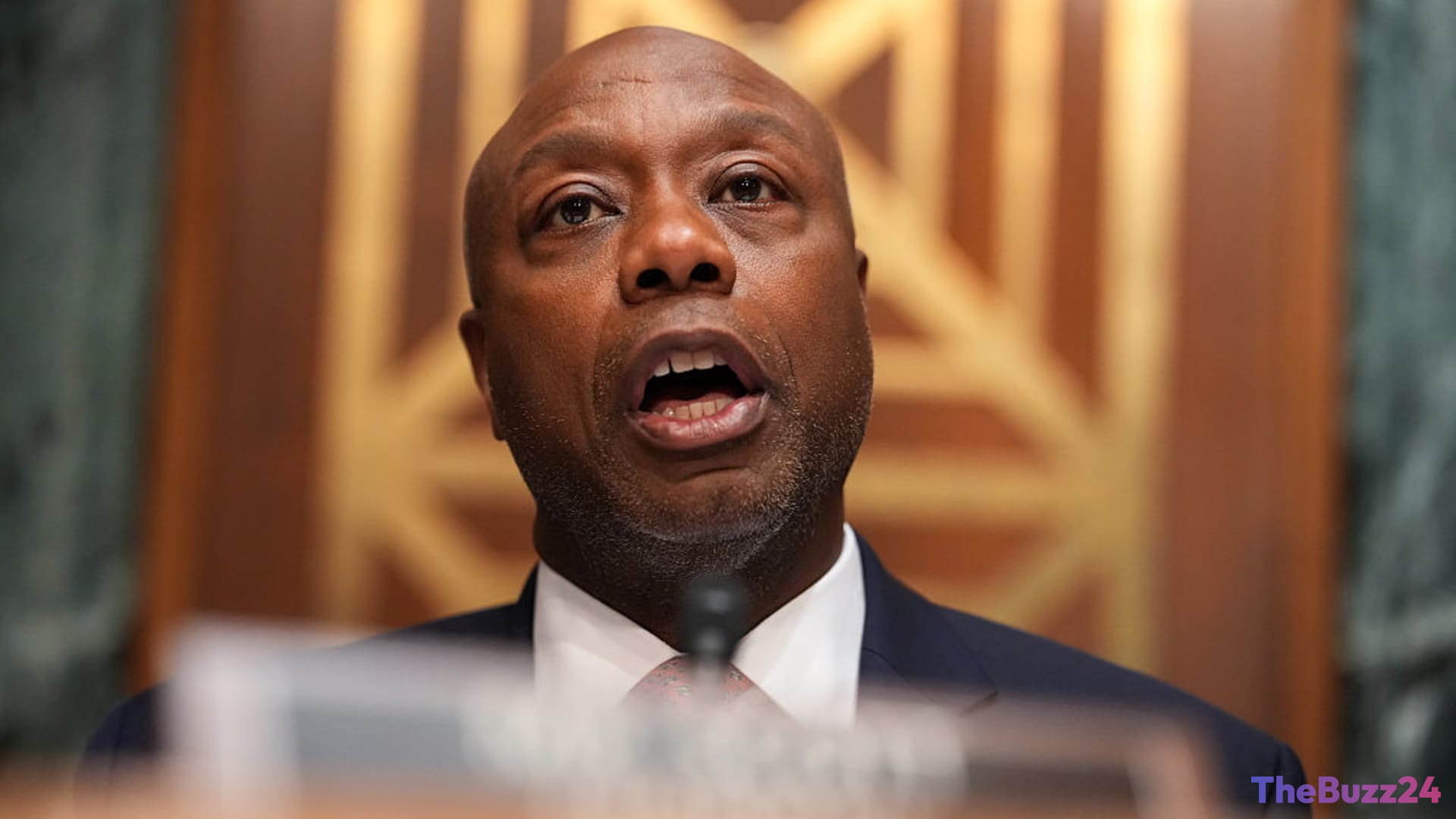
Senator Tim Scott, serving as the chair of the Senate Banking, Housing and Urban Affairs Committee, has publicly challenged Federal Reserve Chair Jerome Powell’s intention to remain on the Board of Governors following the conclusion of his leadership term. Scott characterized the move as a significant departure from institutional norms, highlighting that for the past 75 years, outgoing chairs have traditionally resigned from the board entirely to facilitate a seamless transition and prevent ideological friction between successive leadership teams.
Powell’s current term as chair is set to expire on May 15. By opting to retain his seat on the board, he could potentially remain in a position of influence until 2028. This decision effectively limits the current administration’s ability to immediately reshape the board’s majority. The situation is further strained by ongoing policy disagreements regarding interest rate trajectories and a federal inquiry into substantial cost overruns associated with the renovation of the Federal Reserve’s headquarters.
In his defense, Powell has maintained that he intends to stay on the board until the investigation into the facility’s construction costs and his associated testimony are fully addressed. While a criminal inquiry has been referred to the Federal Reserve’s inspector general, the political climate remains tense. Simultaneously, the Senate is advancing the nomination of Kevin Warsh as the next chair, a process that had previously faced delays due to concerns regarding the oversight of the outgoing administration.
Key Takeaways
- Senator Tim Scott has formally opposed Jerome Powell's plan to stay on the Federal Reserve Board after his chair term ends, citing a 75-year tradition of departure.
- Powell's continued presence on the board could extend his influence until 2028, potentially hindering the administration's ability to appoint a new board majority.
- The dispute is exacerbated by a federal investigation into significant budget overruns at the Federal Reserve's headquarters.
Editor’s Analysis & Impact
Jerome Powell’s decision to remain on the Board of Governors represents a rare departure from established norms, signaling a potential shift in how central bank leadership transitions are handled. By retaining his seat, Powell is effectively creating a ‘shadow’ influence that could complicate the policy agenda of the incoming administration. This move highlights the growing intersection of monetary policy and political maneuvering, as the Federal Reserve faces increased scrutiny over its internal management and fiscal accountability. The broader implication is a potential period of institutional gridlock, where the board’s composition remains contested. Investors and market participants should monitor this situation closely, as the internal friction at the Fed could lead to unpredictable shifts in interest rate policy and regulatory oversight in the coming years.
Frequently Asked Questions
Q: Why is Jerome Powell’s decision to stay on the board considered controversial?
A: It breaks a 75-year precedent where outgoing chairs typically resign from the board entirely to allow for a fresh start and to prevent conflicting philosophies between the outgoing and incoming leadership.
Q: What is the primary investigation involving the Federal Reserve?
A: The investigation centers on significant cost overruns related to renovations at the Federal Reserve’s headquarters, which has led to congressional scrutiny and a referral to the agency's inspector general.
AI Disclosure: This article is based on verified data and official reports. Our Team and AI have cross-referenced every financial detail with primary sources to ensure total accuracy.
More from this Category