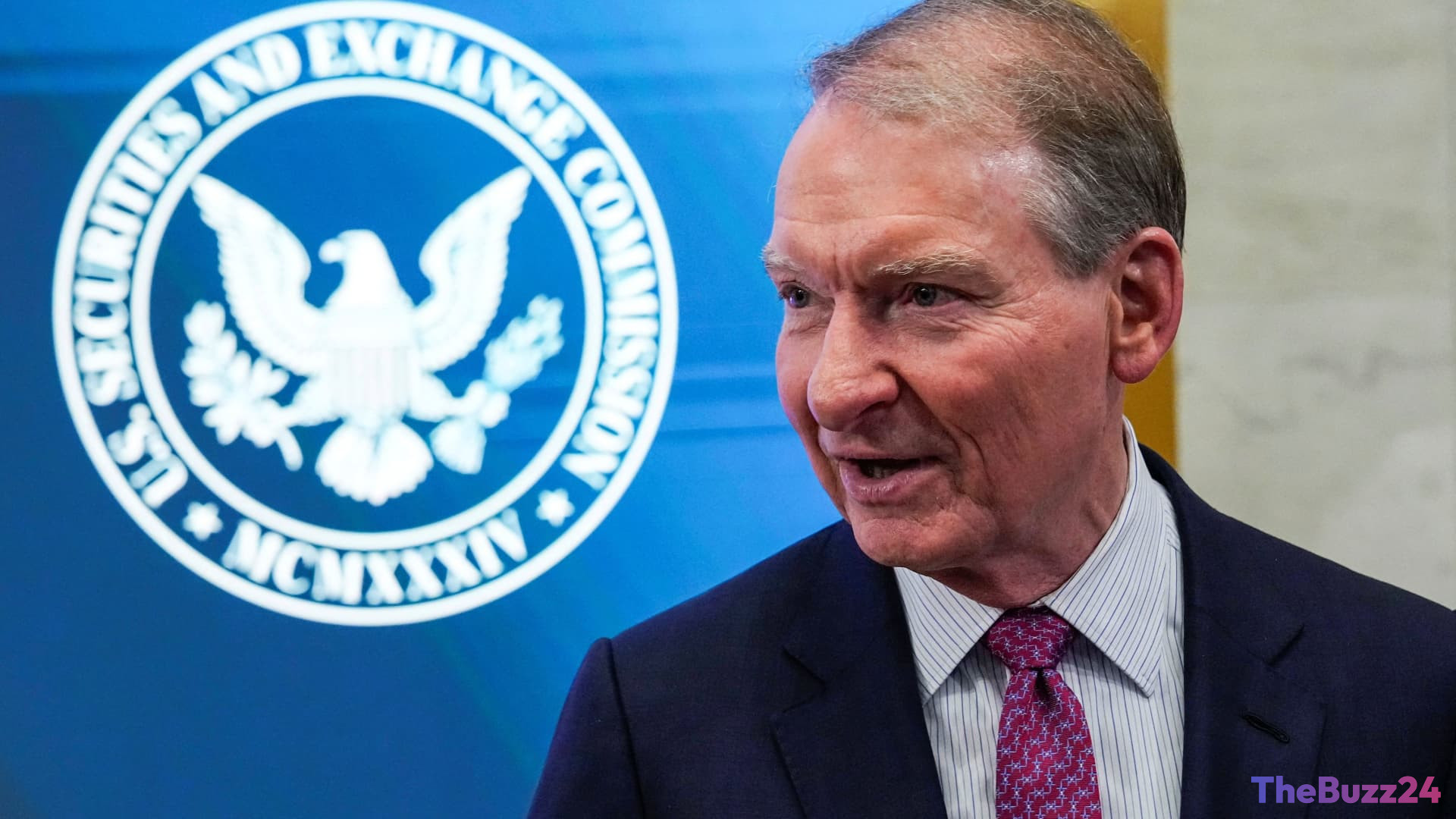
SEC Proposes Move to Semiannual Earnings to Combat Corporate Short-Termism
The Securities and Exchange Commission (SEC) has unveiled a significant regulatory proposal that would allow public companies to shift from the standard quarterly 10-Q filing requirement to a semiannual reporting schedule. Under this new framework, firms would utilize a proposed ’10-S’ form to disclose financial updates twice per year, while continuing to fulfill their obligations for comprehensive annual reporting. This initiative is designed to grant businesses increased flexibility, allowing them to align their disclosure cycles with their specific operational strategies and long-term goals.
This potential policy shift addresses a long-standing critique that mandatory quarterly disclosures force corporate leadership to prioritize short-term stock performance over sustainable growth. By reducing the frequency of these filings, proponents argue that executives will be better positioned to focus on strategic initiatives rather than reacting to the immediate pressures of quarterly earnings cycles. SEC Chairman Paul Atkins has noted that the current rigid reporting structure has historically constrained companies from tailoring their communication to better reflect their unique business models.
However, the proposal has already ignited a debate regarding market transparency and investor protection. While advocates suggest the change will foster a more stable investment environment, critics express concern that less frequent reporting could create an information gap. There is apprehension that retail investors, who rely heavily on public filings for their decision-making, might be disadvantaged compared to institutional players who often possess alternative channels for gathering corporate data. The SEC has opened a 60-day public comment period to solicit feedback from stakeholders before moving toward a final vote on the measure.
Key Takeaways
- The SEC is proposing a transition from quarterly 10-Q filings to a semiannual 10-S reporting format for public companies.
- The initiative aims to reduce corporate 'short-termism' and administrative burdens, allowing firms to focus on long-term strategic planning.
- The proposal faces scrutiny over potential transparency issues and the risk of creating an information disadvantage for retail investors.
Editor’s Analysis & Impact
The SEC’s proposal to move toward semiannual reporting represents a fundamental shift in the philosophy of corporate governance. For decades, the quarterly earnings cycle has been the heartbeat of Wall Street, driving both algorithmic trading and executive compensation structures. By potentially relaxing this cadence, the SEC is signaling a desire to curb the ‘quarterly capitalism’ that often discourages R&D and long-term capital investment. However, the market impact could be profound; a reduction in data frequency may lead to increased stock volatility as investors react to larger, less frequent updates. Furthermore, the move could inadvertently widen the information asymmetry between retail investors and institutional entities, who may demand more frequent private disclosures. If adopted, this change will force a re-evaluation of valuation models and market expectations across all sectors.
Frequently Asked Questions
Q: What is the proposed 10-S form?
A: The 10-S form is a proposed document that would allow companies to provide financial updates on a semiannual basis, replacing the current quarterly 10-Q filing requirement.
Q: How long is the public comment period for this proposal?
A: The SEC has established a 60-day public comment period to gather feedback from investors, corporations, and other stakeholders before deciding on the final rule.
AI Disclosure: This article is based on verified data and official reports. Our Team and AI have cross-referenced every financial detail with primary sources to ensure total accuracy.
More from this Category