Jordan Sentences Trio to Death for Karak Church Massacre
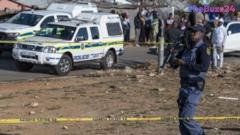
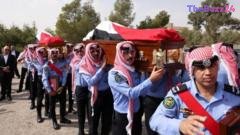
A Jordanian court has delivered death sentences by hanging to three individuals found guilty of a fatal mass shooting at a Greek Orthodox church in the Karak governorate last month. The horrific attack, which occurred on October 23, claimed the lives of nine people and left 34 others wounded as they attended a Christian funeral service.
The convicted men, identified as two Jordanian brothers and their brother-in-law, were found guilty of multiple charges including committing “terrorist acts,” illegal possession of weapons, “promoting the ideas of a terrorist organisation,” and “conspiracy to commit terrorist acts.” Following the assault on St George’s church in the village of Hmoud, the trio fled the scene but were apprehended three days later after a standoff with security forces. Karak is known for its significant Christian population within the predominantly Muslim kingdom, and the motive behind targeting this specific church remains unclear. King Abdullah II swiftly condemned the attack, vowing “the harshest retaliation” and emphasizing the unbreakable unity of Jordanians against such divisive acts.
In the wake of the Karak tragedy, Jordan’s military launched retaliatory strikes against what it described as “terrorist organisations” in Syria. While Jordanian authorities stated they had coordinated with the Syrian government, Damascus denied prior notification of the operations. Syrian health officials reported civilian casualties from these strikes, a claim contested by Jordan, which asserted its fighter jets had neutralized “several terrorists.” The kingdom’s firm response underscores its commitment to national security and combating extremism. Jordan has a history of capital punishment, with executions carried out by hanging, though it has observed periods of unofficial moratoriums in the past.
Key Takeaways
- Three men received death sentences in Jordan for a mass shooting at a Greek Orthodox church in Karak.
- The October 23 attack resulted in nine fatalities and 34 injuries during a Christian funeral.
- Jordan launched retaliatory military strikes in Syria against alleged terrorist groups following the church massacre.
Editor’s Analysis & Impact
The imposition of death sentences for the Karak church attack signals Jordan’s uncompromising stance against terrorism and its determination to maintain national security. This severe judicial outcome is intended to deter future extremist acts and reassure both its Christian minority and the broader populace. Regionally, Jordan’s retaliatory strikes in Syria highlight the complex security challenges it faces from cross-border threats, potentially straining diplomatic relations even as it asserts its right to self-defense. The incident underscores the ongoing struggle against radical ideologies in the Middle East and Jordan’s commitment to stability, even if it means taking decisive military action. This firm approach is likely to be viewed positively domestically, reinforcing the government’s image as a protector of its citizens.
Frequently Asked Questions
Q: What was the nature of the attack in Karak?
A: The attack was a mass shooting carried out by three men at a Greek Orthodox church in Karak governorate on October 23, during a Christian funeral service. It resulted in nine deaths and 34 injuries.
Q: Who were the individuals sentenced to death?
A: The three men sentenced to death were identified as two Jordanian brothers and their brother-in-law. Their specific identities were not publicly disclosed.
Q: How did Jordan respond to the church attack beyond the court sentencing?
A: In addition to the judicial process, Jordan's military conducted retaliatory airstrikes in Syria against alleged terrorist organizations, stating these actions were in response to the church attack.
AI Disclosure: This article is based on verified data and official reports. Our Team and AI have cross-referenced every financial detail with primary sources to ensure total accuracy.
More from this Category