Harvey Weinstein Case Ends in Third Mistrial as Legal Stalemate Persists
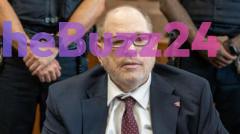
A New York judge has officially declared a mistrial in the sexual assault case against former film producer Harvey Weinstein after jurors were unable to reach a unanimous decision. This outcome marks the third time a jury has failed to reach a verdict in this specific legal matter, which centered on allegations made by aspiring actress Jessica Mann regarding an incident over a decade ago.
The trial, which spanned a month of testimony, has been part of a complex and lengthy legal saga for the 74-year-old former mogul. Following the deadlock, the Manhattan District Attorney’s office announced it would consult with the accuser to determine if a fourth trial is a viable path forward. Conversely, Weinstein’s legal team has urged prosecutors to cease further attempts, arguing that the repeated inability to secure a verdict proves that intense public scrutiny has made a fair trial impossible.
Despite the lack of a resolution in this New York case, Weinstein remains incarcerated. He is currently serving time for a separate sexual assault conviction in California. The former Miramax co-founder, who has faced allegations from over 100 women since 2017, is also reportedly managing significant health challenges, including a recent diagnosis of bone marrow cancer.
Key Takeaways
- A New York judge declared a mistrial in Harvey Weinstein's rape case after the jury failed to reach a unanimous verdict for the third time.
- Prosecutors are currently weighing the possibility of a fourth trial after consulting with the accuser, Jessica Mann.
- Weinstein remains in custody due to a separate conviction in California, regardless of the outcome of the New York proceedings.
Editor’s Analysis & Impact
The repeated mistrials in the Harvey Weinstein case underscore the significant hurdles prosecutors face when litigating high-profile, historical sexual assault allegations. While the #MeToo movement successfully catalyzed a global shift in how society addresses systemic abuse, the judicial system remains bound by rigorous standards of proof that are often complicated by intense media saturation. The defense’s focus on public prejudice highlights the difficulty of impaneling an impartial jury in cases of this magnitude. From an industry perspective, the entertainment sector has largely moved past the era of unchecked executive power that Weinstein once represented. However, this legal stalemate serves as a reminder that cultural reckonings and criminal convictions do not always align, as the slow-moving nature of the courts continues to grapple with the complexities of long-standing allegations.
Frequently Asked Questions
Q: Why was a mistrial declared in the New York case?
A: The judge declared a mistrial because the jury was unable to reach a unanimous verdict, resulting in a deadlock.
Q: Is Harvey Weinstein being released from prison due to this mistrial?
A: No, Weinstein remains incarcerated as he is serving a sentence for a separate sexual assault conviction in California.
Q: What is the next step for the prosecution?
A: The Manhattan District Attorney's office is currently consulting with the accuser to decide whether to pursue a fourth trial or drop the charges.
AI Disclosure: This article is based on verified data and official reports. Our Team and AI have cross-referenced every financial detail with primary sources to ensure total accuracy.
More from this Category