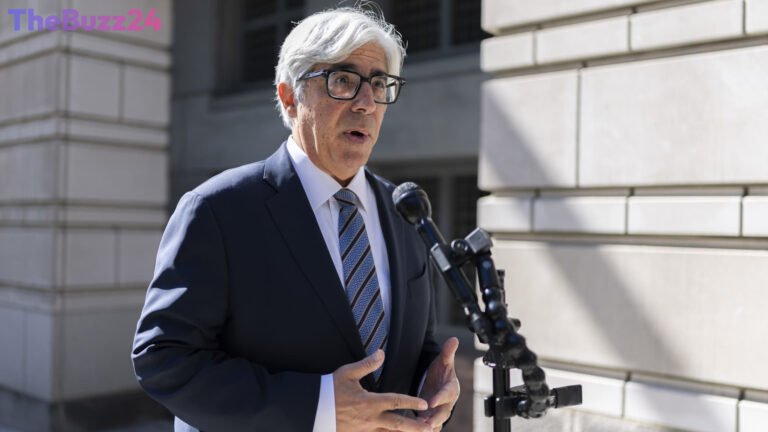
Lam Wing-kee, Defiant Hong Kong Bookseller and Symbol of Free Speech, Dies at 70
Lam Wing-kee, a prominent Hong Kong bookseller who became a global symbol of resistance against political censorship, has passed away at the age of 70. He died at Mackay Memorial Hospital in Taipei following a battle with lung cancer, marking the end of a life defined by his unwavering commitment to freedom of expression.
Lam gained international attention in 2015 when he was among several individuals associated with Causeway Bay Books who disappeared, only to be discovered in detention by mainland Chinese authorities. The bookstore had been known for selling literature critical of China’s political elite. Following his release, Lam revealed that his televised confession had been coerced and scripted, a disclosure that sparked widespread alarm regarding the erosion of civil liberties in Hong Kong.
In 2019, fearing that a proposed extradition bill would allow him to be sent to the mainland, Lam fled to Taiwan. There, he reopened his bookstore, establishing it as a sanctuary for those seeking to discuss political issues without fear of reprisal. His relocation to Taiwan was widely viewed as a defiant act of courage, reinforcing his reputation as a staunch advocate for democratic values.
Taiwanese leadership expressed deep condolences following his passing, acknowledging Lam’s role in highlighting the dangers of authoritarian repression. Throughout his later years, Lam remained steadfast in his convictions, frequently stating that individuals must remain true to their values regardless of the personal cost. His legacy continues to serve as a poignant reminder of the ongoing struggle for intellectual freedom in the region.
Key Takeaways
- Lam Wing-kee was a central figure in the 2015 disappearance of Hong Kong booksellers who published material critical of the Chinese government.
- After fleeing to Taiwan in 2019 to avoid extradition, he reopened his bookstore as a hub for political discourse and democratic advocacy.
- His life and public testimony regarding coerced confessions became a catalyst for concerns over Hong Kong's autonomy and freedom of speech.
Editor’s Analysis & Impact
The passing of Lam Wing-kee marks the loss of a significant figure in the modern history of Hong Kong’s civil society. His life trajectory—from a local bookseller to a political exile—mirrors the broader geopolitical shifts that have transformed the region over the last decade. By choosing to reopen his bookstore in Taiwan, Lam transformed a personal struggle into a public statement on the resilience of democratic ideals. His death serves as a focal point for discussions regarding the long-term impact of the 2019 protests and the subsequent tightening of political control in Hong Kong. Moving forward, his story remains a critical case study for international observers monitoring the intersection of commerce, literature, and state censorship in an increasingly polarized global environment.
Frequently Asked Questions
Q: Why was Lam Wing-kee detained in 2015?
A: Lam was detained by Chinese authorities for his role in selling books that were critical of the Chinese political leadership at his shop, Causeway Bay Books.
Q: Why did Lam Wing-kee move to Taiwan?
A: He moved to Taiwan in 2019 out of fear that a proposed extradition bill in Hong Kong would allow authorities to send him to mainland China to face further legal action.
AI Disclosure: This article is based on verified data and official reports. Our Team and AI have cross-referenced every financial detail with primary sources to ensure total accuracy.
More from this Category