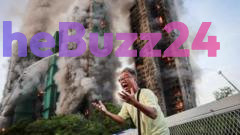
Legal Action Commences Following Deadly Hong Kong Housing Complex Fire
Hong Kong authorities have initiated formal legal proceedings in connection with the catastrophic fire at the Wang Fuk housing complex last November. The blaze, which stands as the city’s deadliest in over seven decades, resulted in the tragic loss of 168 lives and displaced thousands of residents. In a significant development, two companies and seven individuals have been hit with a total of 25 charges, ranging from manslaughter and conspiracy to defraud to tax evasion and attempting to pervert the course of justice.
The charges target key entities involved in the site’s renovation, specifically the structural engineering consultancy firm Will Power Architects and the main contractor, Prestige Construction and Engineering. Both firms, along with three specific directors and a registered inspector, face manslaughter charges. During recent court proceedings, the accused were denied bail as investigations into the systemic failures of the project continue.
An independent inquiry into the disaster revealed a series of critical safety breaches that exacerbated the tragedy. Investigators found that fire alarms across seven of the eight residential blocks had been deactivated, while windows were obstructed by flammable foam boards. Furthermore, allegations of negligence, including the improper disposal of lit cigarette butts by construction workers, have surfaced. Beyond the safety failures, the city’s anti-graft watchdog has leveled additional accusations of corruption, alleging fraud in the tendering and supervision processes, as well as attempts to obstruct the subsequent investigation through witness intimidation and the concealment of illicit funds.
Key Takeaways
- Two major firms and seven individuals face 25 charges, including manslaughter, following a fire that killed 168 people.
- Investigations revealed that critical fire safety systems, including alarms, were deactivated during renovation work.
- The case involves complex allegations of corruption, including fraud in the tendering process and attempts to obstruct justice.
Editor’s Analysis & Impact
The legal fallout from the Wang Fuk housing complex fire highlights a critical intersection of corporate negligence, regulatory failure, and systemic corruption. By charging both the consultancy firm and the main contractor with manslaughter, the judiciary is signaling a strict stance on accountability for construction safety. The broader implications suggest a tightening of oversight for urban renovation projects in Hong Kong, as the government seeks to restore public trust following the tragedy. The inclusion of corruption and obstruction charges indicates that the disaster was not merely a technical failure but a result of deep-seated malfeasance. Moving forward, the industry can expect more rigorous inspections and a potential overhaul of how renovation contracts are awarded and supervised to prevent similar catastrophes.
Frequently Asked Questions
Q: What were the primary causes of the fire's severity?
A: The investigation identified that fire safety systems, including alarms, were deactivated, and windows were blocked with flammable materials, preventing proper evacuation and fire containment.
Q: What are the specific charges filed against the companies and individuals?
A: The charges include manslaughter, conspiracy to defraud, attempting to pervert the course of public justice, and tax evasion, alongside various corruption-related offenses.
AI Disclosure: This article is based on verified data and official reports. Our Team and AI have cross-referenced every financial detail with primary sources to ensure total accuracy.
More from this Category