Washington and Tehran Pause Hostilities as Diplomatic Efforts Surge Around Strait of Hormuz
A temporary lull in combat between American and Iranian forces appeared to hold on Monday, providing a window for regional diplomatic initiatives aimed at de-escalating the multi-month conflict. The pause in military strikes follows international pressure to allow room for mediation efforts led by actors such as Oman and China. Despite the break in direct combat, Iranian representatives emphasized that formal discussions are currently limited to third-party channels, specifically regarding maritime security in the Strait of Hormuz.
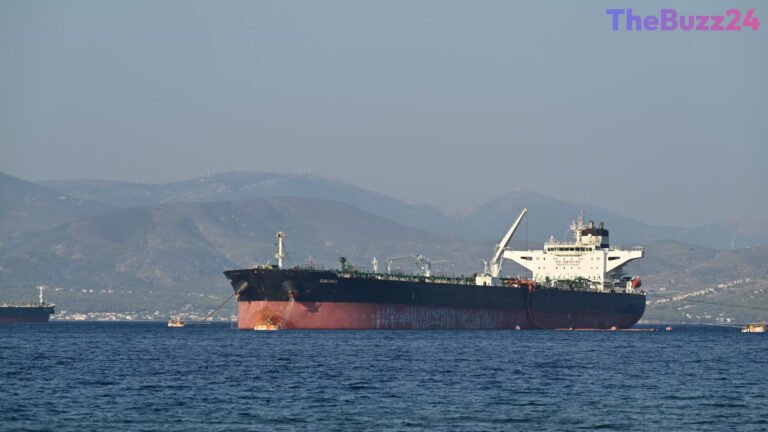
The operational pause sparked an immediate response across global financial markets. Crude oil prices plunged by over seven percent early Monday on hopes of a potential diplomatic breakthrough, prompting initial gains across major stock indexes. However, underlying market volatility remained evident as analysts warned that energy transit through the critical Strait of Hormuz remains heavily blocked, threatening both Persian Gulf and Red Sea shipping corridors.
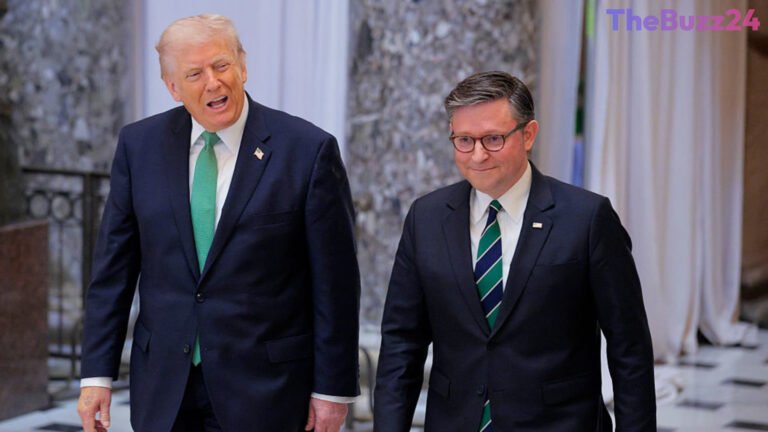
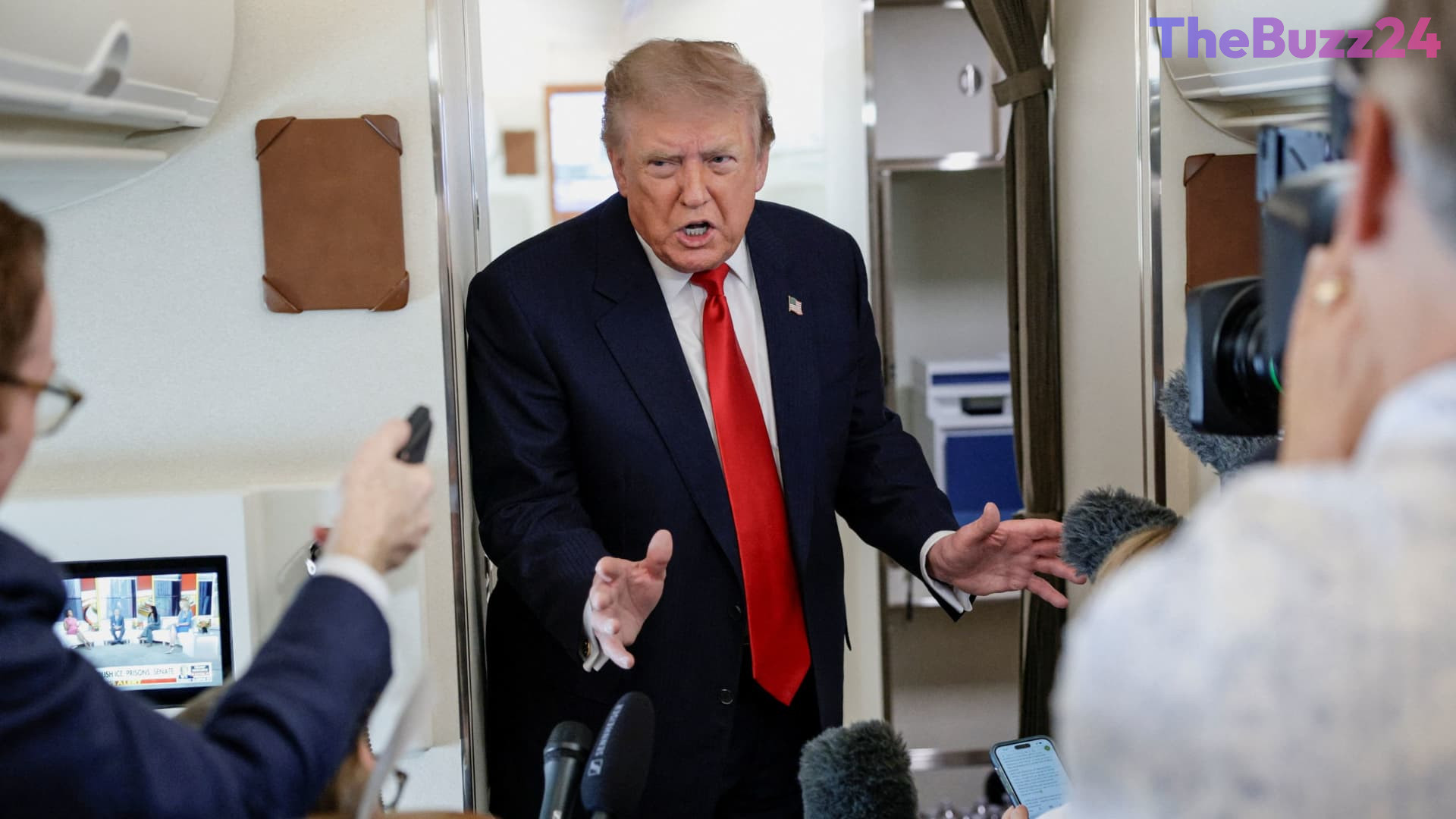
Questions regarding military capacity emerged alongside diplomacy. President Donald Trump addressed concerns over diminishing U.S. munitions reserves, asserting that national stockpiles remain sufficiently robust for ongoing defense requirements while attributing previous inventory declines to military aid supplied to Ukraine. Meanwhile, Israeli Prime Minister Benjamin Netanyahu confirmed plans to meet with President Trump to discuss strategic objectives, emphasizing Israel’s focus on securing its borders and regional stability.
Despite the break in direct engagements between Washington and Tehran, related regional skirmishes underscore the fragile nature of the current stand-down. Saudi military assets launched targeted strikes against Iran-aligned Houthi forces in Yemen following renewed attacks on Red Sea commercial vessels. Additionally, Ukrainian forces targeted an Iranian commercial ship in the Caspian Sea alleged to be transporting military cargo, highlighting how the Middle Eastern conflict continues to intersect with broader geopolitical flashpoints.
Key Takeaways
- The U.S. and Iran have temporarily halted military strikes to make room for third-party diplomatic negotiations in Oman and Pakistan.
- Global crude oil prices dropped sharply following news of the operational pause, though energy transit via the Strait of Hormuz remains heavily restricted.
- Subsidiary regional conflicts remain active, including Saudi air strikes on Houthi targets and Ukrainian military actions in the Caspian Sea.
Editor’s Analysis & Impact
The temporary cessation of hostilities between the U.S. and Iran offers short-term relief to global markets, as evidenced by the sudden drop in crude oil futures. However, fundamental systemic risks persist for global energy infrastructure. With roughly twenty percent of world petroleum supply historically moving through the Strait of Hormuz, prolonged blockades present severe economic vulnerabilities. Diplomatic negotiations facilitated by intermediaries like Oman are crucial, yet deep disputes over Iran’s nuclear ambitions, regional proxy support, and economic sanctions suggest that a permanent resolution remains distant. Financial markets will likely experience continued volatility across energy and defense sectors until durable guarantees for open maritime navigation in the Persian Gulf are achieved.
Frequently Asked Questions
Q: Is there a formal long-term ceasefire between the U.S. and Iran?
A: No, the current pause in military strikes is informal and designed to give diplomatic efforts room to operate. Iranian officials have denied reports of any binding 10-day ceasefire agreement.
Q: Why did crude oil prices drop after the fighting paused?
A: Energy markets reacted to reduced immediate risks of supply disruptions and the possibility that negotiations could lead to the eventual reopening of key maritime shipping routes.
Q: What role is Oman playing in the peace talks?
A: Oman is acting as a primary diplomatic bridge, holding talks with Iranian representatives to negotiate potential frameworks for restoring commercial shipping traffic through the Strait of Hormuz.
AI Disclosure: This article is based on verified data and official reports. Our Team and AI have cross-referenced every financial detail with primary sources to ensure total accuracy.
More from this Category