Lucid Motors Rejects Bankruptcy Speculation Amidst Market Challenges and Stock Volatility
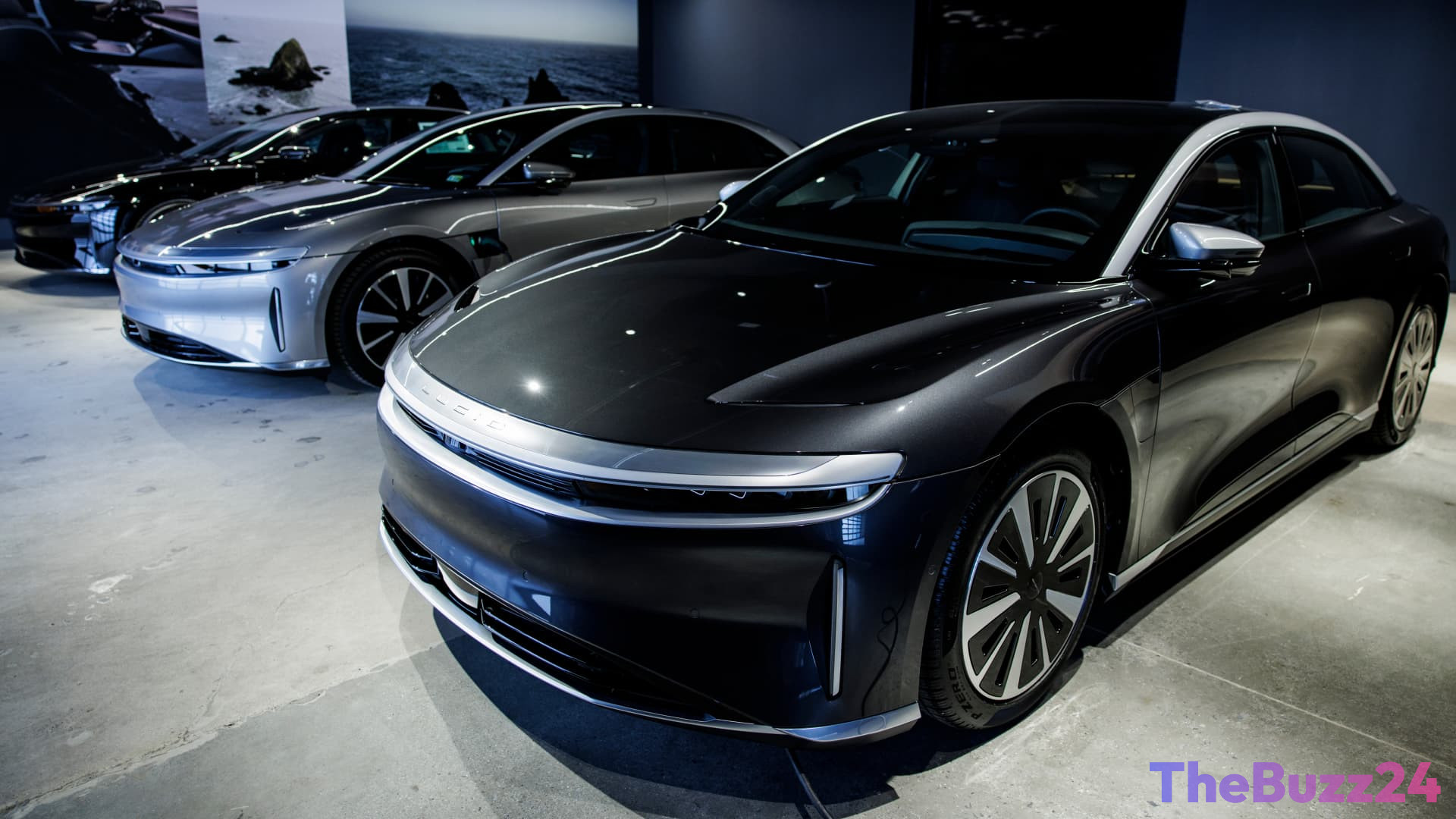
Lucid Motors has emphatically denied recent reports suggesting the luxury electric vehicle manufacturer was exploring options such as filing for Chapter 11 bankruptcy protection or going private. The company’s shares experienced significant volatility following the initial speculation, plummeting over 40% at one point before recovering some losses to close down 16% on Tuesday. Trading was temporarily halted multiple times due to the sharp fluctuations.
The rumors, which circulated earlier this week, indicated that Lucid was considering various strategic alternatives for its future, including a potential review by consulting firm AlixPartners regarding these drastic measures. However, Lucid swiftly issued a statement refuting these claims as “completely false.” The company asserted it possesses “sufficient liquidity to carry its operations well into next year,” as detailed in its latest quarterly filings, and confirmed no special Board committee had been formed to investigate such scenarios. Lucid clarified that AlixPartners is indeed assisting the company, but solely with improving execution and strengthening operations, not with bankruptcy recommendations.
Lucid has been navigating a challenging market landscape marked by slower-than-anticipated electric vehicle adoption and evolving regulatory environments, including the previous elimination of a $7,500 federal EV purchase incentive under the Trump administration. These headwinds have contributed to recent operational adjustments, including the layoff of 18% of its U.S. workforce last month as part of a cost-saving initiative. The company also recently missed Wall Street’s delivery expectations for the second quarter, prompting new CEO Silvio Napoli to announce a leadership team shake-up and a suspension of production guidance to evaluate business decisions and address elevated vehicle inventory. Despite these challenges, Lucid, which is substantially backed by Saudi Arabia’s Public Investment Fund, maintains its focus on leveraging its technology, products, and innovation to realize its full potential.
Key Takeaways
- Lucid Motors explicitly denied rumors of considering bankruptcy or going private, calling them "completely false."
- Despite the denial, Lucid's stock experienced significant volatility, plunging over 40% before recovering to close 16% lower.
- The company acknowledges ongoing market challenges, including slower EV adoption, regulatory changes, recent layoffs, and missed delivery targets, but asserts sufficient liquidity for operations well into next year.
Editor’s Analysis & Impact
This news highlights the intense scrutiny and volatility faced by electric vehicle manufacturers in a rapidly evolving market. Lucid’s swift and strong denial of bankruptcy rumors is crucial for investor confidence, especially given its substantial backing from Saudi Arabia’s Public Investment Fund. However, the underlying challenges—slower EV adoption, regulatory shifts, and operational hurdles like inventory management and missed delivery targets—remain significant. The market’s reaction, even to unconfirmed reports, underscores investor nervousness about the sector’s profitability and scalability. For Lucid, the focus must now shift decisively towards execution, cost efficiency, and demonstrating a clear path to sustainable growth to regain market trust and stabilize its stock performance amidst fierce competition and economic uncertainties.
Frequently Asked Questions
Q: Why did Lucid's stock fluctuate so much?
A: Lucid's stock plunged over 40% following unconfirmed reports about potential bankruptcy or privatization. While the company denied these claims, the initial speculation triggered significant market volatility, leading to trading halts and a 16% decline by day's end.
Q: What challenges is Lucid Motors currently facing?
A: Lucid is navigating a challenging market with slower-than-expected EV adoption, evolving regulations, and operational issues. The company recently laid off 18% of its U.S. workforce, missed second-quarter delivery expectations, and suspended production guidance to address inventory and evaluate business decisions.
AI Disclosure: This article is based on verified data and official reports. Our Team and AI have cross-referenced every financial detail with primary sources to ensure total accuracy.
More from this Category