Inflation Cools in June as Energy Costs Drop, but Geopolitical Risks Loom
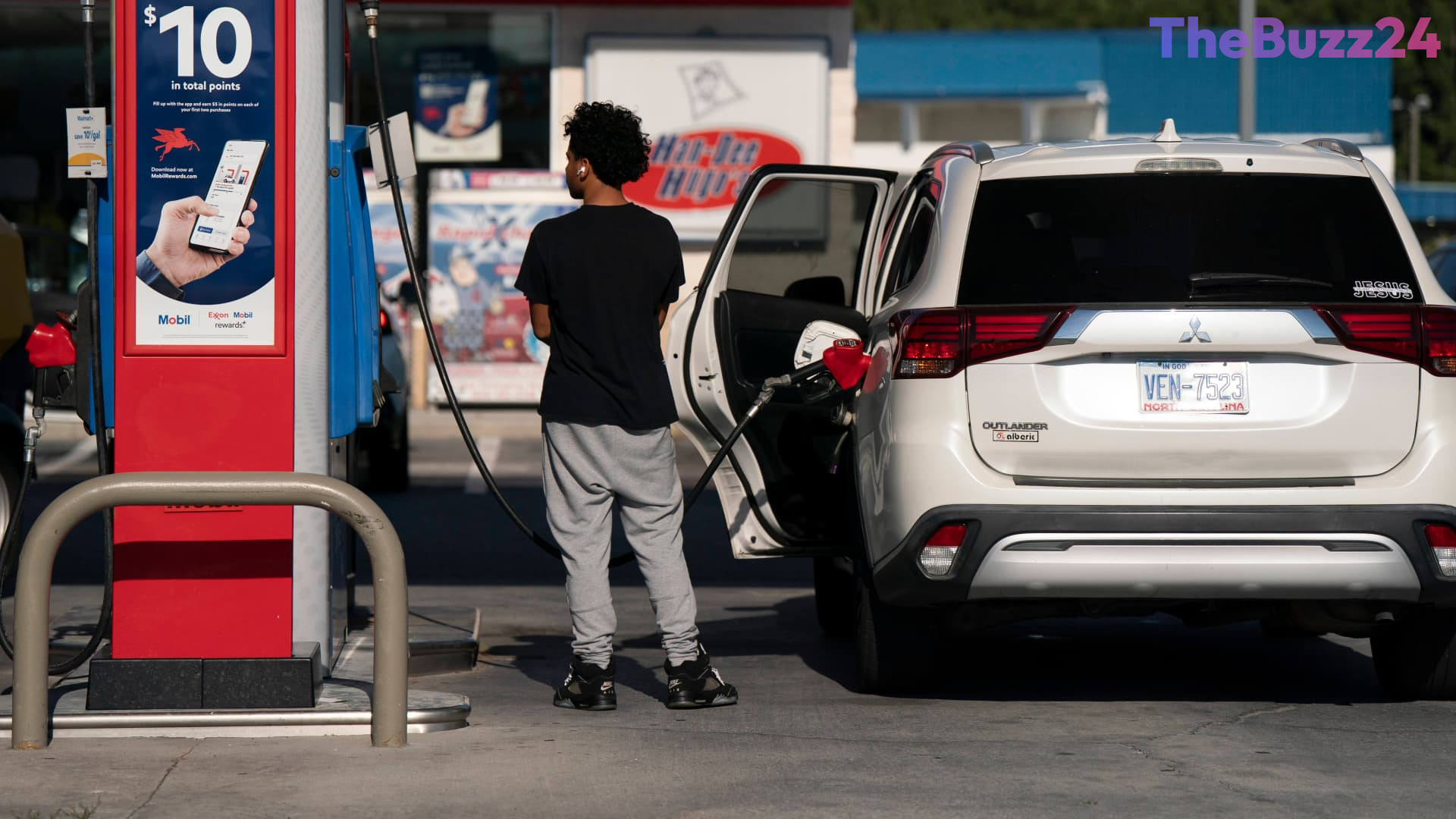
The U.S. consumer price index (CPI) rose by 3.5% in June 2026 compared to the previous year, marking a significant deceleration from the 4.2% annual rate recorded in May. This shift represents the first pullback in annual inflation since January, providing a brief moment of relief for consumers and policymakers alike. The primary driver behind this cooling trend was a notable decline in energy and gasoline prices, which had previously surged due to the ongoing conflict between the United States and Iran.
Despite the positive monthly data, which saw the CPI decline by 0.4%—the largest one-month drop since April 2020—the economic outlook remains fragile. The temporary ceasefire established in mid-June has shown signs of fracturing, with renewed hostilities threatening to destabilize global oil markets once again. As of early July, oil prices have already begun to climb back toward $86 per barrel, reversing the gains made when prices dipped to roughly $73 per barrel during the previous month.
Economists are closely monitoring these developments, as the Federal Reserve relies on these inflation metrics to determine future interest rate adjustments. While the current moderation in prices suggests that the worst of the inflationary spike may have passed, a full-blown escalation in the Middle East could force the central bank to reconsider its stance on borrowing costs. For now, experts suggest that while inflation is trending toward the Fed’s 2% long-term target, the path forward remains heavily dependent on the stability of global energy supplies.
Key Takeaways
- The annual inflation rate slowed to 3.5% in June, down from 4.2% in May, driven largely by a decline in energy and gasoline costs.
- Global oil prices, which dropped to $73 per barrel in June, are rising again due to renewed hostilities between the U.S. and Iran.
- The Federal Reserve's decision on future interest rate hikes remains contingent on whether inflation continues to moderate or if geopolitical instability forces prices back up.
Editor’s Analysis & Impact
The June inflation data presents a classic ‘good news, bad news’ scenario for the U.S. economy. While the headline CPI figures provide evidence that supply-side pressures are easing, the underlying volatility is almost entirely tethered to geopolitical risk. The market is currently in a ‘wait-and-see’ mode; investors are pricing in a potential pause in interest rate hikes, but the sensitivity of oil prices to the U.S.-Iran conflict creates a high-risk environment. If the conflict escalates, the resulting energy price shock could quickly undo the progress made in June, leading to a ‘stagflationary’ environment that would severely complicate the Federal Reserve’s mandate. The long-term outlook remains cautious, as structural issues like cattle supply and trade tariffs continue to exert upward pressure on specific consumer goods, regardless of energy trends.
Frequently Asked Questions
Q: Why did inflation slow down in June 2026?
A: Inflation slowed primarily due to a significant decrease in energy and gasoline prices, which followed a temporary ceasefire in the U.S.-Iran conflict during the month.
Q: How does the conflict with Iran affect U.S. inflation?
A: The conflict impacts global oil supplies. When tensions rise, oil prices increase, which raises the cost of fuel and transportation, eventually filtering through to higher prices for consumer goods and services.
AI Disclosure: This article is based on verified data and official reports. Our Team and AI have cross-referenced every financial detail with primary sources to ensure total accuracy.
More from this Category