Luxury Giant LVMH Navigates Market Cooling as Q1 Growth Slows
LVMH Moët Hennessy Louis Vuitton has encountered a period of deceleration, with its first-quarter sales figures falling slightly short of market projections. The luxury conglomerate reported a 1% increase in organic sales for the quarter ending in March, trailing the 1.5% growth anticipated by industry analysts. Leadership at the firm attributed this performance to a complex global environment, specifically citing geopolitical instability in the Middle East as a significant headwind affecting international market sentiment.
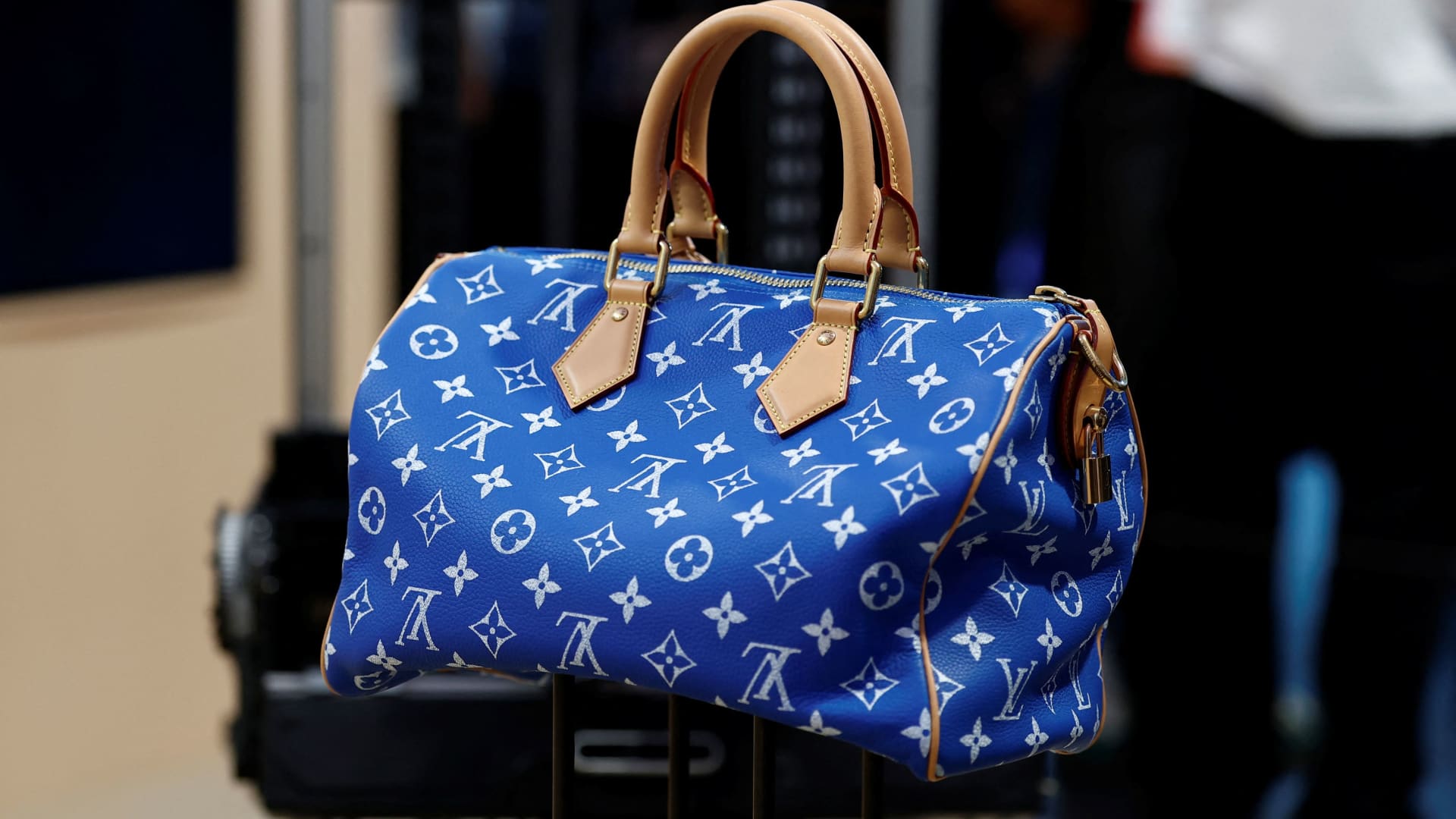
Total revenue for the group reached 19.1 billion euros, though performance varied significantly across its diverse portfolio of brands. The fashion and leather goods division, which includes flagship names such as Louis Vuitton, Dior, and Fendi, saw a 2% decline in constant currencies. In contrast, the watches and jewelry segment emerged as a standout performer, achieving 7% organic growth largely fueled by sustained demand for Tiffany products. The wine and spirits division also provided a buffer, recording a 5% organic increase.
Despite the broader economic pressures, LVMH maintained a resilient presence in the United States and steady growth in Asian markets, excluding Japan. As the luxury sector transitions away from the post-pandemic surge, it faces the dual challenge of managing aggressive price strategies and adapting to evolving consumer preferences. Investors are now closely monitoring the pace of recovery among Chinese consumers and the ability of major luxury houses to sustain brand prestige amidst ongoing global economic volatility.
Key Takeaways
- LVMH organic sales grew by 1%, missing the 1.5% growth target set by analysts.
- Geopolitical instability in the Middle East was identified as a primary factor impacting global sales performance.
- The watches and jewelry division outperformed other sectors with 7% growth, while fashion and leather goods experienced a 2% decline.
Editor’s Analysis & Impact
The latest performance report from LVMH acts as a critical indicator for the broader luxury market, suggesting that the era of explosive post-pandemic growth is reaching a normalization phase. The industry is currently balancing the necessity of maintaining premium price points to preserve brand exclusivity against a more cautious and selective global consumer base. The notable divergence in performance—where heritage jewelry brands like Tiffany are outperforming fashion houses—indicates a shift in consumer behavior toward ‘hard’ luxury assets. Looking ahead, the sector’s trajectory will be heavily influenced by the stabilization of the Chinese market and the capacity of luxury conglomerates to navigate geopolitical shocks. Market participants should anticipate continued volatility as the industry waits to see if other major players face similar pressures in the coming quarters.
Frequently Asked Questions
Q: What factors contributed to LVMH missing its Q1 sales targets?
A: The company cited geopolitical instability in the Middle East as a primary drag on performance, alongside a cooling in demand for its fashion and leather goods division.
Q: Which parts of LVMH's business showed growth during the first quarter?
A: The watches and jewelry segment, driven by Tiffany, saw 7% organic growth, while the wine and spirits division achieved a 5% organic increase.
AI Disclosure: This article is based on verified data and official reports. Our Team and AI have cross-referenced every financial detail with primary sources to ensure total accuracy.
More from this Category