Maritime Crisis: Thousands of Sailors Trapped as Strait of Hormuz Blockade Persists
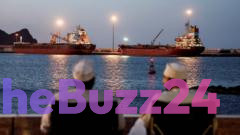
The Strait of Hormuz, a critical artery for global energy supplies, has transformed into a high-stakes maritime prison for approximately 20,000 sailors and 1,600 vessels. Since late February, the waterway—which typically handles one-fifth of the world’s oil and gas—has been effectively shuttered due to the escalating conflict involving Iran, Israel, and the United States. While the surface of the Gulf may occasionally appear calm, the reality for those on board is one of constant vigilance against aerial missiles and underwater mines. The International Maritime Organization (IMO) reports that at least 11 sailors have lost their lives in dozens of verified incidents since the blockade began.
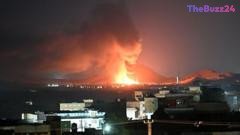
For the crews stranded on the ‘wrong side’ of the strait, the psychological toll is becoming as dangerous as the military threat. Sailors describe a state of perpetual exhaustion, where the silence of the sea is frequently broken by the buzzing of surveillance drones and the crackle of radio warnings. Many crew members have exceeded their contract durations, yet the standard rotations that allow sailors to return home have been suspended. This prolonged isolation, combined with the trauma of witnessing nearby strikes on port infrastructure like Dubai’s Jebel Ali, has led many veteran mariners to question the future of their careers in an increasingly volatile industry.
Logistical challenges are further compounding the misery as summer temperatures in the region climb toward 45°C. While basic supplies can still be ferried from hubs like Abu Dhabi and Kuwait, the cost of essentials has reached extortionate levels. Ship engineers report that the price of water has surged from roughly $2,000 to over $11,000 per delivery, with some suppliers accused of price-gouging desperate crews. Fresh produce has become a luxury, leaving many ships to rely on simplified rations of lentils and frozen meats as they wait for a diplomatic breakthrough that remains elusive.
Diplomatic efforts to clear the passage have largely stalled due to a complex web of sanctions and geopolitical demands. While some vessels from nations like China and India have reportedly secured passage through direct negotiations and the payment of substantial fees, others remain caught in a ‘double crisis.’ For instance, the Bangladeshi government’s attempts to negotiate the release of ships like the Banglar Joyjatra were thwarted when the U.S. threatened sanctions against any entity paying the transit tolls demanded by the Islamic Revolutionary Guard Corps. As long as the blockade remains a tool of international leverage, thousands of mariners remain pawns in a conflict with no clear end in sight.
Key Takeaways
- Approximately 20,000 sailors and 1,600 ships are currently stranded in the Strait of Hormuz due to ongoing military tensions.
- The cost of essential supplies like water has increased by over 500%, placing a massive financial burden on shipping companies.
- International sanctions are complicating rescue efforts, as paying Iranian transit fees risks triggering U.S. secondary sanctions.
Editor’s Analysis & Impact
The blockade of the Strait of Hormuz represents a significant shift in modern warfare where maritime chokepoints are increasingly weaponized to exert economic pressure. This crisis extends beyond immediate regional stability; it threatens the structural integrity of global supply chains. The fact that essential commodities like water are being used as leverage suggests a breakdown in maritime humanitarian norms. Furthermore, the industry faces a looming labor crisis. If seafaring is perceived as a profession where one can be held hostage by geopolitical whims for months without recourse, recruitment and retention will plummet. Moving forward, the international community must establish stronger protections for commercial transit that are insulated from bilateral conflicts, or risk a permanent increase in global shipping costs and insurance premiums.
Frequently Asked Questions
Q: Why is the Strait of Hormuz so important to the global economy?
A: The Strait is the world's most important oil transit chokepoint, with roughly 20% of the world's total oil and liquefied natural gas (LNG) consumption passing through it daily.
Q: What is preventing the trapped ships from leaving?
A: Iran has restricted access to the waterway, and while some ships have been offered passage in exchange for fees, U.S. sanctions prevent many countries and companies from paying those tolls without facing severe legal and financial penalties.
Q: How are the sailors' conditions being monitored?
A: The International Maritime Organization (IMO) and various national governments are tracking the safety and health of the crews, though physical access for supplies and crew rotations remains severely limited by the military blockade.
AI Disclosure: This article is based on verified data and official reports. Our Team and AI have cross-referenced every financial detail with primary sources to ensure total accuracy.
More from this Category