Market Tumbles as AI Enthusiasm Cools and Oil Prices Surge Amid Geopolitical Tensions
U.S. equity futures experienced a significant sell-off on Thursday, with major technology stocks like Meta Platforms and Tesla leading the decline. This downturn reflects growing concerns surrounding the sustainability and capital demands of the artificial intelligence (AI) trade. The broader technology sector also felt the pressure, with companies such as Advanced Micro Devices, Micron Technology, and Nvidia seeing notable drops in their share prices.
Adding to market anxieties, comments from Nvidia CEO Jensen Huang highlighted a “scarcity of capital” within the neocloud segment of AI infrastructure, despite immense demand. This scarcity, coupled with Meta’s substantial AI funding requirements, has spooked investors and reignited worries about the credit markets’ capacity to absorb further risk. Market analysts noted that the positive sentiment from the previous day had reversed overnight, partly due to these AI-related concerns and renewed geopolitical tensions in the Middle East.
Meanwhile, oil prices surged as geopolitical tensions escalated. Reports indicated potential renewed strikes against Iran following the U.S. midterm elections, prompting a jump in both Brent and West Texas Intermediate crude futures. In response to the market volatility and geopolitical uncertainty, investors sought refuge in U.S. Treasurys, driving down bond yields. This broad market movement occurred despite some individual companies reporting strong earnings, such as Lockheed Martin and Procter & Gamble, which raised their full-year forecasts, and a surprisingly low number of initial jobless claims.
Key Takeaways
- U.S. stock futures declined significantly, led by Meta and Tesla, due to concerns over AI spending and capital scarcity.
- Oil prices surged amid rising geopolitical tensions, particularly concerning potential actions against Iran.
- Investors sought safety in U.S. Treasurys as market volatility increased, despite some positive corporate earnings reports.
Editor’s Analysis & Impact
The market’s sharp reaction underscores the delicate balance between technological innovation and financial realities. While the AI revolution promises transformative growth, the current infrastructure build-out appears to be hitting capital constraints, creating a ripple effect across the tech sector. This, combined with escalating geopolitical risks that are driving up oil prices, paints a complex picture for investors. The flight to safety in Treasurys suggests a cautious outlook, as markets grapple with the dual pressures of high-growth tech valuations and global instability. Future market performance will likely depend on how effectively companies can navigate capital challenges and how geopolitical situations evolve.
Frequently Asked Questions
Q: What is causing the current sell-off in tech stocks?
A: The sell-off is primarily driven by concerns over the significant capital required for artificial intelligence (AI) infrastructure development and a perceived scarcity of that capital, as highlighted by Nvidia's CEO. Additionally, some major tech companies like Meta Platforms and Tesla have seen their shares decline despite reporting earnings that met or exceeded expectations, indicating broader market sentiment shifts.
Q: Why are oil prices increasing?
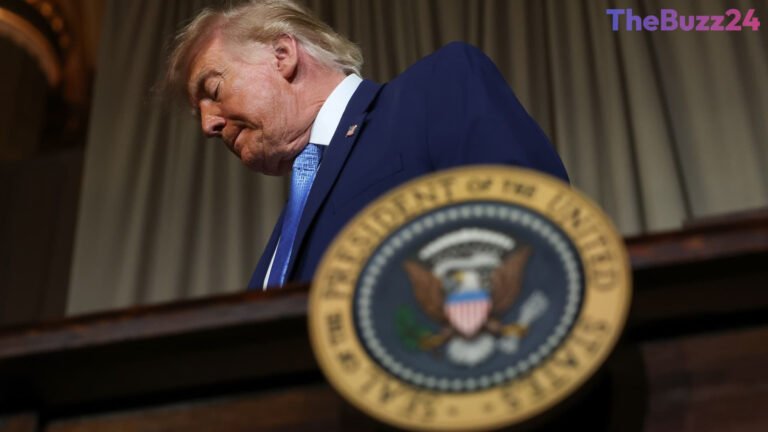
A: Oil prices have surged due to rising geopolitical tensions, particularly reports suggesting potential renewed strikes against Iran. Statements from President Donald Trump also indicated a lack of negotiation with Tehran and hinted at imminent action, further fueling concerns about supply disruptions in the oil market.
Q: What is the significance of the drop in U.S. Treasury yields?
A: The drop in U.S. Treasury yields indicates that investors are moving money into safer assets like government bonds. This is a typical 'flight to safety' response during times of market uncertainty and geopolitical risk, suggesting a decrease in investor appetite for riskier assets such as stocks.
AI Disclosure: This article is based on verified data and official reports. Our Team and AI have cross-referenced every financial detail with primary sources to ensure total accuracy.
More from this Category