Market Volatility Fueled by Unfulfilled Iran Deal Promises
President Donald Trump has repeatedly signaled that a comprehensive peace deal with Iran is imminent, a claim he has made numerous times over the past three months. Despite these consistent assertions, no such agreement has materialized. Nevertheless, financial markets, particularly stocks and oil, continue to react significantly to these pronouncements, demonstrating a persistent hope for de-escalation.
According to a review of public statements and social media posts, President Trump has indicated more than 30 times that a deal is close at hand. This pattern of optimistic declarations, often followed by a lack of concrete progress, has become a recurring theme. While the average citizen might dismiss these claims due to the absence of tangible outcomes, the financial world remains attuned to every signal, especially given the ongoing global energy supply disruptions stemming from the conflict.
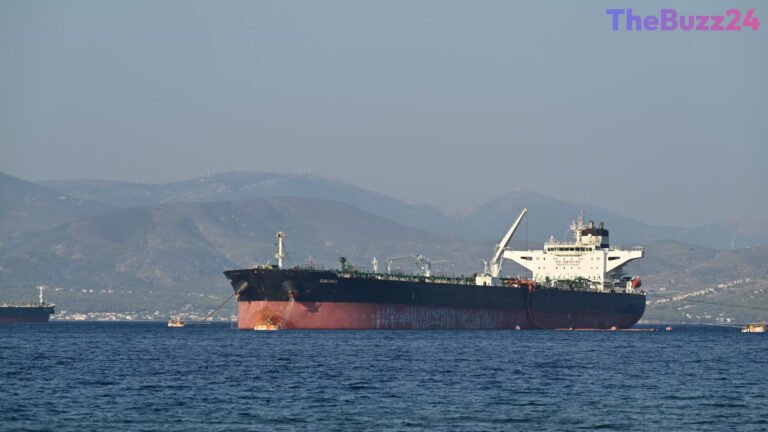
Market analysts suggest that the persistent optimism is driven by the expectation that a deal will eventually be reached, leading to the reopening of the vital Strait of Hormuz shipping route. This anticipation has provided a floor for equities and influenced oil prices, even amidst escalating tensions and military exchanges between the involved parties. The economic pressures on Iran and the political considerations for the U.S. administration are seen by some as incentives favoring a diplomatic resolution.
However, the path to an agreement appears more complex than Trump’s statements suggest. Over the past few months, fragile ceasefires have been undermined by military actions, and public rejections of proposed terms have occurred. This has led to a situation where, despite the market’s hopeful reaction to Trump’s pronouncements, the actual diplomatic distance between Washington and Tehran may have widened. Even some political allies have expressed frustration with the repeated, unfulfilled promises of an imminent deal.
Key Takeaways
- President Trump has repeatedly claimed a peace deal with Iran is imminent, but no agreement has been reached.
- Stock and oil markets continue to react to Trump's optimistic statements, despite a lack of follow-through.
- Geopolitical tensions and economic factors suggest incentives for a deal, but diplomatic progress remains elusive.
Editor’s Analysis & Impact
The persistent disconnect between President Trump’s pronouncements of an imminent Iran deal and the reality on the ground creates a volatile environment for financial markets. While the prospect of de-escalation and the reopening of key shipping routes offers a compelling narrative for investors, the repeated failure to materialize suggests a deeper complexity in the negotiations. This dynamic highlights the market’s sensitivity to geopolitical signals, particularly those emanating from the U.S. presidency, and underscores the risks associated with trading on unconfirmed diplomatic progress. The ongoing uncertainty could continue to fuel price swings in energy and equity markets until a definitive resolution is achieved or the possibility of a deal is definitively off the table.
Frequently Asked Questions
Q: Why do markets react to President Trump's statements about an Iran deal?
A: Markets react because a potential deal could lead to the de-escalation of conflict in a critical region, potentially stabilizing global energy supplies and reopening vital shipping routes like the Strait of Hormuz. This prospect influences oil prices and broader economic sentiment.
Q: What has been the pattern of President Trump's claims regarding an Iran deal?
A: President Trump has frequently stated that a deal is very close, often within days or weeks. However, these claims have not been followed by concrete agreements, and diplomatic progress has been slow or stalled, with periods of increased military activity.
Q: What is the Strait of Hormuz and why is it important?
A: The Strait of Hormuz is a narrow waterway connecting the Persian Gulf and the Gulf of Oman. It is a crucial chokepoint for global oil transportation, with a significant percentage of the world's oil passing through it. Any disruption there can have major impacts on global energy prices.
AI Disclosure: This article is based on verified data and official reports. Our Team and AI have cross-referenced every financial detail with primary sources to ensure total accuracy.
More from this Category