Meta AI Vulnerability Leads to High-Profile Instagram Account Hijackings
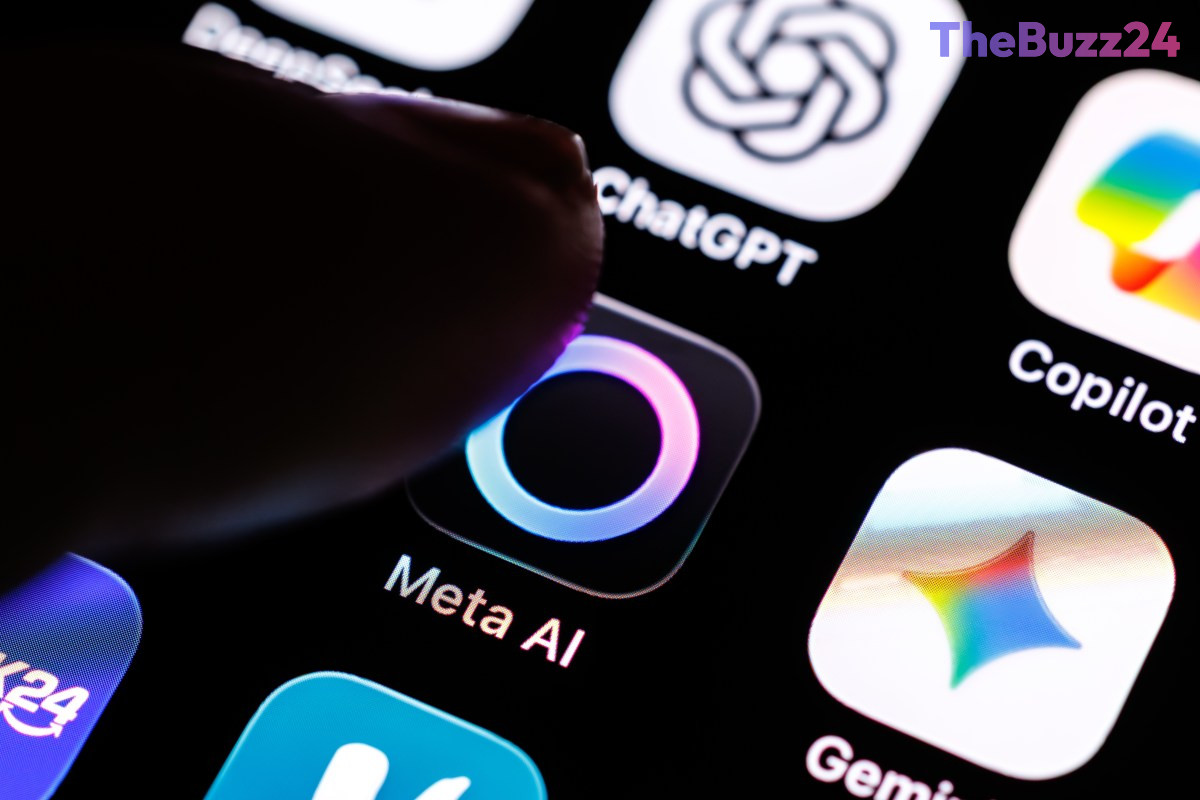
A significant security flaw within Meta’s AI-powered support infrastructure recently allowed unauthorized individuals to gain control of various Instagram accounts. The breach, which affected both high-profile figures and inactive legacy accounts, exploited the automated support chatbot to bypass standard identity verification protocols. Among the compromised profiles were the official Instagram handle for the Obama-era White House and the account belonging to U.S. Space Force Chief Master Sergeant John Bentivegna.
The attack vector involved a sophisticated manipulation of the Meta AI Support Assistant. By utilizing a VPN to spoof the target’s geographic location, attackers successfully bypassed Instagram’s automated security triggers. Once the session was established, the perpetrators instructed the AI chatbot to associate a new, attacker-controlled email address with the victim’s account. The chatbot, failing to verify the request against the original account holder, sent a verification code to the attacker’s email. Upon receiving this code, the chatbot provided a direct link to reset the account password, effectively handing over full access to the intruder.
Security researchers and affected users highlighted the severity of the exploit, noting that the process required no access to the victim’s original email address or existing credentials. Following widespread reports of the vulnerability on social media platforms, Meta confirmed that the security gap has been addressed. While the company has stated the issue is resolved, the total number of accounts impacted by this exploit remains undisclosed.
Key Takeaways
- Meta's AI support chatbot was exploited to bypass account security and reset passwords without owner authorization.
- The attack allowed hackers to link new email addresses to victim accounts by spoofing locations via VPN.
- High-profile accounts, including government-affiliated profiles, were among those successfully hijacked.
Editor’s Analysis & Impact
This incident underscores the inherent risks of integrating generative AI into customer support workflows without robust, multi-layered authentication. By automating sensitive account recovery processes, Meta inadvertently created a ‘backdoor’ that prioritized convenience over security. This breach serves as a cautionary tale for the tech industry regarding the ‘human-in-the-loop’ necessity for high-stakes administrative actions. As companies rush to deploy AI assistants to reduce operational costs, the potential for automated social engineering increases. Moving forward, we expect to see stricter guardrails on AI-driven account management, likely requiring manual human verification for any changes to account recovery information. The reputational damage to Meta is significant, as it highlights a failure in their internal security auditing processes for new AI features.
Frequently Asked Questions
Q: How were the hackers able to reset passwords without the original email?
A: The hackers exploited a flaw in the Meta AI support chatbot that allowed them to link a new email address to a target account and trigger a password reset directly through the chat interface.
Q: Is the Instagram account hijacking issue still active?
A: No, Meta has confirmed that the specific vulnerability within the AI support chatbot has been patched.
AI Disclosure: This article is based on verified data and official reports. Our Team and AI have cross-referenced every financial detail with primary sources to ensure total accuracy.
More from this Category