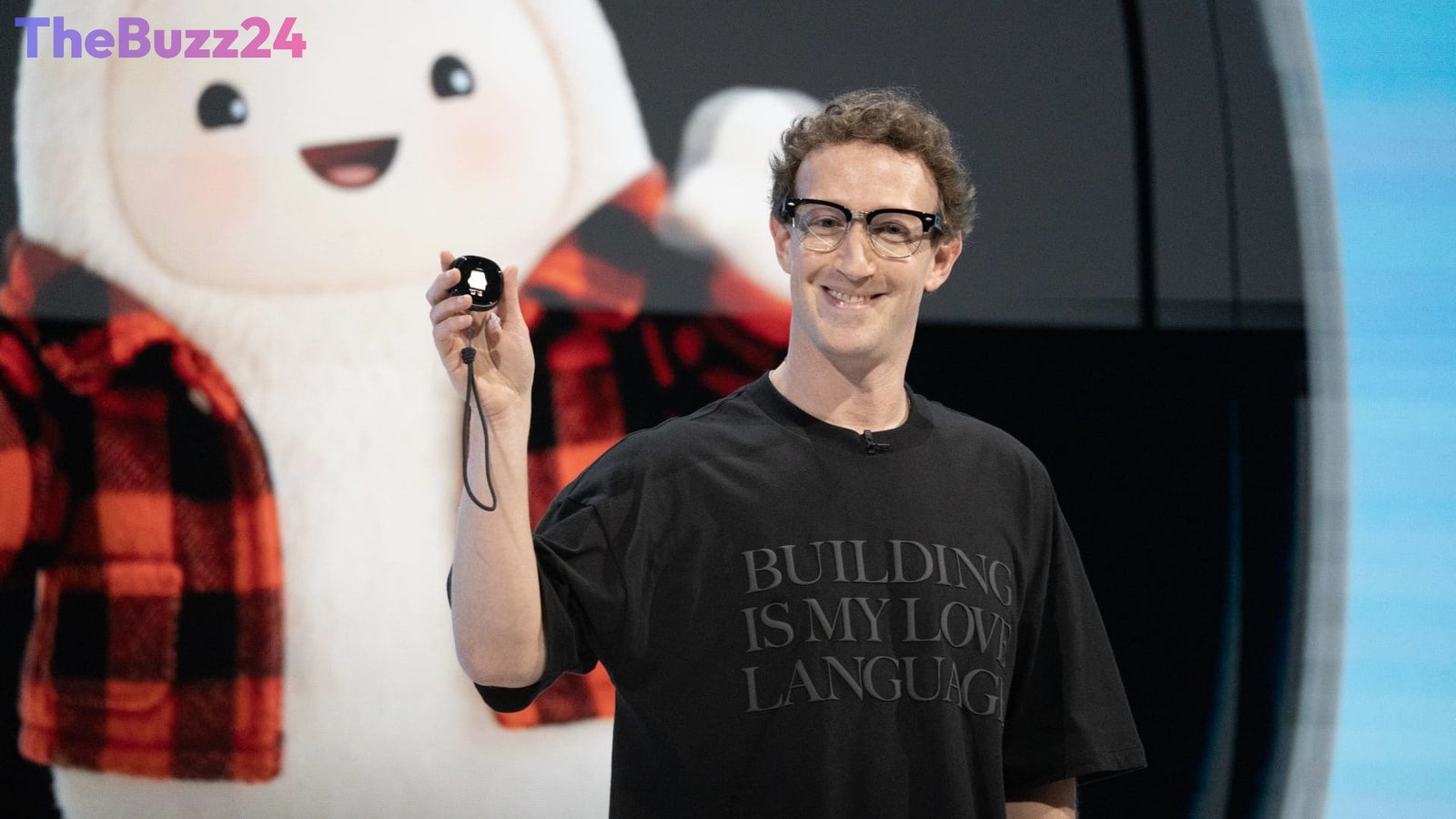
Meta Unveils Muse Charm, Aiming to Lead Consumer AI Hardware Race Ahead of OpenAI
Meta is making a bold move into the consumer AI hardware market with its newly revealed Muse Charm device, positioning itself to potentially outpace rivals like OpenAI and Google. CEO Mark Zuckerberg, while offering limited specifics on the device’s capabilities, has signaled a significant strategic push to integrate AI deeply into Meta’s hardware ecosystem.
The Muse Charm, described as a keychain-like pendant, is part of Zuckerberg’s broader vision to reduce Meta’s dependence on platforms like Apple for user access and to establish Meta’s own AI agent, Muse, as a central component of its future offerings. The company announced at its Connect conference that it anticipates over 100 styles of AI glasses by 2026, with the Muse Charm offering a new, accessible form factor for interacting with its AI.
Meta’s entry into the generative AI space has been more recent compared to established players like OpenAI and Google. However, with Muse, the company aims to capture market share by offering a personal assistant capable of managing tasks such as email correspondence, travel bookings, and online shopping. This strategic pivot appears to be resonating with investors, as Meta’s stock saw a notable increase following the announcement, reflecting confidence in Zuckerberg’s AI-driven hardware strategy, despite past challenges with the metaverse.
The Muse Charm, still in development with final design and component placement pending, is slated for a potential holiday season release. It aims to provide quick access to the Muse AI agent, which is designed for contextual understanding and rapid action, going beyond simple query responses. This move comes as OpenAI is also rumored to be preparing its own hardware product, setting the stage for a competitive landscape in the emerging AI device sector.
Key Takeaways
- Meta has launched the Muse Charm, a new AI-powered pendant device, aiming to gain an early lead in the consumer AI hardware market.
- The Muse Charm is designed to provide quick access to Meta's AI agent, Muse, which functions as a personal assistant for various tasks.
- Meta's strategy with Muse Charm and other AI hardware aims to reduce reliance on third-party platforms and establish its own ecosystem, with investors showing positive reception.
Editor’s Analysis & Impact
Meta’s aggressive push into consumer AI hardware with the Muse Charm signifies a strategic gamble to redefine user interaction with technology. By attempting to bypass established app distribution channels and create its own hardware-centric AI experience, Meta is betting on a future where AI agents are seamlessly integrated into daily life through dedicated devices. While the market’s appetite for such gadgets remains to be seen, especially given the ubiquity of smartphones, Meta’s investment and Zuckerberg’s commitment suggest a long-term vision. The success of Muse Charm will hinge not only on its functionality and user adoption but also on Meta’s ability to establish a viable monetization model, potentially through transaction fees, while navigating potential resistance from e-commerce platforms.
Frequently Asked Questions
Q: What is the Meta Muse Charm?
A: The Meta Muse Charm is a new AI-powered pendant device announced by Meta. It is designed to provide users with quick and easy access to Meta's AI agent, Muse, which acts as a personal assistant for tasks like managing emails, booking travel, and shopping.
Q: How does Meta plan to make money from the Muse Charm and Muse AI?
A: Meta plans to generate revenue primarily by taking a small fee from transactions completed through the Muse AI agent. The product itself is expected to be free for most users.
Q: When will the Muse Charm be available?
A: Meta is still finalizing the design and components for the Muse Charm, with the company aiming for a potential release in time for the holidays. However, a firm release date has not yet been announced.
AI Disclosure: This article is based on verified data and official reports. Our Team and AI have cross-referenced every financial detail with primary sources to ensure total accuracy.
More from this Category