Rising Bond Yields Force Federal Reserve Into Delicate Balancing Act
A sudden surge in Treasury yields has placed the Federal Reserve in a complex policy dilemma, forcing central bank officials to weigh whether aggressive interest rate hikes are necessary to combat stubborn inflation. As long-term borrowing costs climb, driven by persistent price pressures and massive capital investments in emerging technologies, financial markets are rapidly pricing in a more restrictive monetary path than anticipated earlier in the year.
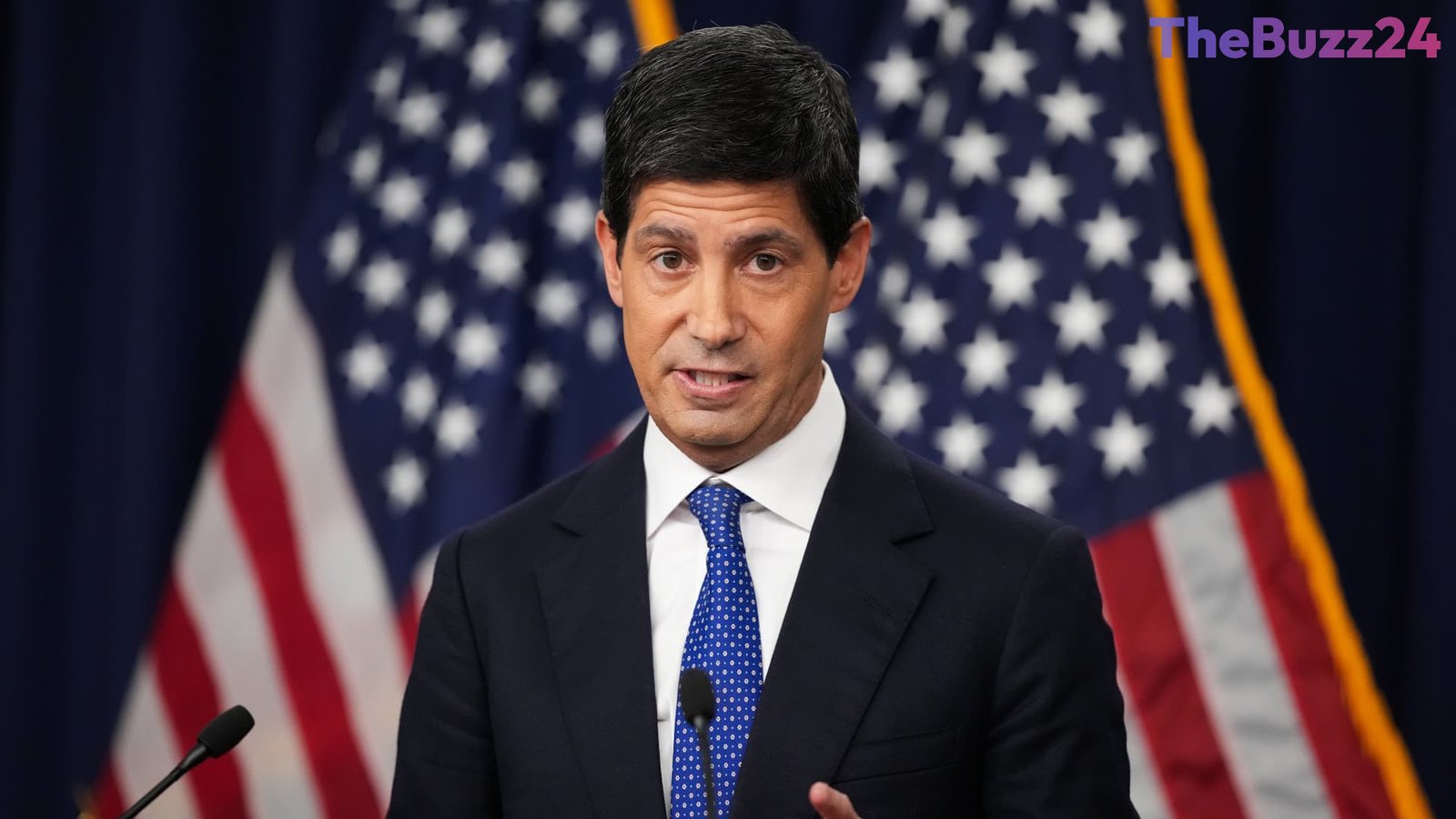
The shifting landscape has complicated the central bank’s strategy, particularly as policymakers navigate an environment where traditional forward guidance has taken a backseat. Federal Reserve Chairman Kevin Warsh has signaled a willingness to closely monitor financial market signals to guide policy decisions. This approach contrasts sharply with the post-2008 era of heavily telegraphed rate paths, leaving investors and analysts debating how strongly the central bank should react to the recent spike in bond yields.
Opinions among financial strategists remain sharply divided on the proper course of action. Some economic models suggest that higher yields and prolonged investment cycles could demand a more aggressive tightening cycle to fully restore price stability. Conversely, other market observers argue that current expectations are overly reactive to short-term geopolitical tensions and energy price fluctuations, advising a more patient, data-dependent approach from policymakers.
Ultimately, the Federal Reserve faces a narrow path forward. Over-tightening risks choking off ongoing economic expansion and labor market stability, while under-tightening could erode the central bank’s hard-earned credibility on inflation control. As officials evaluate incoming economic data, the tension between market demands and internal central bank deliberation will heavily influence monetary policy decisions in the coming months.
Key Takeaways
- Surging Treasury yields are forcing the Federal Reserve to rethink its monetary policy stance amid persistent inflation and high energy prices.
- Markets are aggressively pricing in multiple upcoming rate hikes, marking a sharp pivot from earlier projections of an imminent easing cycle.
- Federal Reserve leadership faces a crossroads between tightening policy to preserve credibility and exercising patience to avoid stalling economic growth.
Editor’s Analysis & Impact
The current friction between surging bond yields and the Federal Reserve’s policy framework highlights a pivotal moment for global financial markets. Chairman Kevin Warsh’s reliance on market signals rather than rigid forward guidance introduces a new layer of volatility, as investors attempt to second-guess central bank intentions. If inflationary pressures from prolonged technology and infrastructure investments prove durable, the Fed may be compelled into a more aggressive tightening cycle than consensus currently expects. However, moving too fast risks tipping the broader economy into a slowdown. Moving forward, the interplay between debt issuance, structural investment booms, and central bank credibility will dictate asset allocation and market stability.
Frequently Asked Questions
Q: Why are Treasury yields surging?
A: Treasury yields are climbing due to inflation lingering above the Fed's 2% target, rising energy prices, and heavy debt issuance tied to large-scale investments in sectors like artificial intelligence.
Q: How has Federal Reserve leadership changed its approach?
A: Under Chairman Kevin Warsh, the Fed has leaned more toward letting financial market signals guide monetary policy, moving away from the strict forward-guidance models used in previous years.
Q: What is the main dilemma facing policymakers?
A: Policymakers must balance the risk of tightening too much and slowing economic growth against the danger of tightening too little and losing credibility in the fight against inflation.
AI Disclosure: This article is based on verified data and official reports. Our Team and AI have cross-referenced every financial detail with primary sources to ensure total accuracy.
More from this Category