Federal Reserve Chairman Kevin Warsh Faces Resistance and Market Pressures as Overhaul Takes Shape
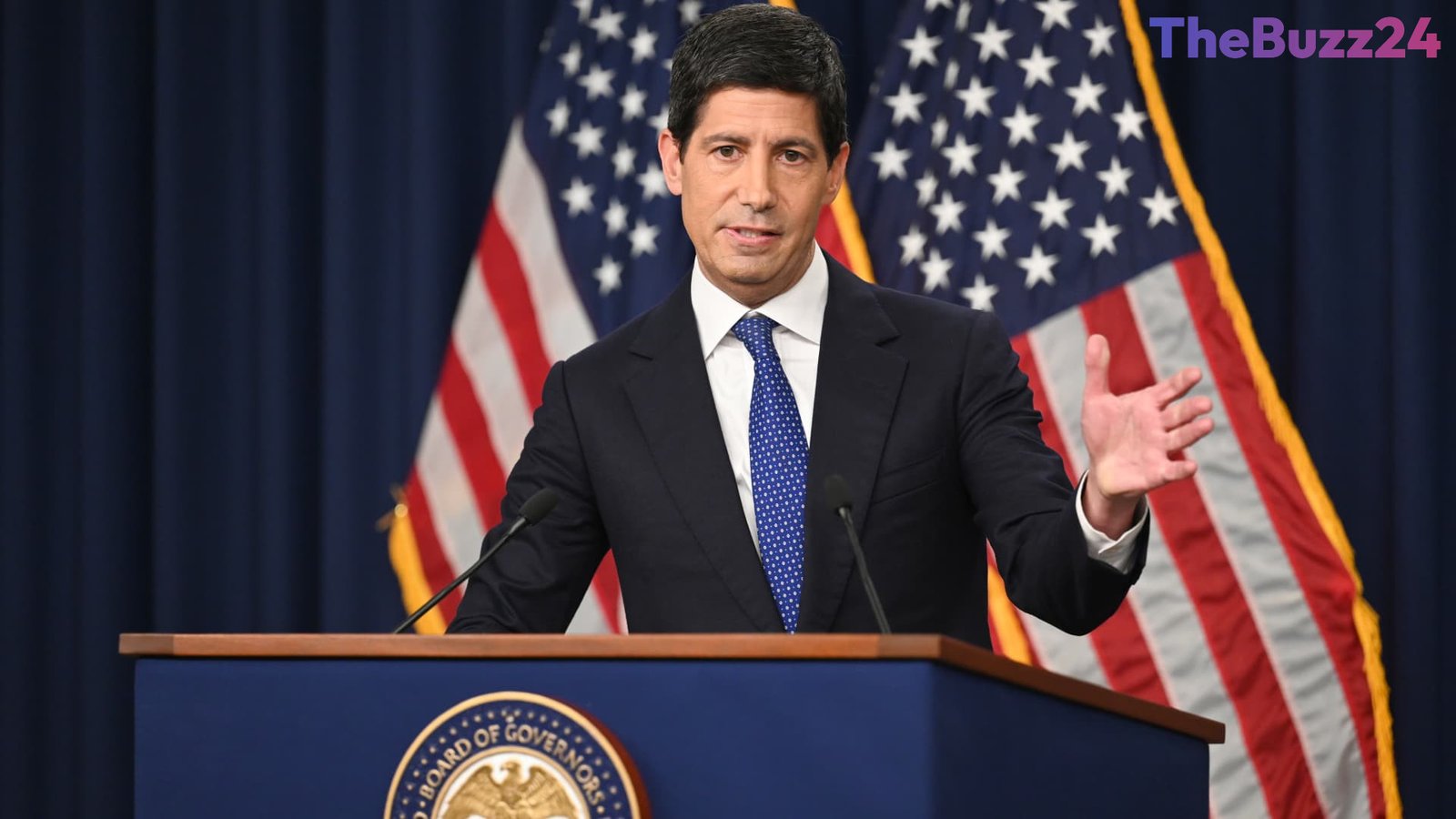
Federal Reserve Chairman Kevin Warsh is rapidly reshaping the central bank’s communication strategy and policy framework, prioritizing broad financial market conditions over traditional forward guidance. Since taking the helm, Warsh has introduced visible adjustments, including streamlining post-meeting press conferences and restructuring reporter seating arrangements. However, these cosmetic updates mask a deeper philosophical departure from previous leadership approaches, signaling a notable shift in how the central bank interprets economic signals and dictates monetary policy.
Despite his swift action on communication protocols, Warsh’s broader institutional ambitions—particularly his long-standing goal of shrinking the multi-trillion-dollar balance sheet—have faced delays. Persistent inflation, which has remained above the central bank’s targeted benchmark, and cautious colleagues on the Federal Open Market Committee have forced a more measured approach. Rather than acting unilaterally, Warsh has appointed internal task forces to thoroughly examine existing practices, with findings expected early next year. Meanwhile, recent interest rate adjustments and market indicators suggest that traders are anticipating further monetary tightening if inflationary pressures fail to subside.
The chairman’s rejection of traditional concepts like the ‘neutral rate’ has drawn scrutiny from economists and central banking peers. Instead of evaluating policy through theoretical benchmarks, Warsh relies heavily on a comprehensive suite of market indicators, ranging from asset prices and credit availability to commodity fluctuations and foreign exchange values. While this granular methodology draws comparisons to historical Fed leadership styles, it also creates friction with colleagues who remain hesitant to abandon conventional forecasting models entirely. As the central bank navigates ongoing economic uncertainties, Warsh must balance his vision for structural reform with the realities of building consensus among committee members.
Key Takeaways
- Fed Chairman Kevin Warsh is shifting the central bank's focus toward broad financial conditions rather than traditional forward guidance.
- Larger structural reforms, such as shrinking the Fed's balance sheet, are progressing slowly due to persistent inflation and internal committee caution.
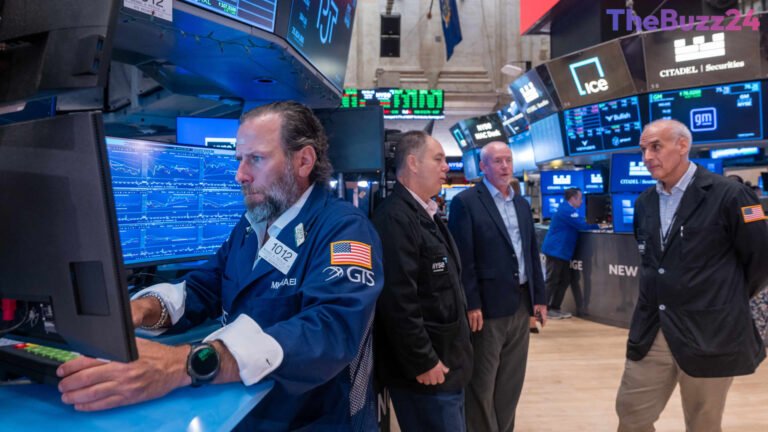
- Market indicators and surging commodity prices suggest traders are heavily pricing in the possibility of additional interest rate increases.
Editor’s Analysis & Impact
Federal Reserve Chairman Kevin Warsh’s early tenure marks a fascinating psychological and structural pivot for American monetary policy. By discarding traditional academic crutches like the ‘neutral rate’ in favor of raw, multi-sector market indicators, Warsh is attempting to modernize how the central bank diagnoses economic health. However, his heavy reliance on subjective financial conditions risks creating a feedback loop where market expectations dictate policy actions rather than objective data. Furthermore, the friction between Warsh’s aggressive vision and his colleagues’ institutional caution highlights the inherent difficulty of enacting swift regime change within a legacy central banking structure. As inflation persists and the balance sheet remains bloated, the ultimate success of Warsh’s framework will depend on his ability to forge consensus without sacrificing credibility in the eyes of Wall Street.
Frequently Asked Questions
Q: What major changes has Kevin Warsh introduced at the Federal Reserve?
A: Warsh has overhauled the central bank's communication strategy by abandoning traditional forward guidance, shortening post-meeting news conferences, and shifting the focus of monetary policy toward a broad array of financial market indicators rather than theoretical neutral rates.
Q: Why has the reduction of the Fed's balance sheet been delayed?
A: Shrinking the balance sheet has faced delays due to pressing concerns over persistent inflation, a surging commodity market, and resistance from fellow committee members who prefer to wait for findings from newly appointed internal task forces.
Q: How are markets reacting to the new Fed leadership style?
A: Wall Street is signaling expectations for additional rate hikes, with treasury yields and market pricing reflecting a strong probability of further monetary tightening in the near term.
AI Disclosure: This article is based on verified data and official reports. Our Team and AI have cross-referenced every financial detail with primary sources to ensure total accuracy.
More from this Category