Supreme Court Upholds Trump Administration’s Expanded Voter Verification Database
The U.S. Supreme Court has cleared the way for the administration of President Donald Trump to resume using an expanded immigration database designed to verify the citizenship status of registered voters. In a decision issued by its conservative majority, the high court granted a request from the Justice Department to lift a lower court order that had previously barred state officials from cross-referencing voter rolls with federal records using Social Security numbers and other identifiers.
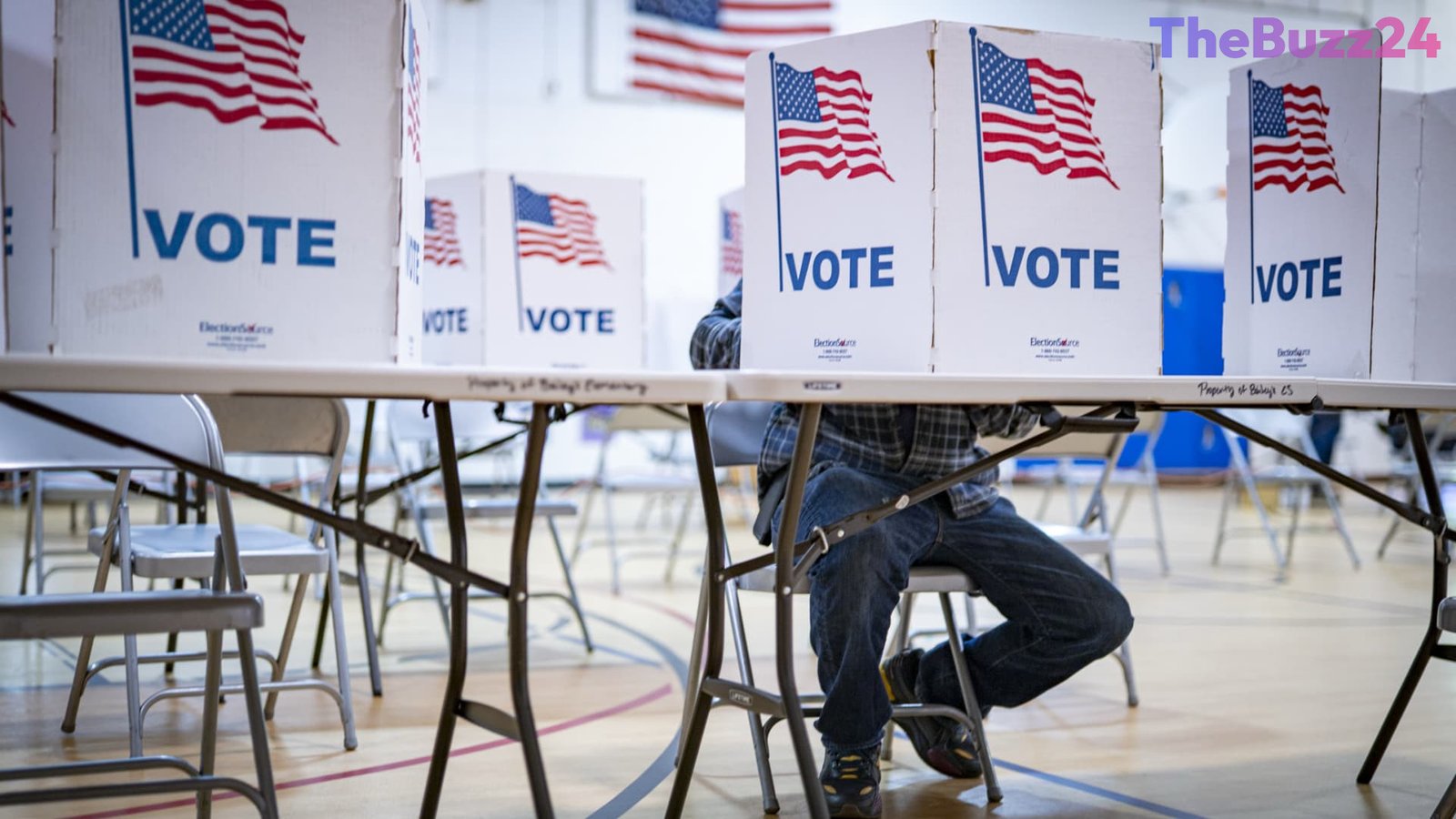
The underlying legal dispute centers on a redesigned federal system known as the Systematic Alien Verification for Entitlements (SAVE). Originally managed by the Department of Homeland Security, the database was updated to allow bulk searches and the use of Social Security numbers. Following the revamp, multiple Republican-led states began comparing their registered voter lists against the database, resulting in the cancellation of registrations for individuals flagged as potential noncitizens.
Opponents of the expanded database, including voting rights organizations and privacy advocates, immediately condemned the Supreme Court’s decision. Plaintiffs argued that the SAVE system suffers from high error rates and outdated information, warning that naturalized U.S. citizens and other eligible voters face a severe risk of wrongful disenfranchisement. Pointing to past local discrepancies—such as high rates of erroneous matches in jurisdictions like Texas and Missouri—critics asserted that the database is unreliable and violates federal privacy laws.
Conversely, administration officials and supporting states defended the initiative as a crucial measure to protect election integrity and prevent noncitizens from casting ballots. The Supreme Court’s majority sided with the government’s stance, noting that federal law permits the Department of Homeland Security to share citizenship information with other agencies. Meanwhile, the court’s liberal minority dissented, emphasizing that the potential harm of disenfranchising even a few lawful voters outweighs the government’s interest in implementing the contested verification measures.
Key Takeaways
- The U.S. Supreme Court lifted a lower court order, allowing the Trump administration to use an expanded immigration database for voter verification.
- The modified SAVE system allows states to cross-reference voter rolls using Social Security numbers and bulk search capabilities.
- Voting rights advocates warn that the database contains high error rates that could wrongfully disenfranchise naturalized U.S. citizens.
Editor’s Analysis & Impact
The Supreme Court’s decision to allow the continued use of the expanded SAVE database highlights the ongoing legal and political battles surrounding voter roll maintenance and election integrity in the United States. As federal and state authorities push for more aggressive verification methods ahead of electoral cycles, the tension between preventing noncitizen voting and safeguarding the rights of eligible, naturalized citizens intensifies. Industry analysts note that while supporters view these databases as essential tools for administrative accuracy, critics and civil rights organizations remain deeply concerned about potential systemic errors, data reliability, and the broader implications for voter suppression and public trust in democratic institutions.
Frequently Asked Questions
Q: What is the SAVE database?
A: SAVE stands for Systematic Alien Verification for Entitlements, a federal database managed by the Department of Homeland Security used to verify citizenship and immigration status.
Q: Why did advocacy groups sue to block the modified SAVE system?
A: Advocacy groups argued that the revamped database contains outdated information and high error rates, leading to the wrongful purging of eligible naturalized citizens from voter rolls.
Q: What was the basis of the Supreme Court's decision?
A: The court's majority concluded that federal law explicitly authorizes the Department of Homeland Security to share citizenship and immigration information with other agencies.
AI Disclosure: This article is based on verified data and official reports. Our Team and AI have cross-referenced every financial detail with primary sources to ensure total accuracy.
More from this Category