Middle East Tensions Surge as US and Iran Exchange Air Strikes Amid Stalled Ceasefire
Military confrontations between the United States and Iran have intensified significantly, spreading across the Persian Gulf region and threatening vital global shipping lanes. Tehran launched retaliatory drone operations targeting American military outposts throughout the Middle East following consecutive nights of targeted airstrikes by US forces. Explosions rocked various strategic points along Iran’s coastlines and inland regions, resulting in casualties and infrastructure damage.
The hostilities have rapidly widened to involve neighboring nations and allied territories. Aerial alarms echoed across Bahrain and Jordan, while a drone incident prompted a temporary suspension of operations at a major international airport in Iraq. Furthermore, Iranian authorities retaliated with strikes directed at positions in Kuwait. These developments unfold against a backdrop of mounting economic and diplomatic friction, particularly regarding Washington’s proposal to utilize frozen Iranian financial reserves to cover maritime damages incurred in the Strait of Hormuz.
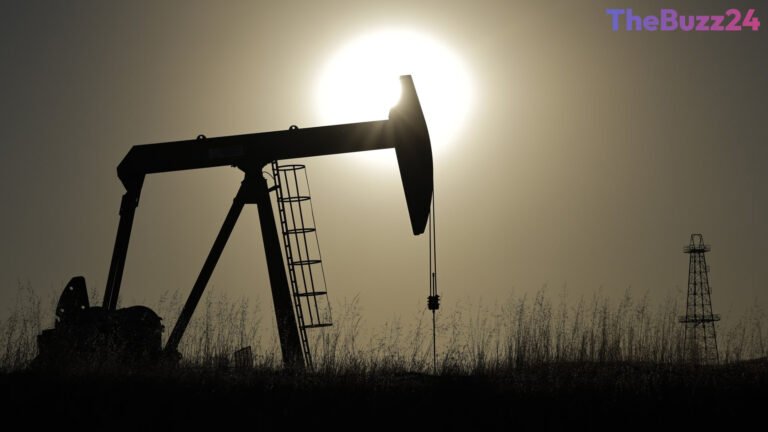
The breakdown of a short-lived diplomatic framework has further fueled the crisis. Earlier agreements aimed at halting military operations and reopening critical waterways collapsed weeks after implementation, following renewed attacks on commercial cargo vessels. Compounding these regional instabilities, renewed threats from Yemen-based, Iran-aligned factions have directly impacted Red Sea maritime traffic, driving global crude oil benchmarks above the $100 per barrel threshold. Leadership in Washington has since signaled readiness for expanded combat operations to safeguard commercial shipping and deter further regional aggression.
Key Takeaways
- Iran carried out drone strikes on US military facilities across the Middle East in retaliation for ongoing American airstrikes.
- Global crude oil prices surged past $100 a barrel amid escalating threats to vital shipping lanes in the Gulf and Red Sea.
- Diplomatic efforts collapsed after a recent ceasefire agreement broke down, with leadership warning of potential major military escalations.
Editor’s Analysis & Impact
The direct military exchange between the United States and Iran marks a critical inflection point for global energy markets and geopolitical stability. The immediate surge in crude oil prices past the $100 threshold underscores how vulnerable global supply chains remain to Middle Eastern conflict, particularly concerning critical chokepoints like the Strait of Hormuz and the Red Sea. If hostilities persist, central banks and energy-dependent economies will face renewed inflationary pressures. The breakdown of diplomatic frameworks suggests that market participants should price in sustained geopolitical risk premiums for the foreseeable future, as the prospect of a prolonged military campaign increases the likelihood of supply disruptions.
Frequently Asked Questions
Q: What triggered the latest escalation between the US and Iran?
A: The recent escalation was triggered by the collapse of a 14-point memorandum of understanding, followed by renewed attacks on commercial vessels in the Strait of Hormuz and subsequent retaliatory US airstrikes.
Q: How have the hostilities affected global oil markets?
A: Growing threats to regional shipping lanes and commercial vessels have pushed crude oil prices back above $100 a barrel, reaching their highest level in months.
Q: What is the dispute regarding frozen assets?
A: The US proposed using frozen Iranian financial assets held in its possession to pay for damages inflicted on ships and cargo in the Strait of Hormuz, a move strongly condemned by Iranian officials as an incendiary precedent.
AI Disclosure: This article is based on verified data and official reports. Our Team and AI have cross-referenced every financial detail with primary sources to ensure total accuracy.
More from this Category