Milan’s Historic Bull Mosaic Undergoes Urgent Repairs Following Tourist Wear
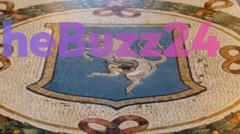
The iconic bull mosaic situated within Milan’s Galleria Vittorio Emanuele II is currently undergoing a specialized restoration process to address significant structural damage. The artwork, a centerpiece of the 19th-century arcade, has suffered from years of physical degradation caused by a popular tourist ritual. Visitors frequently engage in a tradition that involves placing their heels on the bull’s anatomy and spinning three times, a gesture widely believed to bring good luck and guarantee a return trip to the city.
This repetitive friction has resulted in a deep, visible crater in the mosaic, wearing down the original pink tiles to the point of structural failure. City officials have highlighted that the artwork, which serves as a symbolic representation of Turin, has become a victim of its own immense popularity. The constant foot traffic and grinding motion have necessitated professional intervention to prevent further deterioration of the historic site.
Artisan Gianluca Galli has been tasked with the delicate restoration, which involves hand-cutting new stone pieces to replace the damaged sections of the mosaic. This project marks the latest effort to maintain the site, which last underwent major repairs in 2017. As Milan continues to draw millions of visitors, the city faces an ongoing challenge in balancing the preservation of its cultural heritage with the realities of high-volume tourism.
Key Takeaways
- The historic bull mosaic in Milan is being restored due to damage caused by a popular tourist good-luck ritual.
- Constant friction from visitors spinning on the mosaic has created a deep crater, requiring professional stone replacement.
- City officials are struggling to balance the preservation of the 19th-century artwork with the heavy foot traffic of modern tourism.
Editor’s Analysis & Impact
The restoration of the bull mosaic highlights a growing tension between cultural preservation and the demands of ‘over-tourism’ in major European hubs. As historic sites become social media landmarks, the physical toll on centuries-old architecture increases exponentially. This incident serves as a microcosm for the broader challenges faced by heritage management teams globally, who must now implement more rigorous maintenance schedules or consider restrictive measures to protect public art. Moving forward, cities like Milan may need to adopt more aggressive conservation strategies, potentially including protective barriers or digital alternatives to physical rituals, to ensure that these cultural assets survive for future generations. The economic benefit of tourism is clear, but the long-term cost of repairing ‘living’ history is becoming a significant line item for municipal budgets.
Frequently Asked Questions
Q: Why is the bull mosaic in Milan being restored?
A: The mosaic is being restored because years of tourists spinning their heels on the bull's anatomy—a ritual for good luck—have worn down the tiles and created a deep crater in the artwork.
Q: How often does the mosaic require restoration?
A: The mosaic requires periodic professional intervention due to high foot traffic; the last major restoration of the site took place in 2017.
AI Disclosure: This article is based on verified data and official reports. Our Team and AI have cross-referenced every financial detail with primary sources to ensure total accuracy.
More from this Category