Minimum Wage Hikes Face Unexpected Headwinds as Voters Prioritize Affordability
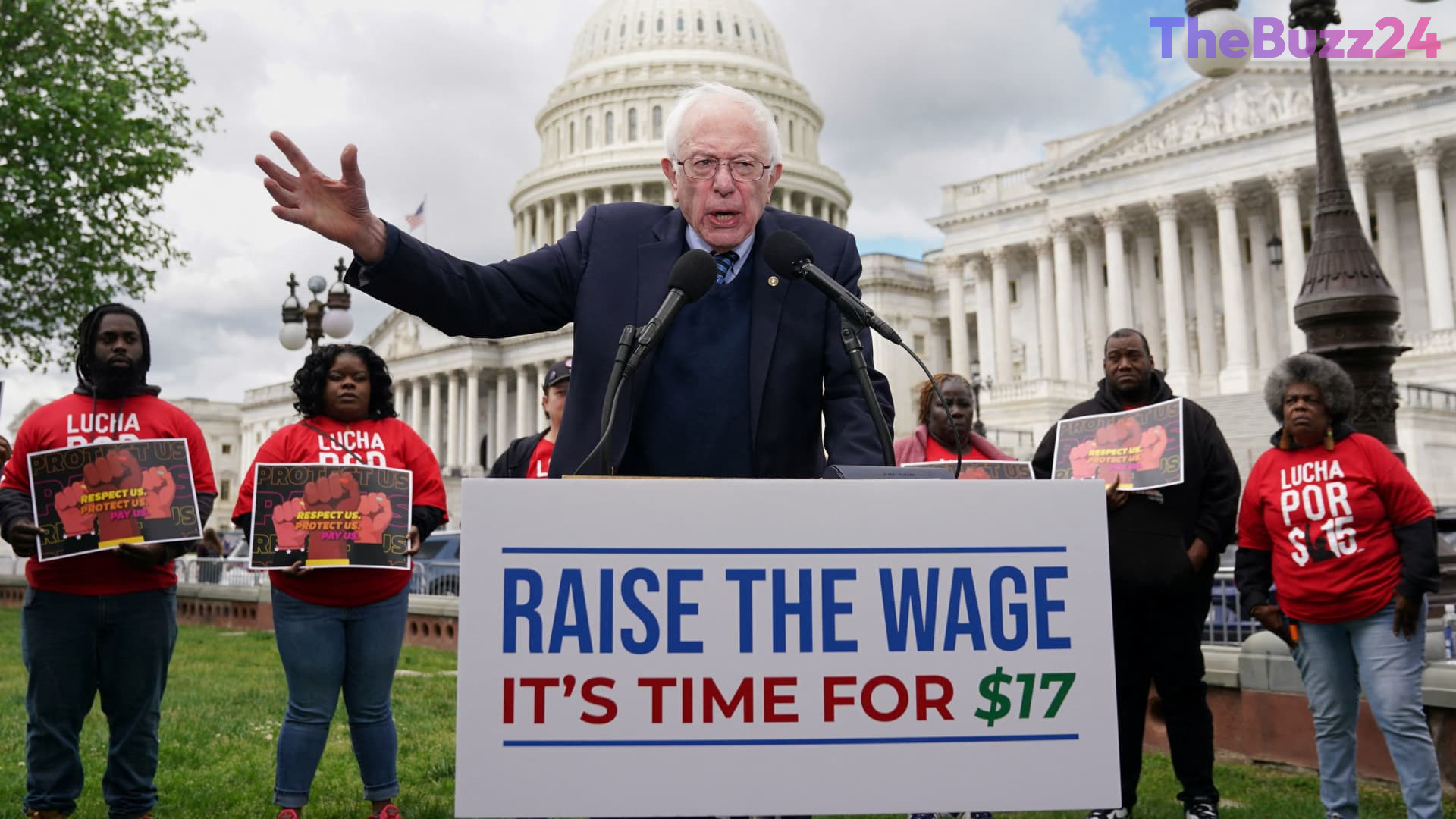
A recent ballot measure in Oklahoma, aimed at significantly raising the state’s minimum wage, was decisively rejected by voters, signaling a potential shift in public sentiment regarding such initiatives. State Question 832 proposed an immediate increase from the current $7.25 per hour—a rate unchanged for nearly two decades—to $12 per hour, with further incremental raises to reach $15 per hour by 2029. However, the measure failed by over 10 percentage points, with approximately 55% of voters casting a ‘No’ vote, marking a rare statewide defeat for a policy that has historically seen widespread success at the ballot box.
Opposition to SQ 832 was largely fueled by concerns over inflation and the rising cost of living. Critics, including Oklahoma Governor Kevin Stitt, argued that such a substantial wage hike would burden private businesses, particularly small enterprises, and negatively impact the state’s rural economies. Chad Warmington, president and CEO of the State Chamber of Oklahoma, emphasized that voters chose to protect the state’s economic momentum and its competitive advantage of affordability, which is currently 14% lower than the U.S. average. Messaging against the measure highlighted fears of increased costs for goods and services, potentially eroding the state’s low cost of living.
Conversely, proponents of the measure, such as Oklahoma Labor Commissioner Leslie Osborn, contended that the current $7.25 hourly wage is insufficient for basic necessities like groceries and gas, arguing that the increase was about dignity, not excessive wealth. Despite these arguments, the outcome in Oklahoma mirrors recent rejections in traditionally left-leaning states like California and Massachusetts, where similar minimum wage increases were spurned due to comparable concerns about inflation and economic stability. This trend suggests a growing caution among voters, even in areas historically supportive of progressive economic policies.
Groups advocating for the wage increase expressed disappointment, attributing the loss partly to the timing of the election during party primaries, which typically sees lower voter turnout, and significant spending by opposition groups. While minimum wage initiatives have historically enjoyed strong support, with 25 out of 25 state ballot measures passing between 1996 and 2022, the recent string of rejections in diverse states like Oklahoma, California, and Massachusetts indicates a potential turning point. Future attempts to raise the minimum wage will likely face increased scrutiny, with voter sentiment heavily influenced by the prevailing economic climate and concerns over affordability.
Key Takeaways
- Oklahoma voters rejected a ballot measure (SQ 832) to raise the state's minimum wage from $7.25 to $15 per hour by 2029, a rare statewide defeat for such an initiative.
- The primary reasons for opposition included concerns over inflation, the potential for increased cost of living, and negative impacts on small businesses and rural economies.
- This rejection, alongside similar outcomes in California and Massachusetts, suggests a potential shift in public sentiment regarding minimum wage increases, contrasting with a decade of consistent ballot box victories.
Editor’s Analysis & Impact
The recent rejection of a minimum wage hike in Oklahoma, following similar outcomes in California and Massachusetts, marks a significant shift in the national discourse surrounding labor policy. For businesses, particularly small and medium-sized enterprises, this trend offers a reprieve from anticipated increases in labor costs, potentially easing inflationary pressures on their operational budgets. However, it could also exacerbate challenges in attracting and retaining talent in low-wage sectors, as workers continue to seek livable wages amidst rising costs.
The future outlook for minimum wage advocacy appears more challenging. Campaigns will likely need to more robustly address voter concerns about inflation and economic stability, rather than relying solely on arguments of fairness and dignity. This evolving sentiment could slow the broader movement towards a national $15 minimum wage, influencing legislative agendas and future ballot initiatives across the country. The broader implication is a growing tension between worker demands for improved living standards and economic anxieties about affordability and business viability, reflecting a more complex economic landscape.
Frequently Asked Questions
Q: What was the proposed minimum wage increase in Oklahoma?
A: State Question 832 aimed to raise Oklahoma's minimum wage from its current $7.25 per hour to $12 per hour immediately, with further incremental increases to reach $15 per hour by 2029.
Q: Why did Oklahoma voters reject the minimum wage measure?
A: Voters largely rejected the measure due to concerns about inflation, the potential for increased cost of living, and the negative impact a significant wage hike could have on small businesses and the state's overall affordability.
Q: Is the rejection of minimum wage increases a new trend?
A: Yes, this rejection, alongside similar outcomes in states like California and Massachusetts, indicates a potential shift in public sentiment. Historically, minimum wage ballot initiatives have almost always passed, but recent economic conditions and inflation fears appear to be influencing a more cautious approach from voters.
AI Disclosure: This article is based on verified data and official reports. Our Team and AI have cross-referenced every financial detail with primary sources to ensure total accuracy.
More from this Category