Monterrey Deploys High-Tech Security, Robotic Patrols for 2026 FIFA World Cup
As the 2026 FIFA World Cup approaches, the Mexican city of Monterrey is unveiling a sophisticated security strategy designed to ensure the safety of attendees and residents. The city, set to host four of Mexico’s thirteen tournament matches, is integrating cutting-edge technology and substantial law enforcement resources into its preparations.
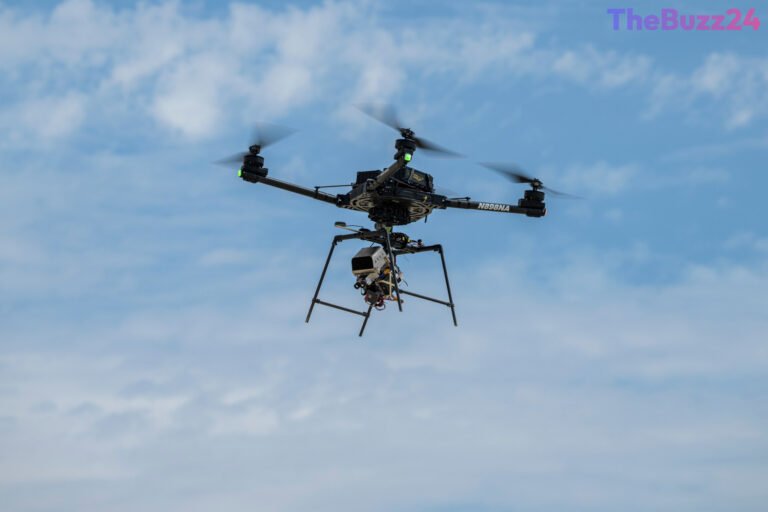
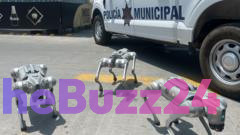
Central to Monterrey’s security plan are robotic dogs, which will conduct patrols in the vicinity of the stadium. These autonomous units will complement a human-operated central command center, tasked with real-time monitoring of activities across the entire city. Furthermore, the local police department will leverage an impressive fleet, including two Black Hawk helicopters and 90 armored vehicles, to maintain order and respond to any incidents throughout the global sporting event.
Mexico is slated to host a total of 13 matches during the 2026 FIFA World Cup, making it a significant co-host alongside the United States and Canada. Monterrey’s selection as a key venue underscores its importance and the commitment to providing a secure environment for the international spectacle. The comprehensive security measures reflect a proactive approach to managing large-scale events in an increasingly complex global landscape.
Key Takeaways
- Monterrey is implementing advanced security measures, including robotic dogs and a central command center, for the 2026 FIFA World Cup.
- The city's police force will utilize significant assets, such as Black Hawk helicopters and 90 armored vehicles, during the tournament.
- Monterrey will host four of the thirteen World Cup matches taking place in Mexico, highlighting its crucial role in the event.
Editor’s Analysis & Impact
The deployment of robotic dogs and advanced surveillance systems by Monterrey for the 2026 FIFA World Cup signals a growing trend towards integrating high-tech solutions into large-scale event security. This move could set a new precedent for future international sporting events, emphasizing proactive monitoring and rapid response capabilities. The substantial investment in both technology and traditional law enforcement assets reflects the increasing complexity of security challenges. This approach not only aims to deter potential threats but also to enhance operational efficiency, potentially influencing how other host cities plan their security protocols. The success of these measures in Monterrey will be closely watched, potentially accelerating the adoption of similar technologies globally for major public gatherings.
Frequently Asked Questions
Q: What specific advanced technologies will Monterrey use for World Cup security?
A: Monterrey plans to deploy robotic dogs for patrols around the stadium and operate a central command center for real-time city-wide monitoring.
Q: How many World Cup matches will Monterrey host?
A: Monterrey is scheduled to host four of the thirteen FIFA World Cup matches taking place in Mexico during the 2026 tournament.
Q: What traditional law enforcement resources will be available?
A: The Monterrey police department will have two Black Hawk helicopters and 90 armored vehicles at its disposal for the duration of the World Cup.
AI Disclosure: This article is based on verified data and official reports. Our Team and AI have cross-referenced every financial detail with primary sources to ensure total accuracy.
More from this Category