Multi-State Coalition Files Lawsuit Challenging Administration’s Sweeping Global Tariffs
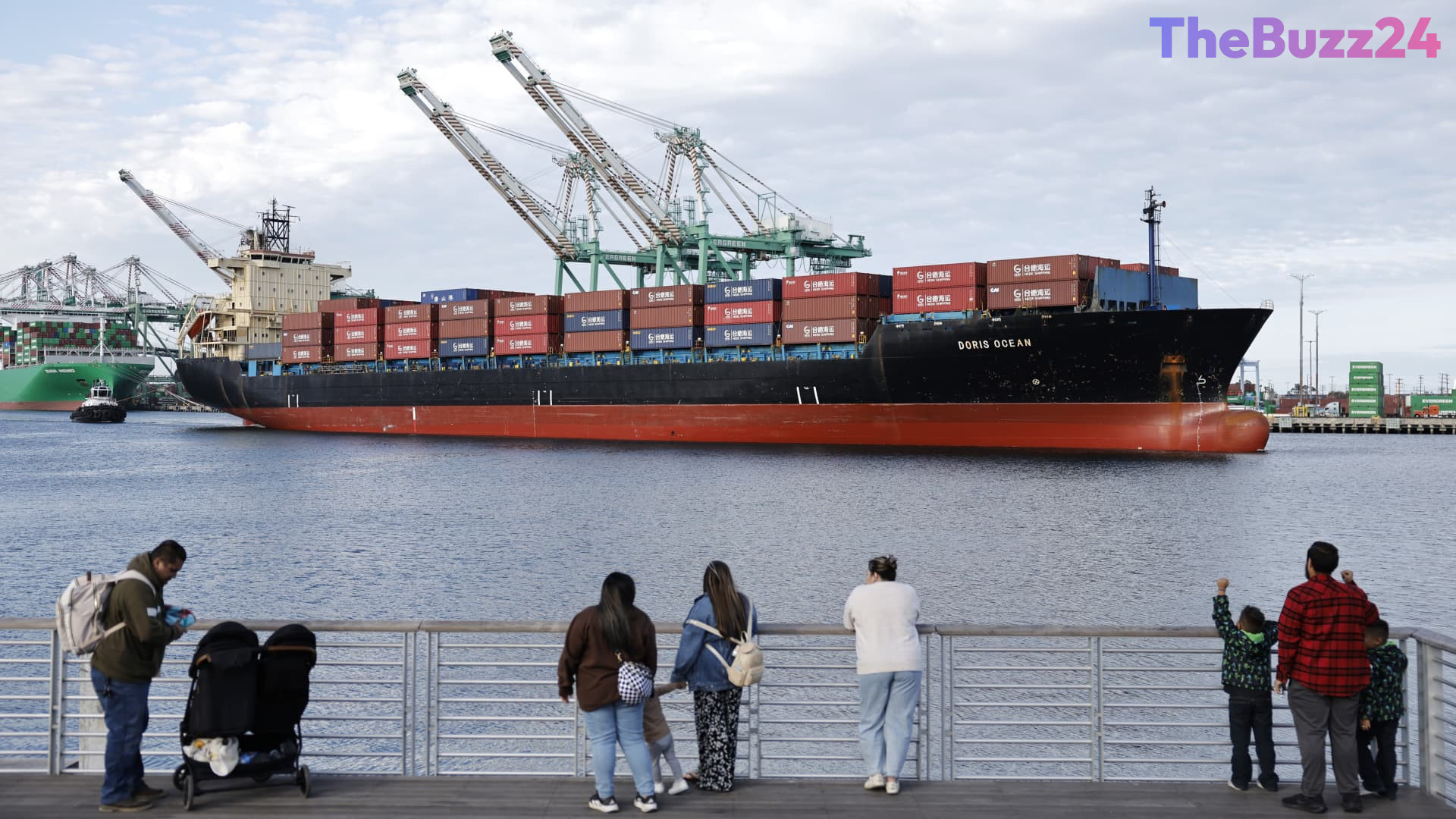
A coalition comprising 25 states has formally initiated legal action against the federal government, seeking to block and invalidate a recent round of broad tariffs affecting dozens of international trading partners. Filed in the U.S. Court of International Trade, the lawsuit targets duties ranging from 10% to 12.5% imposed on the vast majority of goods imported into the United States from approximately 60 economies.
The participating states argue that the administration overstepped its legal boundaries by utilizing Section 301 of the Trade Act of 1974. According to the legal challenge, federal officials improperly used forced-labor concerns as a pretext to rapidly reconstruct a sweeping global tariff framework remarkably similar to previous iterations that had already faced rejection by federal courts, including the Supreme Court. State officials contend that the expedited investigations lacked the specific, tailored justifications required by federal trade law.
Representatives for the administration have vigorously defended the measures, asserting that the tariffs represent a lawful and necessary exercise of executive authority to combat unfair foreign trade practices and supply chains linked to forced labor. The White House maintains that these trade tools are legally sound and vital for safeguarding domestic commerce and American workers from unreasonable economic burdens originating abroad.
Beyond halting the implementation of the duties, the multi-state lawsuit requests that the court order full financial refunds for any tariffs already paid by state entities. Local leaders argue that the blanket levies function effectively as an indirect tax on consumers and businesses, threatening to drive up the costs of essential household goods, groceries, and construction materials while disrupting international supply chains.
Key Takeaways
- Twenty-five states filed a lawsuit in the U.S. Court of International Trade to halt and overturn the latest administration tariffs.
- The legal challenge argues that Section 301 was improperly used as a pretext to recreate previously rejected global tariff regimes.
- The administration defends the 10% to 12.5% duties as a lawful tool to address unfair trade practices and forced labor in global supply chains.
Editor’s Analysis & Impact
The legal battle over the administration’s latest tariff strategy highlights an ongoing constitutional struggle between the executive branch and state-level coalitions over federal trade powers. By attempting to pivot from previously invalidated statutes to Section 301, the administration is testing the durability of traditional trade authorities in the face of aggressive judicial and state pushback. If successful, the multi-state lawsuit could significantly constrain how the executive branch utilizes emergency and retaliatory trade measures. Conversely, a victory for the administration would solidify Section 301 as a flexible, albeit controversial, mechanism for enacting sweeping economic policies, leaving importers and global supply chains to navigate a volatile regulatory landscape for the foreseeable future.
Frequently Asked Questions
Q: Which court is handling the lawsuit filed by the 25 states?
A: The lawsuit was filed in the U.S. Court of International Trade.
Q: What legal justification did the administration provide for the tariffs?
A: The administration argued it used Section 301 of the Trade Act to target foreign countries and the European Union for failing to prevent goods made with forced labor from entering supply chains.
Q: What are the states asking the court to do?
A: The states want the court to halt the tariffs, declare them unlawful, and order refunds for any duties already paid.
AI Disclosure: This article is based on verified data and official reports. Our Team and AI have cross-referenced every financial detail with primary sources to ensure total accuracy.
More from this Category