Prediction Markets Signal Deep Skepticism Over Near-Term U.S.-Iran Nuclear Deal Despite De-escalation
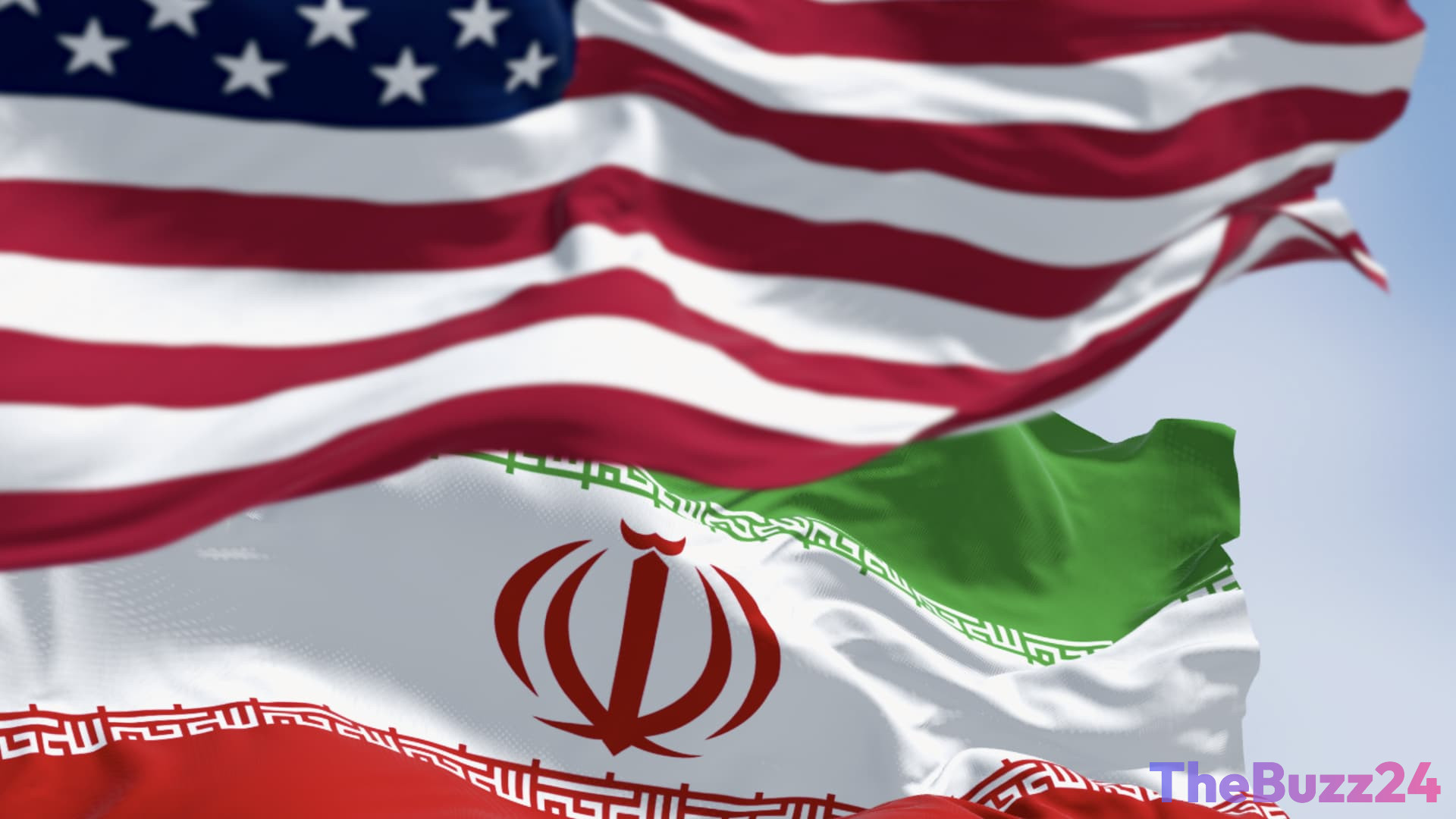
Despite recent diplomatic shifts and a sudden halt to planned military action, prediction market traders remain highly skeptical about the prospects of a near-term nuclear agreement between the United States and Iran. On the prediction platform Kalshi, contract odds for a deal being finalized anytime soon remain stubbornly low, reflecting deep-seated doubts about a diplomatic breakthrough despite a sudden easing of military tensions.
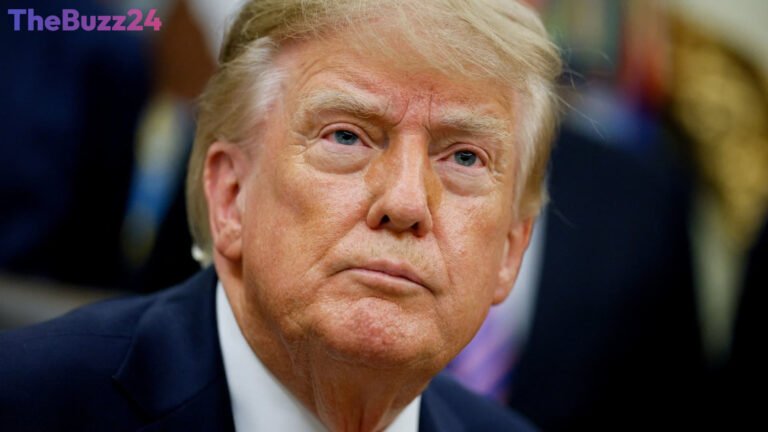
The probability of a nuclear pact saw a temporary bump after President Donald Trump announced on Truth Social that he had called off scheduled military strikes against Iran. The decision to halt the strikes reportedly came at the behest of regional players, including Saudi Arabia, the United Arab Emirates, Qatar, and Iran itself. Following this announcement, Kalshi traders raised the probability of a deal occurring before January 2027 to 29%, up from a mere 17%. Similarly, the odds for an agreement before March 2027 climbed to over 40%, doubling from the previous day’s 20%.
Despite these marginal increases, confidence in a swift resolution remains weak. Trump’s assertion that the two nations would resume negotiations was quickly met with pushback from Tehran. Iranian Foreign Ministry spokesman Esmail Baghaei clarified during a press conference that there were no immediate plans for talks with the U.S. Consequently, almost all of Kalshi’s market contracts tracking the timeline of a nuclear deal remain below the 50% threshold, with the sole exception of the most distant target date of January 2029.
The geopolitical de-escalation immediately reverberated through global energy markets. Oil prices experienced a sharp decline following the cancellation of the military strikes and the prospect of renewed diplomacy. West Texas Intermediate (WTI) crude futures plunged by 6%, slipping below the $80 per barrel mark, while Brent crude futures dropped by more than 4%.
Key Takeaways
- Prediction market traders place the probability of a U.S.-Iran nuclear deal before 2027 at under 30%, signaling long-term skepticism despite recent de-escalation.
- Geopolitical tensions eased slightly after President Trump canceled planned military strikes against Iran, reportedly following diplomatic interventions by Gulf nations.
- Global oil prices reacted sharply to the news, with WTI crude falling below $80 a barrel and Brent crude dropping over 4%.
Editor’s Analysis & Impact
The divergence between political rhetoric and prediction market data highlights the deep complexities of U.S.-Iran relations. While President Trump’s decision to call off military strikes and suggest upcoming negotiations provided a brief moment of optimism, the immediate denial of planned talks by Iran’s Foreign Ministry underscores the entrenched distrust between the two nations. For energy markets, this geopolitical volatility remains a primary driver of price fluctuations. The sharp drop in oil prices reflects relief that an immediate military conflict was avoided, but the underlying uncertainty will likely keep energy markets on edge. Prediction markets like Kalshi serve as a unique barometer of public and investor sentiment, showing that while short-term catastrophic escalation may have been averted, the path to a comprehensive diplomatic resolution remains long, arduous, and highly improbable before the end of the decade.
Frequently Asked Questions
Q: Why did the odds of a U.S.-Iran nuclear deal temporarily rise?
A: The odds rose after President Trump announced he had called off planned military strikes against Iran, which traders interpreted as a shift toward diplomacy.
Q: How did Iran respond to reports of upcoming negotiation talks?
A: Iran's Foreign Ministry spokesman Esmail Baghaei stated that there were no immediate plans for negotiations with the United States, contradicting suggestions of imminent talks.
Q: What impact did these geopolitical developments have on the energy market?
A: Global oil prices fell significantly, with West Texas Intermediate (WTI) dropping 6% to under $80 a barrel and Brent crude declining by more than 4% due to reduced fears of immediate military conflict.
AI Disclosure: This article is based on verified data and official reports. Our Team and AI have cross-referenced every financial detail with primary sources to ensure total accuracy.
More from this Category