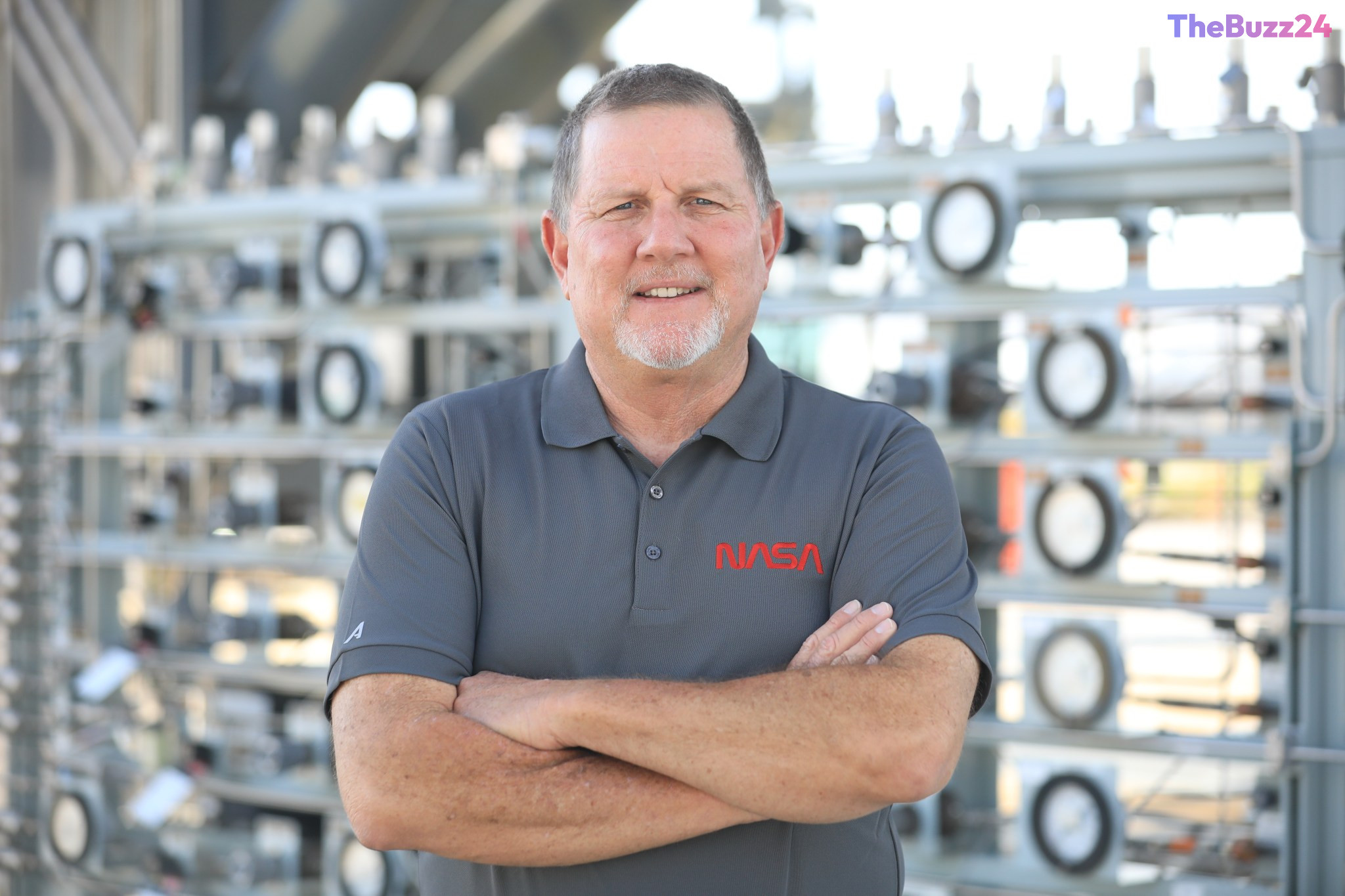
NASA Strengthens Internal Engineering Core by Transitioning Veteran Contractors to Civil Service
NASA is actively fortifying its internal technical infrastructure by transitioning essential personnel from contract-based roles to permanent civil service positions. This strategic shift is designed to consolidate core engineering competencies directly within the agency, ensuring that critical expertise remains embedded in the organization’s long-term operational framework. A notable example of this transition is Kenny Heckle, the mechanical operations lead at the Kennedy Space Center’s Launch Equipment Test Facility (LETF), who was recently sworn in as a civil servant.
Heckle brings over 40 years of experience to his new permanent role, having started his career at the Kennedy Space Center in 1984. His extensive background includes navigating the agency through the aftermath of the Space Shuttle Challenger and Columbia accidents, as well as providing hands-on troubleshooting for recent Artemis mission preparations, including complex liquid hydrogen leak resolutions. His deep institutional knowledge is considered a vital asset as the agency continues to push the boundaries of modern space exploration.
The decision to bring the LETF team in-house reflects a broader directive to enhance technical readiness for high-stakes initiatives like the Space Launch System (SLS) and the Artemis program. By reducing reliance on external vendors for specialized engineering tasks, NASA aims to streamline procurement processes, minimize bureaucratic friction, and foster a more agile environment for implementing complex engineering solutions. This move signals a commitment to maintaining direct control over the technical challenges inherent in the next generation of space flight.
Key Takeaways
- NASA is shifting key technical staff from contract roles to permanent civil service positions to retain institutional knowledge.
- Veteran mechanical operations lead Kenny Heckle is among the first to transition, bringing four decades of experience to the permanent team.
- The move aims to streamline engineering operations and reduce bureaucratic delays for critical missions like Artemis and the Space Launch System.
Editor’s Analysis & Impact
This strategic pivot by NASA highlights a growing trend among government agencies to reclaim ‘core competencies’ that were previously outsourced to private contractors. By internalizing specialized engineering roles, NASA is effectively de-risking its mission-critical operations. In an era where space exploration is becoming increasingly competitive and technically demanding, the ability to maintain a permanent, highly skilled workforce provides a significant advantage in agility and safety. This transition likely signals a long-term shift in how the agency manages its human capital, prioritizing institutional memory and direct oversight over the flexibility of contract labor. As the Artemis program progresses, the success of this model could influence how other federal agencies approach technical staffing, potentially leading to a broader trend of insourcing specialized labor to ensure mission success in high-stakes environments.
Frequently Asked Questions
Q: Why is NASA transitioning contractors to civil service roles?
A: The transition is intended to consolidate core technical expertise within the agency, reduce bureaucratic hurdles, and ensure greater control over engineering solutions for complex missions like Artemis.
Q: What is the significance of the Launch Equipment Test Facility (LETF) in this move?
A: The LETF is a critical site for testing machinery and designs for launch programs; by bringing the team in-house, NASA ensures that the specialized skills required for these high-stakes operations remain directly under agency management.
AI Disclosure: This article is based on verified data and official reports. Our Team and AI have cross-referenced every financial detail with primary sources to ensure total accuracy.
More from this Category