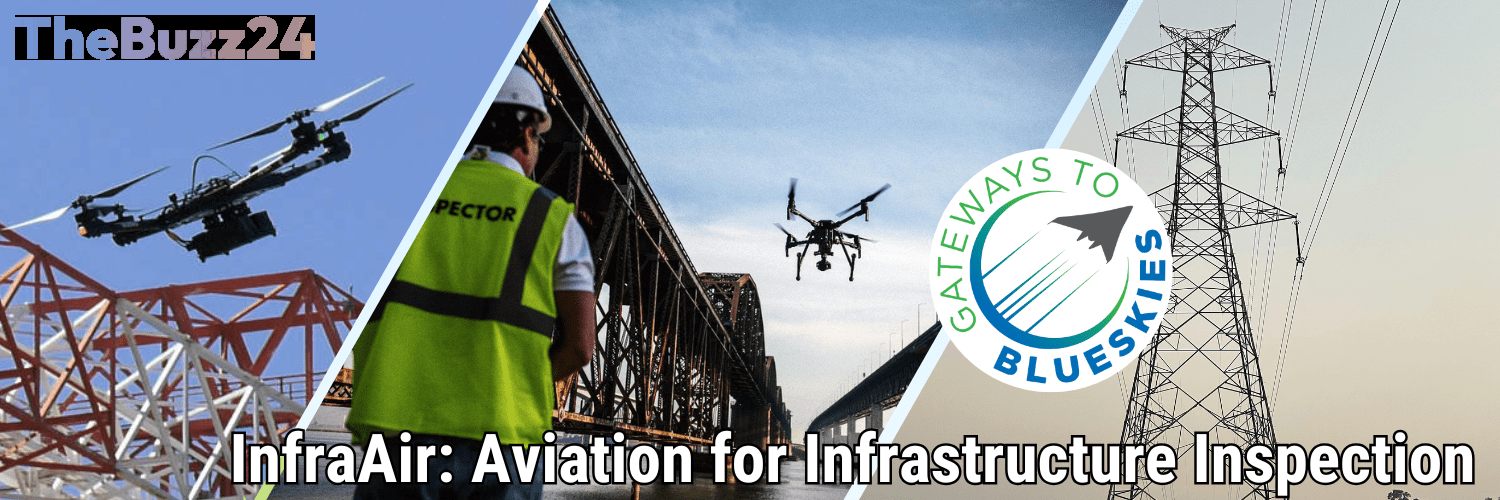
NASA Challenges Students to Reimagine Infrastructure Inspection with Drones
NASA is calling on university students to develop innovative aerial solutions for inspecting the nation’s critical infrastructure. The latest Gateways to Blue Skies competition challenges multidisciplinary teams to conceptualize how aircraft can enhance the safety, reliability, and cost-effectiveness of examining vital structures like bridges and tunnels by 2035.
Recognizing infrastructure as the bedrock of the national economy and daily life, the space agency highlights the inherent difficulties in current inspection methods. Large-scale structures such as highways, railways, and power grids are often hard to access, requiring disruptive shutdowns or exposing workers to dangerous conditions like extreme heights and confined spaces. As the nation’s infrastructure ages and expands, the need for advanced, airborne inspection technologies becomes increasingly apparent.
Steven Holz, the competition lead at NASA’s Langley Research Center, emphasized the growing demand for creative aerial solutions. “The time is ripe for innovative students to transform how we work with our critical infrastructure, and this competition gives talented students the opportunity to do so,” Holz stated. The competition, funded by NASA’s University Innovation Project, aims to engage a diverse range of students from various academic backgrounds and levels, fostering a broad pool of talent to tackle this complex challenge.
The competition is structured in two phases, open to teams of two to six students. In the initial phase, teams will submit a proposal and a two-minute video for evaluation by NASA and industry experts. Up to eight finalist teams will each receive a $9,000 prize and proceed to the second phase. Here, they will present their refined work at a forum in May 2027, where winners will be offered internship opportunities with NASA Aeronautics. Interested teams can find detailed guidelines and eligibility requirements on the competition’s official website, with a Notice of Intent due by October 12 and full proposals by February 22, 2027.
Key Takeaways
- NASA's Gateways to Blue Skies competition seeks student-led innovations for aerial infrastructure inspection.
- The challenge aims to improve the safety, reliability, and cost-efficiency of inspecting critical infrastructure by 2035.
- Winning teams will receive prize money and potential internships with NASA Aeronautics.
Editor’s Analysis & Impact
This NASA initiative underscores a significant shift towards leveraging advanced aviation technology, particularly drones and autonomous systems, for essential civil engineering tasks. By engaging university students, NASA is not only seeking novel solutions but also cultivating the next generation of engineers and innovators in aerospace and infrastructure management. The focus on improving inspection methods reflects a broader industry trend towards predictive maintenance and data-driven asset management. Success in this competition could pave the way for widespread adoption of these technologies, potentially revolutionizing how infrastructure is maintained and ensuring greater public safety and economic stability.
Frequently Asked Questions
Q: What is the Gateways to Blue Skies competition?
A: It is a NASA-sponsored competition that challenges college student teams to develop innovative aviation concepts for addressing national issues. The 2027 edition focuses on using aircraft for infrastructure inspection.
Q: Who is eligible to participate?
A: The competition is open to multidisciplinary teams of two to six college students from all backgrounds, majors, and academic levels.
Q: What are the deadlines for the competition?
A: A non-binding Notice of Intent is due by Monday, October 12. Proposal and video submissions are due by February 22, 2027.
AI Disclosure: This article is based on verified data and official reports. Our Team and AI have cross-referenced every financial detail with primary sources to ensure total accuracy.
More from this Category