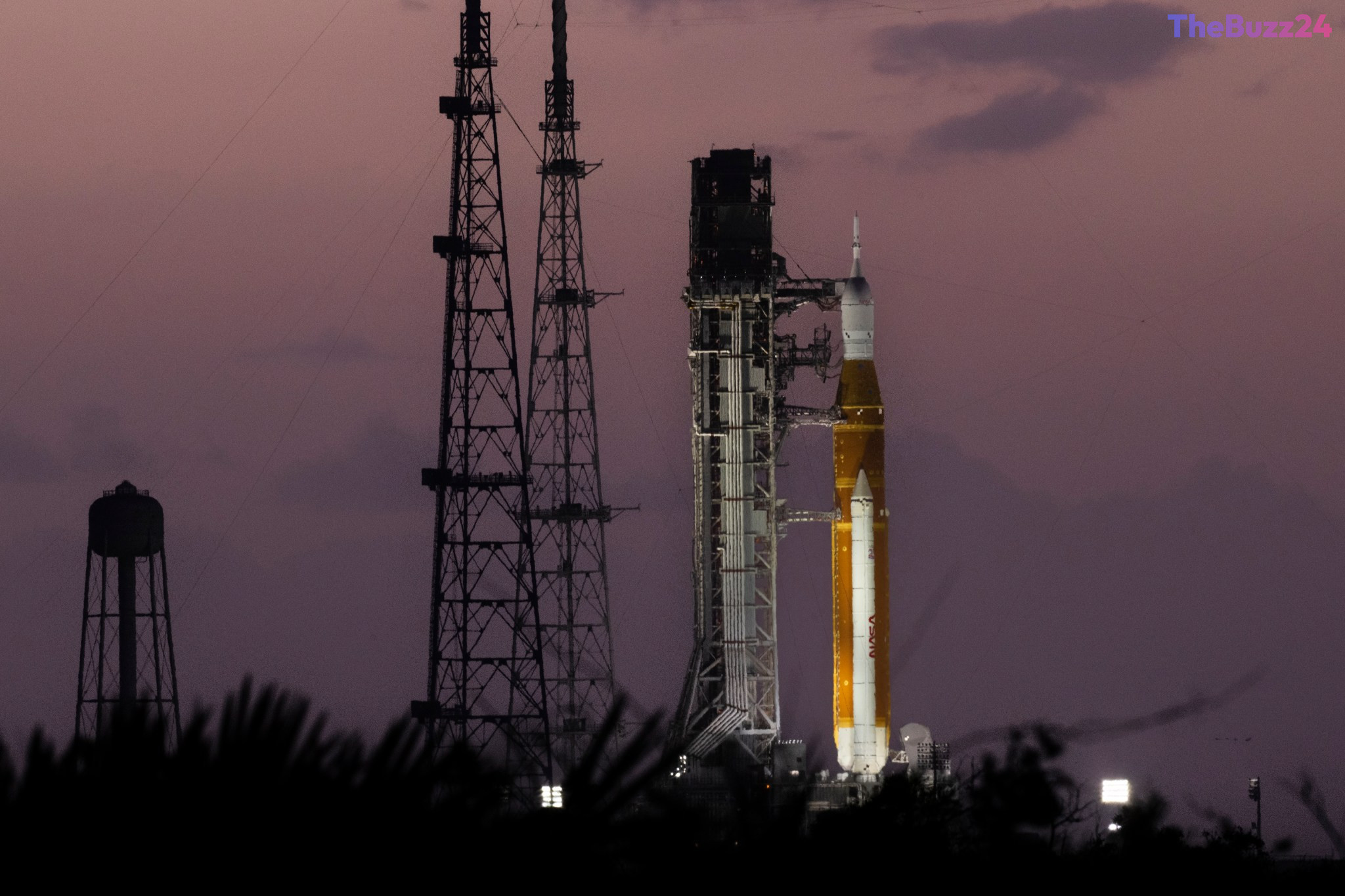
NASA Enhances Artemis III Mission Strategy with Earth-Orbit Precursor Tests
NASA is recalibrating the operational roadmap for the Artemis III mission by integrating a series of crewed tests within Earth orbit. This strategic adjustment serves as a vital precursor to the agency’s objective of returning humans to the lunar South Pole. By executing these maneuvers in low Earth orbit, engineers can rigorously evaluate the intricate rendezvous and docking protocols necessary for the Orion spacecraft to interface with commercial human landing systems, specifically those currently under development by SpaceX and Blue Origin. This additional testing phase is designed to mitigate mission risks for subsequent lunar expeditions, beginning with Artemis IV.
The mission involves a complex logistical framework, requiring the precise synchronization of multiple spacecraft. The Space Launch System (SLS) rocket will transport four astronauts from the Kennedy Space Center, employing a mass-simulator to ensure structural integrity during the ascent. Once in orbit, the Orion spacecraft will establish a stable path, allowing the crew to practice interactions with Starship and Blue Moon lander pathfinders. These exercises may extend to crew members boarding the lander test articles to confirm operational readiness and system compatibility.
In addition to docking demonstrations, the mission will function as an extended trial for Orion’s life support systems and advanced heat shield technology. By increasing the duration of the crew’s time aboard the spacecraft, NASA aims to conduct a comprehensive assessment of its performance in a high-stakes environment. The agency is also collaborating with industry partners to pioneer new ground communication solutions, as the mission will operate outside the traditional parameters of the Deep Space Network.
As the agency finalizes astronaut training and integrates next-generation spacesuit technology, it continues to emphasize a collaborative approach to space exploration. By incorporating secondary objectives such as CubeSat deployment with international and domestic partners, NASA is strengthening the foundation for a sustainable lunar presence. These milestones are considered essential steps in the broader roadmap toward establishing a permanent human foothold on the Moon and eventually launching the first crewed missions to Mars.
Key Takeaways
- NASA is adding a crewed Earth-orbit testing phase to the Artemis III mission to refine docking procedures with commercial landers.
- The mission will serve as a long-duration test for Orion’s life support systems and heat shield technology before attempting lunar landings.
- The agency is developing new communication frameworks and integrating advanced spacesuit technology to support long-term lunar and Mars exploration goals.
Editor’s Analysis & Impact
The decision to incorporate an Earth-orbit testing phase for Artemis III reflects a shift toward risk-averse, incremental engineering in the commercial space era. By prioritizing the validation of docking procedures between Orion and private-sector landers like SpaceX’s Starship, NASA is effectively treating the mission as a ‘dress rehearsal’ for the more hazardous lunar surface operations. This approach not only enhances safety but also signals a deeper reliance on public-private partnerships. The long-term implication is a more modular and sustainable architecture for deep-space travel. If successful, this strategy will likely become the standard for future interplanetary missions, where the ability to troubleshoot complex systems in a controlled, low-orbit environment will be critical for the success of long-duration missions to Mars.
Frequently Asked Questions
Q: Why is NASA adding an Earth-orbit test phase to the Artemis III mission?
A: The test phase is designed to rigorously evaluate docking and rendezvous procedures between the Orion spacecraft and commercial landers, reducing mission risk for future lunar landings.
Q: Which commercial partners are involved in the Artemis landing systems?
A: NASA is working with SpaceX and Blue Origin to develop the human landing systems that will be tested during these orbital maneuvers.
AI Disclosure: This article is based on verified data and official reports. Our Team and AI have cross-referenced every financial detail with primary sources to ensure total accuracy.
More from this Category