Space Station Research Reveals How Pneumonia Triggers Long-Term Heart Damage
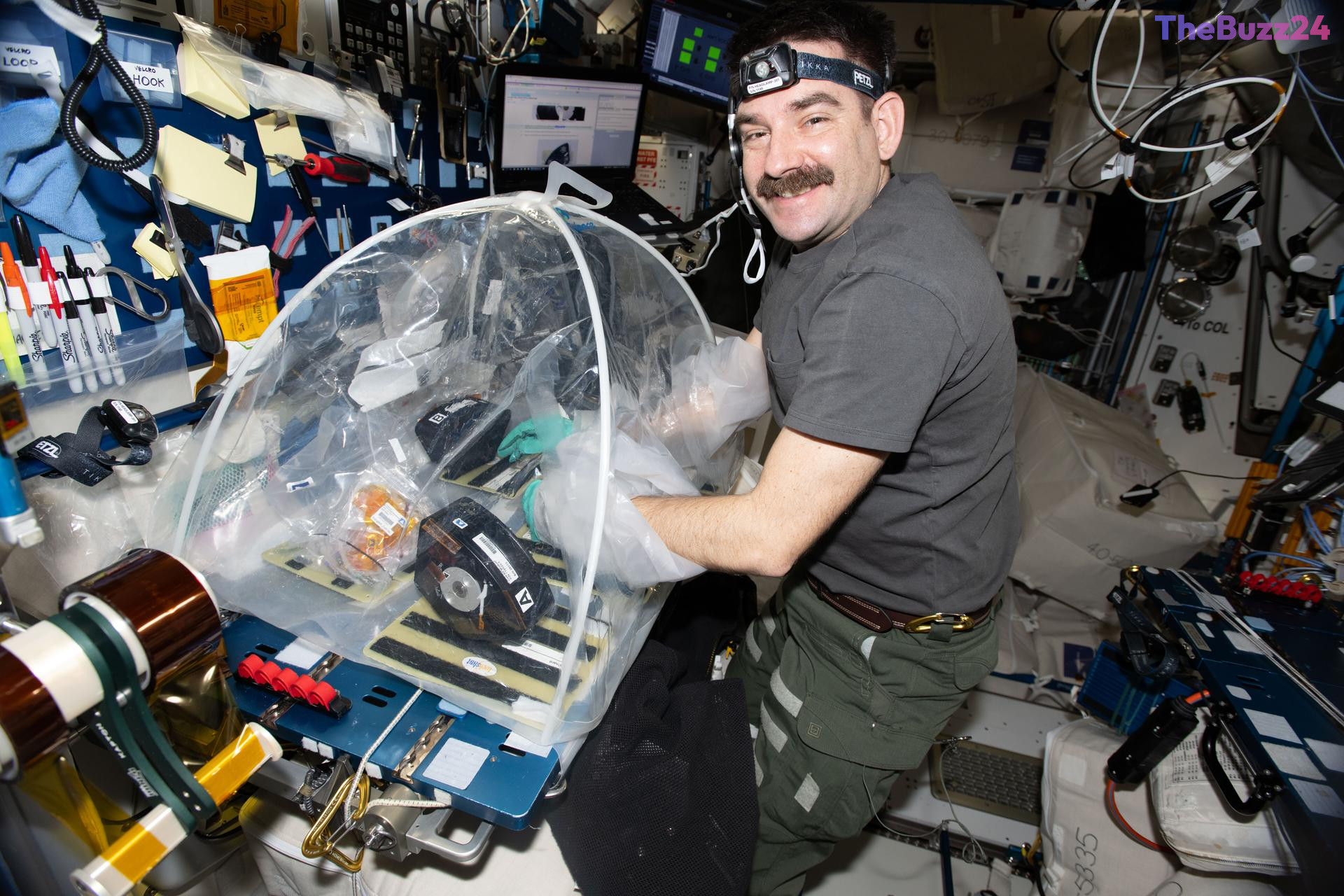
Scientists aboard the International Space Station (ISS) are leveraging the unique environment of microgravity to investigate the dangerous link between pneumonia and permanent cardiovascular damage. The study focuses on Streptococcus pneumoniae, the primary pathogen behind community-acquired pneumonia, and its direct impact on human heart tissue engineered from stem cells. By observing these interactions in space, researchers hope to pioneer new medical interventions that can shield the hearts of patients suffering from severe respiratory infections.
Conducting microbiological research in orbit provides a distinct scientific edge. In microgravity, bacteria frequently display heightened virulence and increased resistance to antimicrobial treatments. This accelerated state of bacterial activity allows researchers to observe cellular damage in a highly pronounced manner that is difficult to replicate on Earth. According to Dr. Palaniappan Sethu, a professor at the University of Alabama at Birmingham, this intensified model of infection makes it far easier to compare healthy and infected tissues, ultimately helping scientists pinpoint the exact biological mechanisms driving bacterial attacks on the heart.
The real-world implications of this research, known as the MVP Cell-09 investigation, are vast. Millions of individuals contract pneumonia globally each year, with a significant portion of hospitalized patients later developing chronic cardiovascular complications even after recovering from the initial lung infection. Beyond improving healthcare outcomes on Earth, the study’s findings are crucial for the future of long-duration space travel. Dr. Carlos J. Orihuela, also from the University of Alabama at Birmingham, highlighted that understanding how pathogens interact with the human body in microgravity is essential for safeguarding astronaut health during deep-space missions.
Key Takeaways
- Researchers on the ISS are studying how Streptococcus pneumoniae damages stem-cell-derived human heart tissue in microgravity.
- Microgravity causes bacteria to become more virulent and drug-resistant, providing a clearer, accelerated model for scientists to observe cellular destruction.
- The findings aim to protect pneumonia patients on Earth from long-term cardiovascular disease and ensure astronaut safety during future deep-space missions.
Editor’s Analysis & Impact
The MVP Cell-09 investigation represents a paradigm shift in how we approach infectious disease research and cardiovascular medicine. By utilizing the extreme environment of low-Earth orbit, scientists are bypassing the limitations of terrestrial laboratories, where bacterial virulence is harder to accelerate safely and observably. This research has profound implications for the pharmaceutical industry, potentially opening the door to a new class of cardioprotective therapeutics designed to be administered alongside standard antibiotics. Furthermore, as commercial spaceflight and long-term lunar and Martian missions transition from concept to reality, understanding microgravity-induced pathogen behavior is no longer just an academic pursuit—it is a critical safety requirement. The convergence of stem cell technology, space exploration, and microbiology demonstrated here highlights the growing value of the space economy in solving some of Earth’s most pressing healthcare challenges.
Frequently Asked Questions
Q: Why is pneumonia research being conducted in space instead of on Earth?
A: In microgravity, bacteria like Streptococcus pneumoniae exhibit increased virulence and drug resistance. This heightened state allows scientists to observe cellular damage and bacterial mechanisms much more clearly and rapidly than is possible under normal Earth gravity.
Q: What is the connection between pneumonia and heart damage?
A: Many patients hospitalized with community-acquired pneumonia experience long-term cardiovascular complications. Even after the respiratory infection is cleared, the pathogen can cause lasting damage to heart tissues, a phenomenon this study aims to understand and prevent.
Q: How does this research benefit future astronauts?
A: As space agencies plan longer missions to the Moon and Mars, understanding how microbes interact with the human body in microgravity is vital for developing medical countermeasures to keep astronauts healthy during extended space travel.
AI Disclosure: This article is based on verified data and official reports. Our Team and AI have cross-referenced every financial detail with primary sources to ensure total accuracy.
More from this Category