NASA-Backed Initiative Transforms STEM Education Across Virginia
A transformative educational initiative is reshaping science instruction throughout Virginia’s Tidewater region by bridging the gap between theoretical classroom learning and real-world environmental research. By fostering a partnership between seven local school districts, community organizations, and NASA-led programs, the project is establishing a comprehensive STEM ecosystem designed to engage students in authentic scientific discovery.
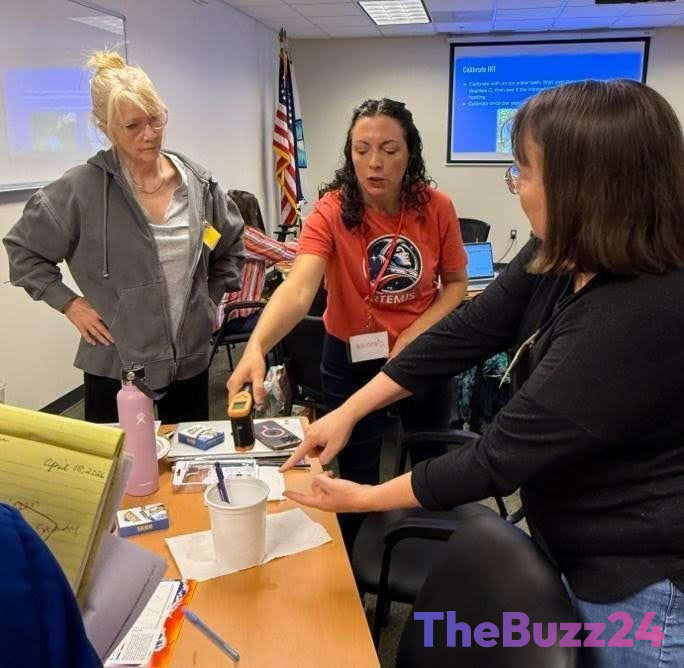
At the core of this effort are the NASA eClips and GLOBE programs, which provide educators with advanced training in Earth Systems science. During recent professional development workshops at the National Institute of Aerospace, teachers participated in intensive, hands-on training sessions. These workshops focused on teaching complex environmental phenomena—such as the urban heat island effect and shifting climate patterns—through practical, data-driven methodologies.
To facilitate this learning, participants were trained to utilize specialized scientific equipment, including soil health kits and infrared thermometers. Furthermore, the integration of the GLOBE Observer app allows both students and teachers to contribute directly to global citizen science databases. This approach shifts the educational paradigm from passive reading to active participation in environmental monitoring.
The initiative is bolstered by the Coastal Virginia STEM Hub and financial support from the Virginia General Assembly, which has provided necessary stipends and equipment. The project also highlights the power of cross-sector collaboration; for example, Career and Technical Education students in Hampton and Norfolk applied their skills to construct custom instrument shelters. This multi-faceted model not only enhances current curriculum but also builds a sustainable framework for future scientific literacy in the region.
Key Takeaways
- Virginia educators are receiving specialized training through NASA-led programs to teach Earth Systems science using real-world data.
- The initiative utilizes the GLOBE Observer app, allowing students to contribute to global citizen science research.
- The project features a unique collaborative model involving local school districts, the Virginia General Assembly, and vocational students who build scientific equipment.
Editor’s Analysis & Impact
This initiative represents a significant shift toward ‘applied science’ in K-12 education, moving away from traditional textbook-heavy models toward experiential learning. By integrating NASA-grade protocols and citizen science tools, the program effectively prepares students for modern STEM careers while simultaneously generating valuable environmental data. The involvement of Career and Technical Education (CTE) students in building infrastructure demonstrates a scalable, cross-disciplinary approach that could serve as a blueprint for other states. As climate-related education becomes increasingly vital, the ability to translate complex atmospheric and soil data into actionable classroom lessons will likely become a standard expectation. The long-term impact of this program will be measured not only by student test scores but by the increased pipeline of local talent entering environmental and engineering fields.
Frequently Asked Questions
Q: What is the primary goal of the NASA-backed STEM initiative in Virginia?
A: The goal is to connect classroom learning with real-world environmental science by providing teachers with advanced training and tools to conduct authentic scientific research.
Q: How are students involved in the data collection process?
A: Students use specialized equipment and the GLOBE Observer app to collect environmental data, such as soil health and atmospheric conditions, which contributes to global citizen science efforts.
AI Disclosure: This article is based on verified data and official reports. Our Team and AI have cross-referenced every financial detail with primary sources to ensure total accuracy.
More from this Category