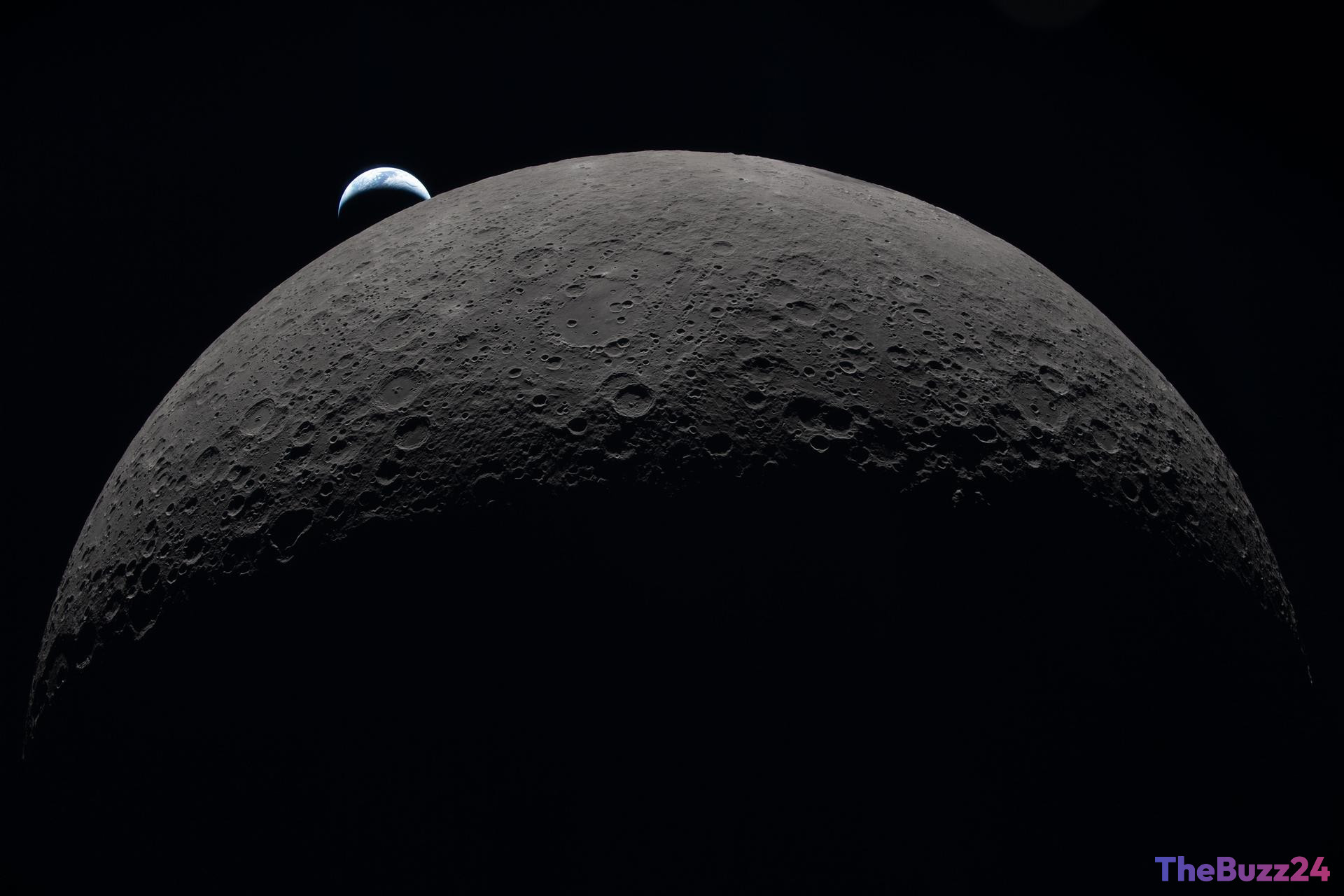
NASA Taps Private Sector to Pioneer Lunar Resource Extraction
In a significant move to facilitate long-term human presence on the Moon and Mars, space officials are prioritizing the development of in-situ resource utilization (ISRU) technologies. This strategic initiative aims to harvest essential raw materials directly from the lunar surface, such as hydrogen and helium-3, which are trapped within lunar regolith. By tapping into these local resources, future space missions can drastically decrease the reliance on Earth-bound supply chains for fuel, energy, and life support systems.
To drive this innovation, a $6.9 million contract has been granted to Seattle-based aerospace firm Interlune. The company is charged with the development and flight-testing of specialized hardware designed to sample lunar soil, sort particulate matter, and extract volatile gases. Central to this effort is an advanced mass spectrometer, which leverages the design principles of the agency’s proven MSOLO instrument. This technology will allow for precise chemical mapping of potential landing sites, ensuring that future missions have reliable data regarding resource availability before initiating large-scale extraction.
This collaboration highlights a successful shift in space policy, moving government-developed technology into the hands of private industry. By utilizing the proven durability of the MSOLO platform, Interlune is integrating high-performance computing and automated calibration systems to withstand the extreme conditions of the lunar environment. These advancements are not only intended for national exploration goals but are also designed to be scalable for commercial use.
Ultimately, the program seeks to build a sustainable infrastructure for deep space operations. By encouraging startups and small businesses to commercialize space-ready hardware, the initiative aims to reduce the overall cost and complexity of lunar travel. As these prospecting tools become more sophisticated, they are expected to become standard equipment on commercial landers, serving as the foundation for a permanent human footprint on the Moon.
Key Takeaways
- NASA has awarded a $6.9 million contract to Interlune to develop lunar soil sampling and resource extraction technology.
- The initiative focuses on in-situ resource utilization (ISRU) to harvest hydrogen and helium-3, reducing the need for supplies from Earth.
- The project aims to foster a commercial space marketplace by transitioning government-developed mass spectrometry technology to the private sector.
Editor’s Analysis & Impact
The partnership between NASA and Interlune marks a pivotal shift toward the ‘industrialization’ of the Moon. By outsourcing the development of resource-harvesting hardware, the agency is effectively de-risking the supply chain for deep space exploration. This move signals a broader industry trend where space agencies act as anchor customers for private startups, thereby stimulating a new lunar economy. If successful, the ability to extract fuel and life-sustaining elements on-site will fundamentally change the economics of space travel, transforming the Moon from a destination into a refueling hub. This transition is likely to attract significant venture capital interest in space-mining startups, potentially accelerating the timeline for a permanent human presence in cislunar space and beyond.
Frequently Asked Questions
Q: What is in-situ resource utilization (ISRU)?
A: ISRU refers to the practice of collecting, processing, and using materials found on other celestial bodies, such as the Moon or Mars, to support human exploration and reduce the need to transport supplies from Earth.
Q: Why is the MSOLO instrument important to this project?
A: The MSOLO instrument is a proven, durable mass spectrometer developed by the government. Its design serves as the technological foundation for Interlune’s new prospecting tools, ensuring they can provide accurate chemical analysis in the harsh lunar environment.
AI Disclosure: This article is based on verified data and official reports. Our Team and AI have cross-referenced every financial detail with primary sources to ensure total accuracy.
More from this Category