NASA Invites Digital Creators to Witness Historic Roman Space Telescope Launch
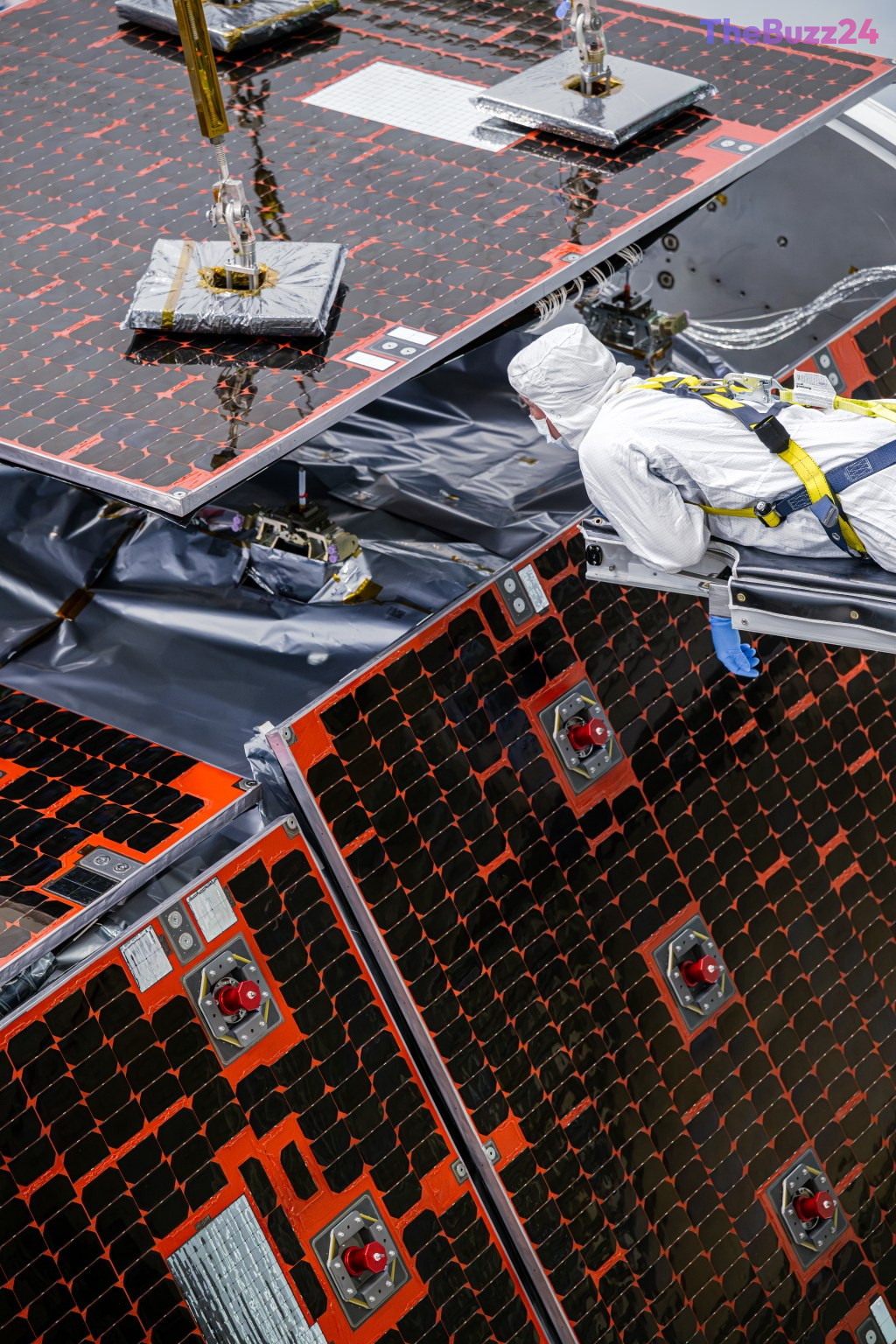
NASA is preparing for a monumental step in astrophysics with the scheduled launch of the Nancy Grace Roman Space Telescope on August 30, 2026. This next-generation observatory, set to embark on its journey aboard a SpaceX Falcon Heavy rocket from Launch Complex 39A at NASA’s Kennedy Space Center in Florida, promises to unlock new insights into the universe’s most profound mysteries.
The Roman Space Telescope is poised to become a cornerstone of cosmic exploration, designed to investigate distant worlds, unravel the enigma of dark energy, and map the intricate structure of the cosmos. Its advanced capabilities are expected to provide an unprecedented view, pushing the boundaries of our understanding from the outer reaches of our solar system to the very edge of the observable universe.
To mark this significant event, NASA is extending a unique invitation to digital creators and active social media users to participate in a special two-day “NASA Social” event. Up to 50 selected participants will gain exclusive access, similar to news media, offering an unparalleled opportunity to tour Kennedy Space Center, engage directly with astrophysics experts, connect with fellow creators, and witness the awe-inspiring launch firsthand. Registration for this unique experience is open for a limited period, with applicants selected based on their active engagement and reach across digital platforms.
This initiative underscores NASA’s commitment not only to scientific discovery but also to fostering public engagement and inspiring a new generation of space enthusiasts through direct, immersive experiences. Participants will be responsible for their own travel and accommodation, with the understanding that launch schedules are subject to change.
Key Takeaways
- NASA's Nancy Grace Roman Space Telescope is scheduled for launch on August 30, 2026, utilizing a SpaceX Falcon Heavy rocket.
- The mission aims to revolutionize our understanding of distant worlds, dark energy, and the universe's structure as NASA's next flagship astrophysics endeavor.
- NASA is hosting a "NASA Social" event, inviting up to 50 digital creators and social media users for exclusive access to witness the launch at Kennedy Space Center.
Editor’s Analysis & Impact
The upcoming launch of the Nancy Grace Roman Space Telescope signifies a pivotal moment for astrophysics and space exploration. Its wide-field imaging capabilities are anticipated to deliver groundbreaking data on exoplanets, dark energy, and cosmic evolution, potentially redefining current cosmological models. This mission’s scientific output will undoubtedly fuel numerous research initiatives and discoveries for decades. Furthermore, NASA’s strategic decision to engage digital creators through the “NASA Social” program reflects a forward-thinking approach to science communication. By leveraging social media, NASA not only broadens the mission’s reach and public understanding but also cultivates a new generation of advocates and enthusiasts, ensuring a wider societal impact beyond its scientific returns.
Frequently Asked Questions
Q: What is the primary mission of the Nancy Grace Roman Space Telescope?
A: The Roman Space Telescope is designed to explore distant worlds, investigate dark energy, and map the structure of the cosmos, making it NASA's next flagship astrophysics mission.
Q: When and where is the Roman Space Telescope scheduled to launch?
A: The telescope is scheduled to launch on August 30, 2026, from Launch Complex 39A at NASA’s Kennedy Space Center in Florida, utilizing a SpaceX Falcon Heavy rocket.
Q: What is the "NASA Social" event for the Roman Space Telescope launch?
A: The "NASA Social" is an exclusive two-day event inviting up to 50 digital creators and social media users to experience the launch firsthand, including tours of Kennedy Space Center, interactions with experts, and a direct view of the liftoff.
AI Disclosure: This article is based on verified data and official reports. Our Team and AI have cross-referenced every financial detail with primary sources to ensure total accuracy.
More from this Category