NASA Opens Recruitment for Next Generation of Lunar and Martian Explorers
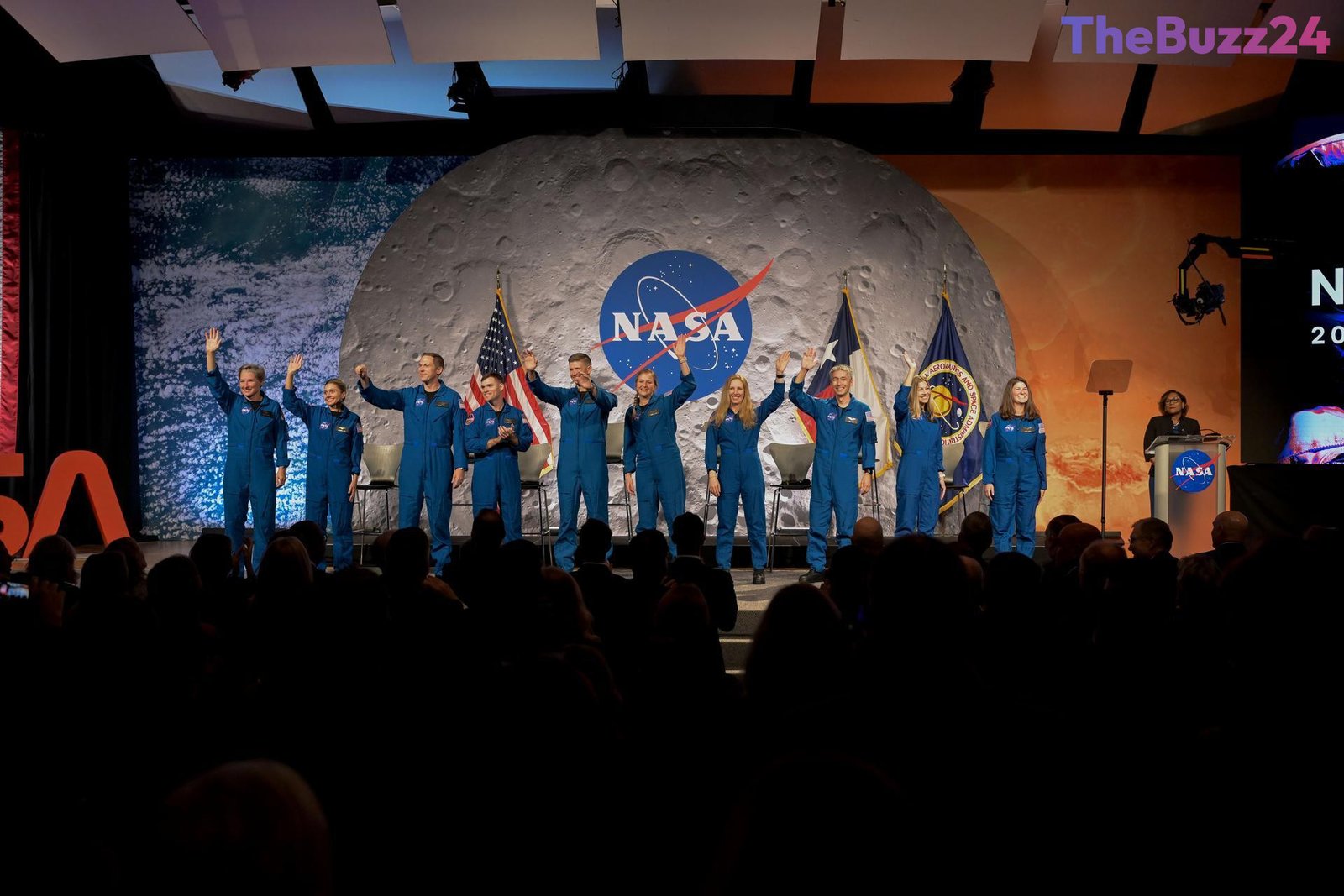
NASA has officially launched its search for the next class of astronaut candidates, inviting qualified U.S. citizens to apply for a role in the future of human space exploration. This recruitment drive aims to identify individuals who will support the agency’s ambitious goals, including long-term lunar habitation and the eventual first crewed missions to Mars. Selected candidates will join a storied legacy of explorers tasked with pushing the boundaries of scientific discovery and technical operations beyond Earth’s orbit.
Prospective applicants have until December 3, 2026, to submit their materials. The agency is seeking individuals who possess not only technical excellence in STEM fields but also the leadership, teamwork, and communication skills necessary for high-stakes, long-duration spaceflight. Candidates must hold a master’s degree in a relevant technical field or meet specific medical or pilot-in-command flight hour requirements. Those selected will undergo rigorous training in areas such as lunar geology, spacewalking, and high-performance aircraft operations.
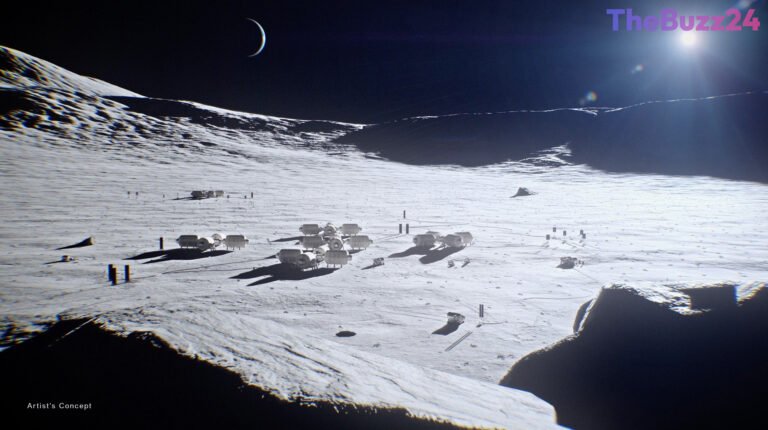
This initiative comes as the agency accelerates its efforts to establish a permanent presence on the Moon. By leveraging the Artemis program, the next generation of astronauts will play a pivotal role in developing the infrastructure required for deep-space travel. NASA expects to finalize its selection process by late 2027, with the new class beginning their training shortly thereafter to prepare for missions that will define the next era of humanity’s expansion into the solar system.
Key Takeaways
- NASA is accepting applications for its next astronaut candidate class until December 3, 2026.
- Applicants must hold a master's degree in a STEM field or meet specific medical/pilot experience requirements.
- The new class will focus on lunar exploration and preparing for future crewed missions to Mars.
Editor’s Analysis & Impact
The opening of a new astronaut recruitment cycle signals a critical phase in the ‘Artemis’ era of space exploration. As NASA shifts from short-term orbital missions to long-duration lunar surface operations, the demand for a diverse and highly specialized workforce has never been higher. This recruitment drive reflects the broader industry trend of transitioning toward sustainable, multi-planetary infrastructure. The emphasis on STEM qualifications and operational experience highlights the agency’s need for a workforce capable of managing complex, autonomous systems in extreme environments. Looking forward, the success of these missions will likely catalyze further private-sector partnerships, as the commercial space industry continues to align its objectives with government-led deep-space exploration goals. The selection of this class will be a bellwether for the agency’s readiness to tackle the logistical and physiological challenges of a Mars mission.
Frequently Asked Questions
Q: What are the basic educational requirements to become a NASA astronaut?
A: Applicants must possess a master's degree in a STEM field, such as engineering, biological science, physical science, computer science, or mathematics. Equivalent experience, such as two years of doctoral work or a medical degree, may also be accepted.
Q: When is the deadline to apply for the current astronaut candidate class?
A: The deadline for submitting completed application materials is 11:59 p.m. EST on Thursday, December 3, 2026.
AI Disclosure: This article is based on verified data and official reports. Our Team and AI have cross-referenced every financial detail with primary sources to ensure total accuracy.
More from this Category