NASA’s AVATAR Challenge: Crafting Digital Twins for Astronaut Health in Deep Space
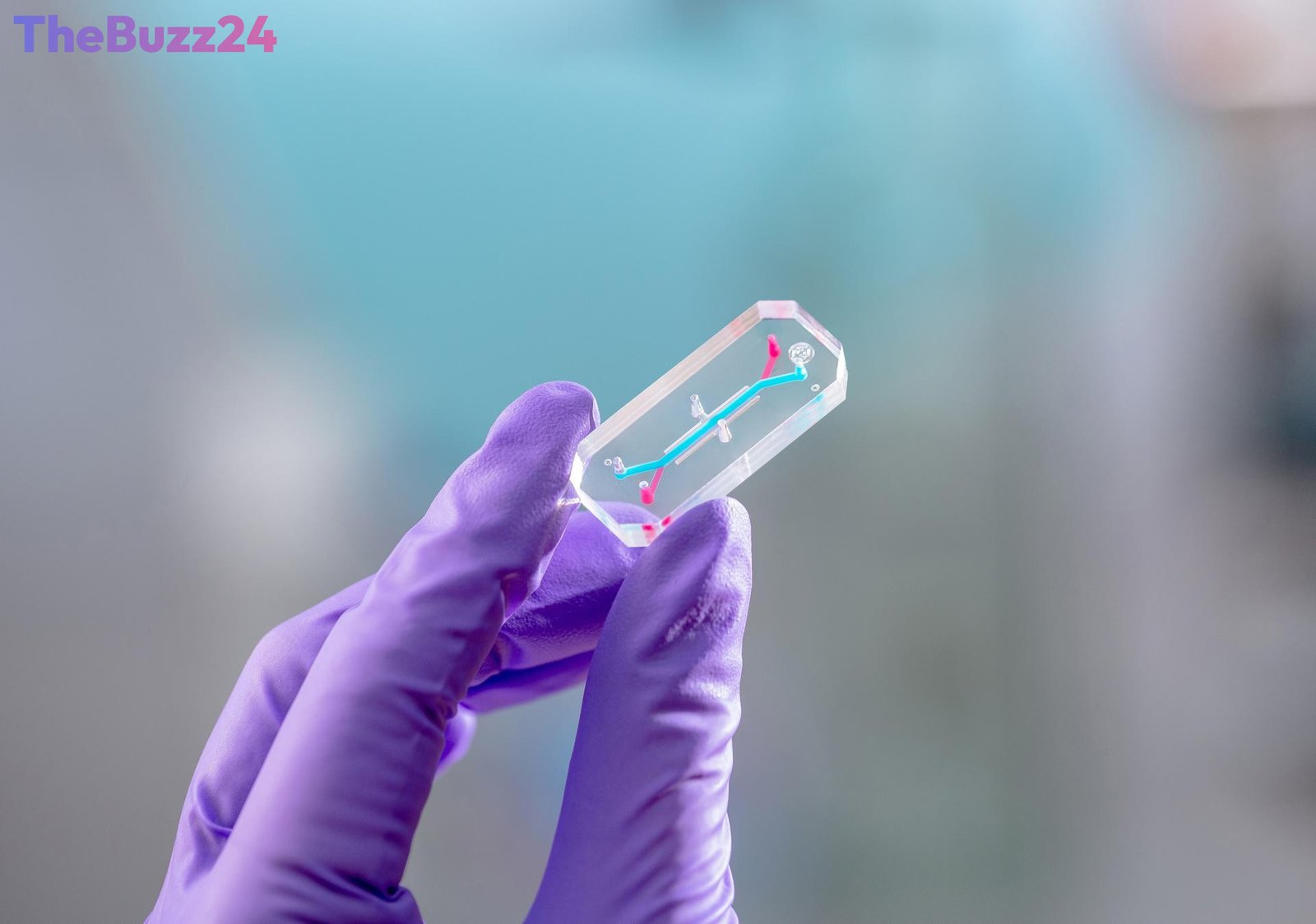
NASA is pushing the boundaries of space exploration health with its BPS Digital AVATAR Challenge, inviting scientists to develop advanced computational models for predicting astronaut well-being during long-duration missions. This initiative leverages cutting-edge “organ-on-a-chip” technology, known as organ chips, to simulate the effects of space’s unique stressors, such as increased radiation and microgravity, on human physiology.
The AVATAR (A Virtual Astronaut Tissue Analog Response) investigation represents a significant step forward. The initial phase, which flew aboard the Artemis II mission, successfully utilized organ chips created from the cells of actual crew members. These chips, derived from individuals who completed a 10-day lunar flyby, provided crucial personalized biological insights. This data is instrumental in refining medical kits and developing effective countermeasures for future deep space journeys, aiming to protect astronauts with tailored health strategies.
The core of the Digital AVATAR Challenge lies in the creation of “digital twins” – sophisticated computational models of individual astronauts. These models will integrate a wide array of data, including environmental factors, physiological responses, and multi-omics information, to predict how a specific person will react to the rigors of spaceflight. The challenge specifically calls for frameworks capable of processing diverse datasets and employing advanced computational biology methods to generate these personalized, predictive models, focusing on immune and bone marrow hematopoietic responses.
This ambitious project seeks to accelerate biological discovery and biochemical modeling, ultimately enhancing the safety and efficacy of human space exploration. The challenge offers a total of $150,000 in prizes, with registration opening on November 16, 2026, and submissions due by February 12, 2027. Participants are encouraged to visit the official challenge website for detailed information on rules and eligibility.
Key Takeaways
- NASA's AVATAR Challenge aims to create digital twins of astronauts using organ-on-a-chip technology to predict health responses to spaceflight.
- The initiative seeks to develop personalized health strategies and medical countermeasures for long-duration deep space missions.
- The challenge invites the scientific community to develop computational models with a total prize pool of $150,000.
Editor’s Analysis & Impact
The BPS Digital AVATAR Challenge underscores NASA’s commitment to pioneering personalized medicine for space exploration. By integrating advanced organ-on-a-chip technology with sophisticated digital twin modeling, the agency is laying the groundwork for safeguarding astronaut health on increasingly ambitious missions. This approach not only addresses the unique challenges of microgravity and radiation but also has significant implications for terrestrial healthcare, potentially leading to more precise diagnostics and treatments for various diseases on Earth. The success of this challenge could revolutionize how we approach human health in extreme environments and beyond.
Frequently Asked Questions
Q: What is the AVATAR investigation?
A: AVATAR stands for A Virtual Astronaut Tissue Analog Response. It is a NASA investigation that uses organ-on-a-chip devices to study the effects of spaceflight stressors like radiation and microgravity on human health, aiming to create personalized health strategies for astronauts.
Q: What is a 'digital twin' in the context of the AVATAR Challenge?
A: A digital twin, in this context, is a computational model of an individual astronaut's physiology. It integrates various data inputs to simulate and predict how that specific person will respond to the stresses of spaceflight, allowing for tailored health predictions and interventions.
Q: What are the deadlines for the BPS Digital AVATAR Challenge?
A: Registration for the challenge opens on November 16, 2026, and the submission deadline for proposals is February 12, 2027.
AI Disclosure: This article is based on verified data and official reports. Our Team and AI have cross-referenced every financial detail with primary sources to ensure total accuracy.
More from this Category